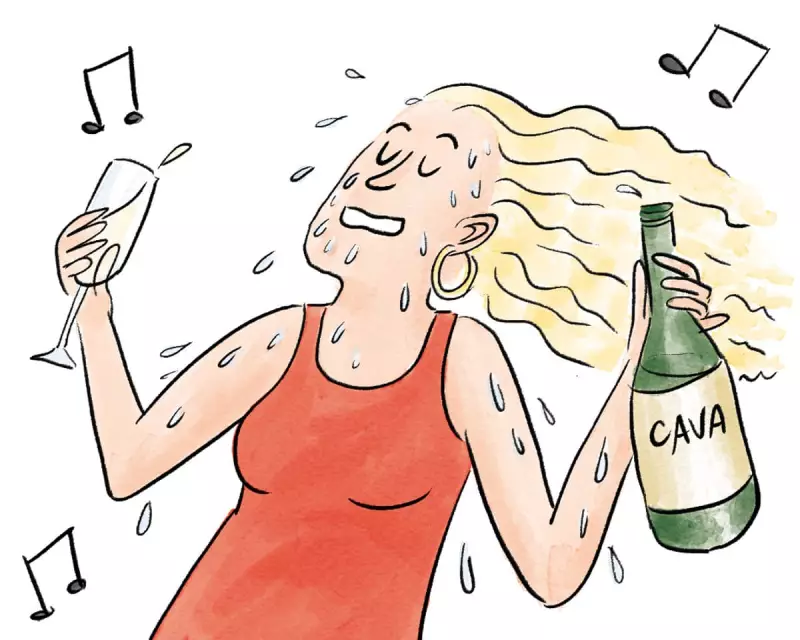
If you've ever been tempted to 'sweat out' the effects of a heavy night with a punishing gym session or a long sauna, science has some sobering news. Despite the popular belief, you cannot eliminate the toxins from alcohol through perspiration, according to anatomical experts.
The Liver's Job, Not Your Skin's
Professor Adam Taylor, an anatomy expert at Lancaster Medical School, clarifies that the body rids itself of alcohol's byproducts through the liver, not the skin. The term 'toxins' encompasses a wide range of harmful substances, from environmental chemicals to metabolic waste. The liver is specifically designed to process the compounds in alcohol, breaking them down or preparing them for excretion.
This waste is then filtered from the bloodstream and expelled from the body through urine or stools. Sweat, however, has a completely different primary function: regulating body temperature. While it can contain trace amounts of metabolic byproducts, it is not a meaningful route for detoxification.
Why the Sweat Myth Persists
So, if sweating doesn't detoxify, why does a post-drinking workout often feel beneficial? The answer lies in symptom management, not toxin removal. Both exercise and sauna use are known to boost endorphins, the body's natural mood-lifting chemicals, and can reduce cortisol levels, which are often elevated and contribute to feelings of anxiety.
These activities also improve circulation, help relax tense muscles, and stimulate the parasympathetic nervous system, which governs 'rest and digest' functions. This combination can make the unpleasant symptoms of a hangover feel more manageable, creating the illusion of a faster recovery.
The Fixed Rate of Metabolism and Hydration Warning
Crucially, Professor Taylor states there is no proven method to speed up the body's detoxification process. Each individual metabolises alcohol at a relatively fixed rate, which cannot be accelerated by sweating.
He also issues an important warning for those who do choose to exercise while hungover: prioritise hydration. "Alcohol depletes water from the body, and sweating increases fluid loss, raising the risk of dehydration and tissue inflammation," he explains. Replenishing lost fluids is therefore essential to avoid compounding the physical stress caused by alcohol.
In summary, while a brisk walk or gentle movement may help you feel better by addressing symptoms, the core task of processing alcohol remains the sole responsibility of your liver. The notion of sweating out a hangover is, definitively, a biological myth.