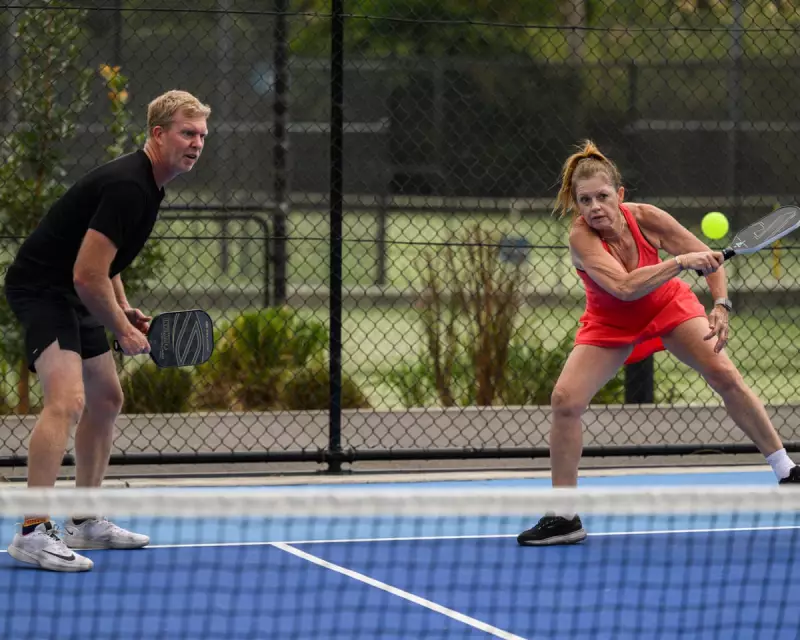
In a powerful rebuttal to concerns about exercise risks for older adults, a leading physiotherapist has declared that activities like pickleball are not a danger, but essential medicine.
The Real Health Crisis Isn't Overexercising
Christien Bird, a pelvic health physiotherapist and co-founder of Menopause Movement, addresses a 2020 study highlighting that 91% of pickleball injuries involved people aged over 50. She counters this statistic with a crucial point: the majority of pickleball players are in that age demographic.
"I'd rather see active, smiling people with the odd strain than a generation glued to the sofa," Bird states emphatically. She identifies the real public health emergency as physical inactivity, not the minor injuries that can occur from being active.
Fitness as the Ultimate Predictor of Health
Bird underscores a vital message for long-term wellbeing. Fitness is the biggest predictor of long-term health and independence, a fact that becomes increasingly important with age.
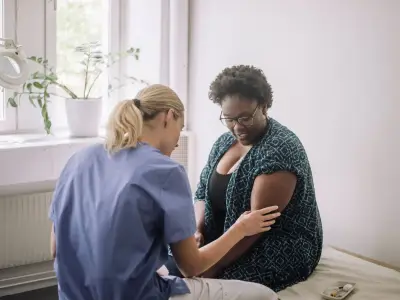
She highlights a specific concern for women, pointing out that they face an accelerated loss of bone and muscle through menopause. Yet, there is a strong desire to be more active, with 84% of inactive menopausal women wanting to be more active, and 90% willing to get active if advised by a professional.
The physiotherapist challenges a pervasive societal attitude that accepts frailty in older women as inevitable. "There is still a societal acceptance that it is OK to be a fragile older lady behind a Zimmer frame with no bum in her trousers," she notes, arguing against this narrative.
Joyful Movement is Preventative Medicine
So, what is the solution? Bird advocates for a proactive approach to health. Supervised strength training and joyful movement aren't risks, they're medicine.
Whether it's pickleball, hiking, or dancing, the key is to find activities that build confidence and maintain strength. The core of her argument is a compelling conclusion: Injuries we can manage, frailty we can't.
By encouraging older adults to stay active through enjoyable sports, we can combat the far greater threat of age-related fragility and ensure a healthier, more independent future for all.