For journalist Shadi Khan Saif, public swimming pools and their steamy saunas have become far more than places to exercise. They have served as vital cultural refuges and anchors of community throughout a life spent moving across continents, from a bewildering first trip to Bonn, Germany, to a new home in Melbourne, Australia.
From Bonn to Melbourne: A Lifeline in Steam and Water
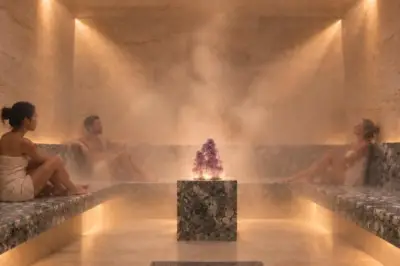
The journey began over a decade ago in the freezing German city of Bonn. Facing intense culture shock, Saif found an unexpected sanctuary after a hostel receptionist recommended the sauna. It became a nightly ritual, a place to sit quietly and absorb the rhythms of strangers unwinding, even with only basic German language skills.
The experience transformed when two fellow Afghan students arrived. Suddenly, the sauna became a space for their own little gang to laugh, gossip, and talk freely, forging a profound sense of home and slowing time.
Years later, after a career in journalism spanning Afghanistan, Pakistan, and Germany, Saif landed in Melbourne. Captivated by the grand exterior of the Melbourne City Baths on Swanston Street, he stepped inside expecting a quiet relic. Instead, he discovered a buzzing indoor aquatic centre pulsing with community life.
The Pool as a Community Glue in Australian Suburbs
Saif, who describes himself as not a stereotypical gym enthusiast, found that late-night workouts and regular sauna sessions provided crucial physical and mental support. More significantly, they helped him connect to new communities.
He discovered that affordable local pools are scattered across Melbourne, particularly in the suburbs. His local centre in the south-eastern suburbs acts as a social glue, especially the sauna. While saunas and gyms cater largely to adults, he observes that the public pools themselves belong to children, families, and the wider community.
This was vividly illustrated during a scorching Australian summer, when his children's favourite hangout became the local wave pool. Their wide-eyed amazement at the vast, robust community gathered there – "So many people live here," they told him – underscored the pool's role as a social hub.
The Quiet Magic of Shared, Phone-Free Spaces
What ties these experiences together, from Bonn to Melbourne, is the unique magic of shared public spaces where digital distractions fade. In the sauna rooms, men and women sit side by side, engaged in deep, uninterrupted conversations about everything from housing affordability and travel plans to aching knees and weekend barbecues.
This creates a warm, communal feeling of belonging, a stark contrast to the often-alienating experience of sitting shoulder-to-shoulder with strangers in a shopping centre food court. The cultural diversity within these spaces is extraordinary, with accents mingling and stories drifting across generations and borders without anyone asking what you do for a living.
For Saif, these pools are cultural refuges – small, steamy worlds where conversations survive, muscles recover, and minds reset. They welcome students, tradies, retirees, and weary office workers alike. The experience serves as a powerful reminder that true wellness extends beyond physical fitness. It is about consciously carving out moments of calm, community, and simple joy in a world that rarely slows down.