How Long Should You Hold a Plank? Age-Based Guidelines Revealed
Alongside burpees and split squats, the plank stands as one of those universally challenging exercises that few genuinely enjoy. No matter your fitness level, holding that horizontal position can feel like an eternity, with seconds stretching into hours as your body trembles and your mind pleads for relief. Yet, despite its notorious difficulty, this core-strengthening movement remains undeniably effective for building stability and endurance.
The Record-Breaking Plank and Realistic Expectations
The current world record for the longest plank was set by Josef Šalek from the Czech Republic in May 2023, achieving an astonishing 9 hours and 38 minutes—roughly an hour longer than a flight from London to New York. While this feat might make your muscles ache just thinking about it, the average person certainly doesn't need to endure such marathon sessions. According to Rowan Clift, a training and nutrition specialist at Freeletics, the exercise emphasises quality over quantity.
However, fitness professionals have established practical parameters based on age, offering useful benchmarks for your next workout session. These guidelines help assess core endurance while ensuring proper form remains the priority.
Age-Specific Plank Duration Targets
Ages 20-39: 45-60 Seconds
Joseph Webb, a personal trainer with 17 years of industry experience, explains: "In your 20s and 30s, being able to plank for 45-60 seconds is a solid marker of good core endurance." He emphasises that the purpose isn't to chase arbitrary numbers but to develop functional core stability that supports activities beyond the gym.
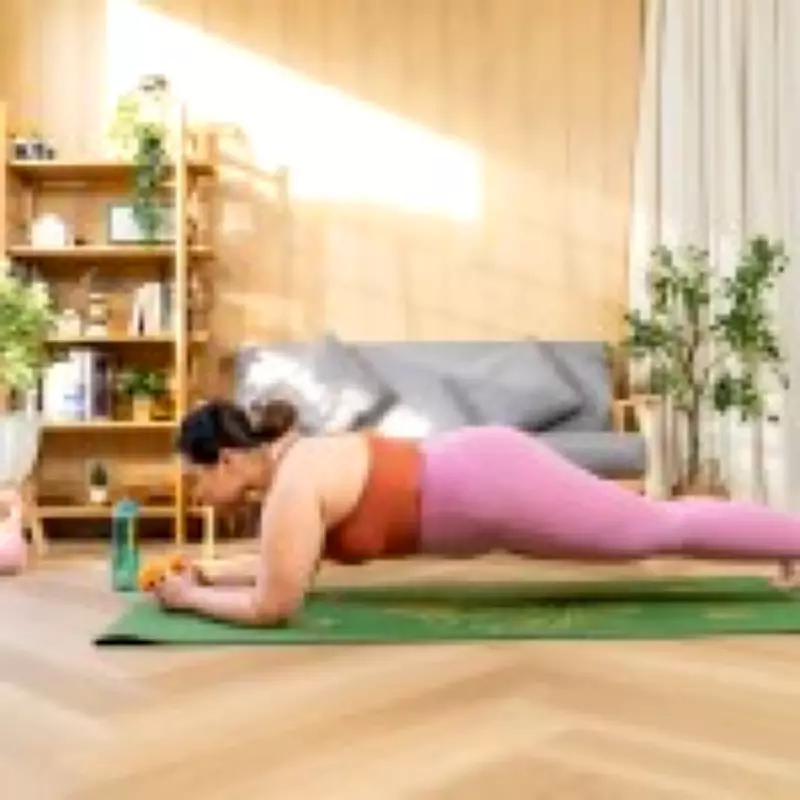
To achieve proper form:
- Position yourself parallel to the ground using forearms and toes
- Keep your back and legs straight without arching
- Maintain hips level with shoulders
- Engage glutes and thighs while keeping a natural neck position
- Brace abdominals as if preparing for impact, but maintain fluid breathing
Webb warns that sagging hips, flared ribs, or strained shoulders indicate improper form, meaning you're not effectively training the intended muscles.
Ages 40-59: 30-45 Seconds
Based on experience with hundreds of clients in this age range, Webb notes that maintaining a 30-45 second plank with excellent form demonstrates respectable endurance and trunk stability. "If you can confidently reach 60 seconds, that generally signals excellent core control for this age group," he adds.
However, mastering the technique can become more challenging with age due to factors like muscle mass reduction and strength decline. "As muscles around the hips, pelvis, and spine weaken or become less coordinated, stabilising the plank position requires more effort," Webb explains. Joint stiffness or previous injuries may also make maintaining rigidity more difficult.
Age 60+: 15-30 Seconds
For clients aged 60 and over, Webb advises aiming for 15-30 seconds of a full plank with good form. "Building up to 30 seconds represents an excellent marker of strong functional core endurance at this life stage," he states.
Rowan Clift suggests modifications for those finding standard planks challenging:
- Plank on knees to reduce pressure on wrists, shoulders, and lower back
- Elevate hands on a bench to decrease load while still engaging core muscles
Alternative Core Exercises
For individuals who find planks too demanding, especially those aged 60+, Webb recommends several effective alternatives:
- Incline Plank: Place hands on a bench or countertop to reduce load while maintaining core engagement
- Kneeling Plank: Drop to knees to decrease leverage demands while keeping core braced
- Bird-Dog Exercise: On all fours, extend opposite arm and leg while maintaining trunk stability—excellent for core, hips, and back
Training Frequency and Safety Considerations
Clift recommends incorporating planks into your workout regime three to five times weekly. "Your core benefits from regular activation, but you need adequate rest and recovery time," he explains. While daily planking can be acceptable with varied intensity and duration, he advises taking at least one rest day if experiencing fatigue or tightness.
Important warning signs to watch for include:
- Excessive shaking or breath-holding
- Pain in lower back or shoulders
- Sagging hips indicating form breakdown
"These signals suggest muscles have fatigued and your technique is compromised," Clift emphasises.
The Ultimate Goal: Functional Core Stability
Webb reiterates the fundamental purpose of planking: "The question isn't about duration alone, but whether your core performs effectively when needed—whether running, lifting, or simply moving well in daily life." By focusing on proper form and age-appropriate targets, you can develop core stability that genuinely supports your lifestyle and fitness aspirations.