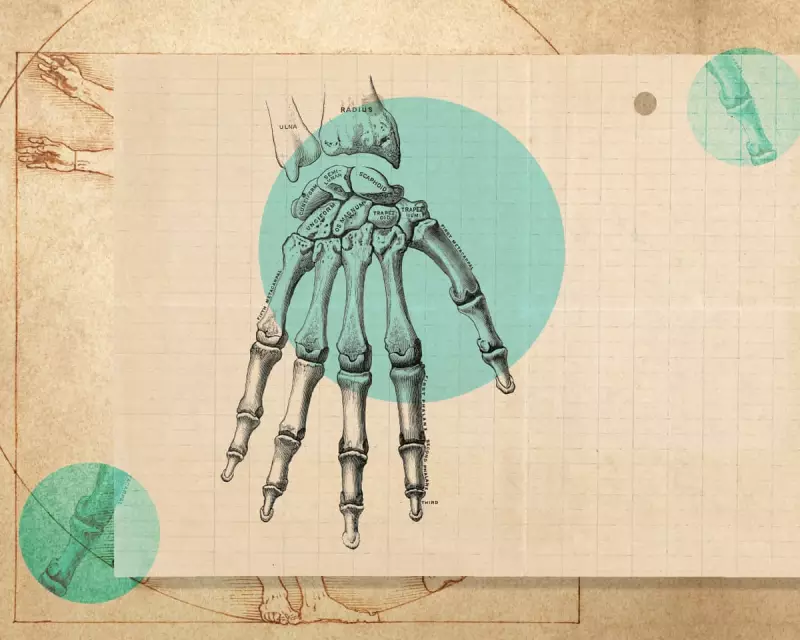
The Delicate Complexity of Wrist Anatomy
Wrists represent one of the most intricate and sophisticated structures in the human body, combining remarkable flexibility with precise control. This complex arrangement of bones, ligaments, and tendons enables everything from delicate neurosurgical procedures to powerful handstands, yet this very complexity makes them vulnerable to various injuries and conditions.
According to Brigette Evans, an occupational therapist at Bathurst Hand Therapy, "The wrist is such a complex little area" that has evolved to provide an extraordinary range of movement while supporting fine motor control. This delicate balance between flexibility and strength makes proper wrist care essential for maintaining hand function throughout life.
Understanding Common Wrist Injuries
During summer months particularly, wrist injuries become more prevalent as enthusiastic parents and grandparents attempt to demonstrate new scooters or bicycles, often forgetting that gravity becomes less forgiving with age. The resulting falls frequently lead to what therapists call "fall on an outstretched hand" injuries, where the wrist absorbs significant impact as people instinctively extend their arms to protect their body and head.
Evans explains that the wrist contains eight small carpal bones that form the axis of the joint, connecting to the radius and ulna forearm bones, which then join with the hand's metacarpal bones. This entire structure is held together by ligaments and interwoven with tendons connecting hand and arm muscles to bones, creating multiple potential points of vulnerability.
Repetitive Strain and Common Conditions
One frequently encountered wrist problem is De Quervain tenosynovitis, often referred to as "mother's thumb" according to physiotherapist Nicola Wheeler from Bondi Junction Hand Therapy. This condition commonly affects new parents and grandparents due to repetitive lifting positions and feeding postures, though it also appears with excessive scrolling or computer use.
Wheeler describes how repetitive movements or sustained positions can irritate and inflame the two tendons connecting arm muscles to thumb bones. "Once they're inflamed and thick, as they're gliding through a tunnel, they get caught, creating friction that causes more inflammation", establishing a painful cycle. The solution involves modifying movements to reduce tendon load through different lifting techniques and proper support during feeding.
Proper Lifting Techniques and Wrist Protection
Maintaining wrist health focuses less on strengthening and more on careful usage, Wheeler emphasizes. "In many situations, we're trying to minimise wrist movement and actually train people to keep it very straight and stable, particularly when handling loads". This approach mirrors safe lifting advice for back protection, encouraging people to use larger load-bearing joints and muscles like arms and shoulders rather than relying on delicate wrist movements.
Evans notes that midwives and nurses now teach new parents modified lifting techniques to protect their wrists, along with using pillows to support babies during feeding, preventing wrists from bearing weight at awkward angles.
Carpal Tunnel Syndrome Prevention
Perhaps the most widely recognized wrist condition, carpal tunnel syndrome manifests as tingling, numbness, or weakness in the thumb and first two fingers. This occurs when the median nerve becomes compressed as it passes through the wrist's carpal tunnel, often resulting from prolonged forward bending during sleep or poor positioning during computer use.
Wheeler explains that "If it's been like that all night, it's common either to wake up through the night or in the morning with numbness and tingling". Resting wrists on hard surfaces for extended periods can similarly contribute to nerve compression and discomfort.
Maintaining Wrist Flexibility and Health
Keeping wrists limber through regular movement breaks represents a crucial preventive measure. Evans recommends "getting up and moving your wrists in all the different directions they comfortably go in, avoiding prolonged positions". For morning stiffness, gentle heat application can significantly improve comfort and mobility.
Breaking up computer work with simple stretches and rotations helps maintain circulation and prevents stiffness, while proper ergonomic setup reduces strain during extended work periods. These preventive measures, combined with sensible activity choices—perhaps avoiding that tempting test ride on children's scooters—can help preserve wrist health and function throughout life.