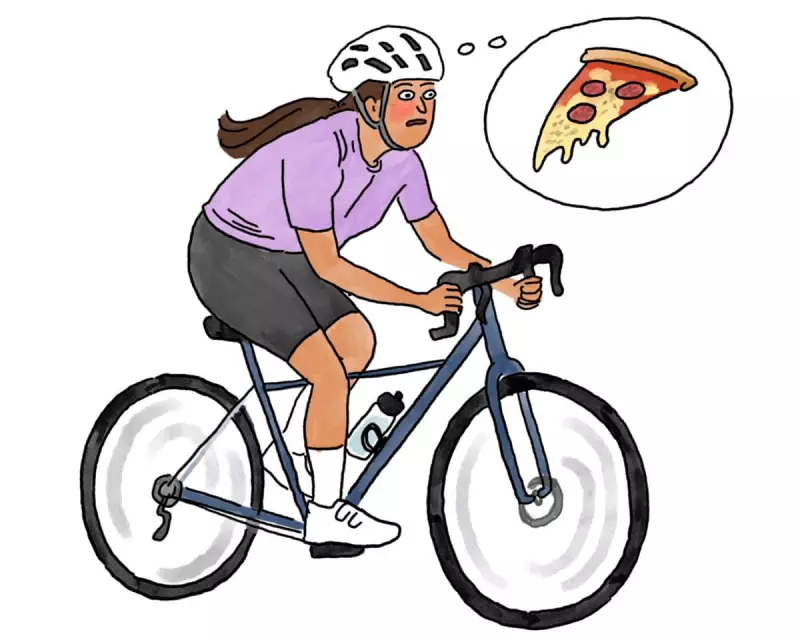
For many fitness enthusiasts, the idea of burning more fat by exercising on an empty stomach is an appealing one. But does this common belief hold any scientific weight? We investigated the facts with an expert in the field.
The Science of Fasted Exercise
Professor Javier Gonzalez, a specialist in nutrition and metabolism at the University of Bath, confirms there is a kernel of truth to the claim. "When we exercise, we're always burning a mix of fuels – mainly carbohydrates and fat," he explains. "If you've fasted overnight, you'll generally burn a bit more fat and less carbohydrate than if you'd eaten breakfast, especially one high in carbs."
This shift in fuel source occurs because overnight fasting depletes the body's stored carbohydrates, known as glycogen. In this state, the body is forced to tap into its fat reserves for energy during physical activity.
Why It Doesn't Guarantee Weight Loss
However, Professor Gonzalez is quick to point out a crucial distinction. Burning a higher proportion of fat during a workout does not automatically translate to greater overall fat loss.
The fundamental rule for losing body fat is being in a consistent energy deficit – burning more energy than you consume through food and drink. "We can only store a small amount of carbohydrate as glycogen in our muscles and liver," says Gonzalez. "Any extra energy – from carbs, fat or protein – eventually gets stored as body fat. So to lose fat, you need to be in an energy deficit. If you're not, it doesn't matter whether you're fasted or fed – your body balances things out over time."
The Real Benefits of Training Fasted
This doesn't mean that fasted workouts are without merit. Research, including studies conducted by Professor Gonzalez himself, indicates that training in a fasted state can offer other advantages.
Fasted exercise can lead to modest improvements in metabolic health, particularly in how muscles adapt to exercise and how the body manages blood sugar. "Fasted training seems to encourage muscles to move glucose out of the bloodstream," he notes. "So it can improve blood sugar control, especially after meals," which can help prevent energy crashes.
These effects are most pronounced during endurance activities like jogging or cycling. During high-intensity exercise, such as sprint intervals, the body relies so heavily on carbohydrates that the fasting state makes less difference.
The Final Verdict and Safety Tips
Ultimately, the benefits of fasted training are considered modest. "The most important thing is to do the exercise. Whether you do it fasted or fed is just the icing on the cake," Professor Gonzalez concludes.
If you are curious to try fasted exercise, he recommends starting cautiously. Begin with short sessions of 15 or 20 minutes and gradually build up. Most importantly, listen to your body. "If you feel light-headed or dizzy, that's your cue to stop and eat something," he advises. Prioritising your safety and overall consistency with exercise is far more critical for long-term health and fitness goals than the timing of your meals.