As temperatures plummet across the UK, our skin and hair often bear the brunt of the harsh seasonal shift. If you've noticed increased tightness, flakiness, or frustrating eczema flare-ups, you're not alone. The combination of cold outdoor air and dehydrating indoor heating creates a perfect storm for moisture loss.
Why Winter Wreaks Havoc on Your Skin
Consultant Dermatologist Dr Alia Ahmed explains the science behind winter's drying effects. "Cold air holds very little moisture, and central heating further dries it out," she states. This dual assault actively pulls hydration from the skin, weakening its protective barrier.
This leads to a spike in transepidermal water loss, where water evaporates from the skin more quickly. The result is the familiar sensation of dryness, tightness, and heightened reactivity. Dr Ahmed notes that once this barrier is compromised, the skin becomes more vulnerable to irritants, worsening redness and sensitivity.
Frequent temperature swings—moving from cold outdoors to warm interiors—also aggravate symptoms by causing blood vessels to rapidly expand and contract, leading to flushing and irritation.
Adapting Your Routine for the Colder Months
Dr Alia Ahmed recommends making strategic seasonal switches in your skincare regimen. "Cream formulations are preferable for winter as skin is prone to dehydration," she advises, suggesting that lighter lotions are better suited for summer. She cautions that foaming cleansers can be overly drying in winter but are easily used during warmer months.
To combat dryness and prevent eczema flare-ups, she endorses several key practices:
- Opt for richer moisturisers containing ceramides, glycerin, or hyaluronic acid to support the skin barrier.
- Run a humidifier at night to reintroduce moisture into the air.
- Take shorter, lukewarm showers, as hot water strips natural oils.
- Use gentle, fragrance-free cleansers to avoid irritating sensitive skin.
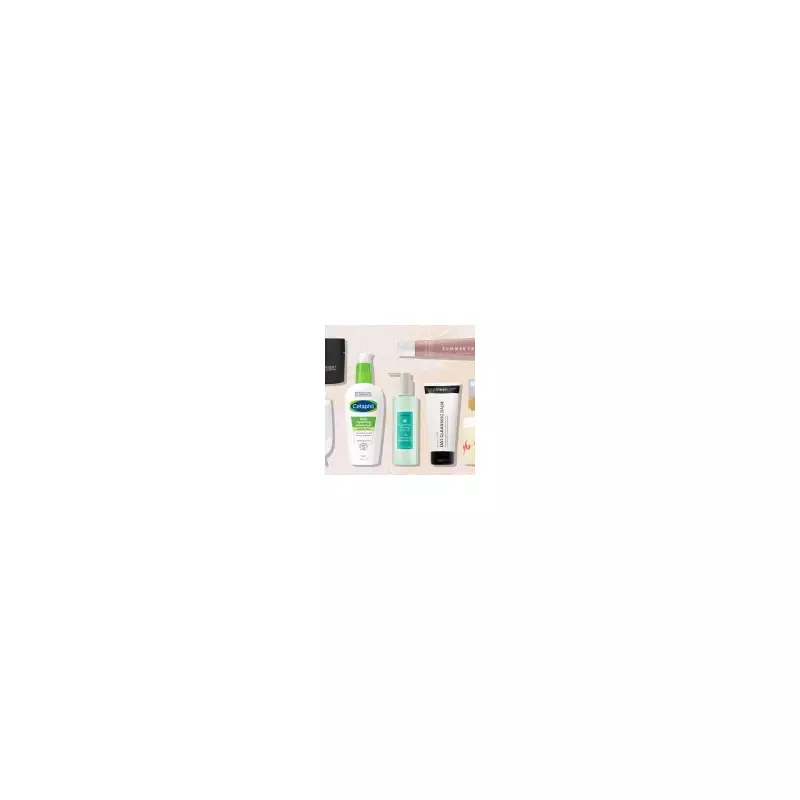
Featured products to consider include Cetaphil Daily Hydrating Moisturiser (£16.50), You're Looking Well Night Cream (£47.50), The INKEY List Oat Cleansing Balm (£12), and the Dunelm Humidifier Aroma Nightlight (£25).
Lip, Hair, and Body Care Essentials
Lips, which lack oil glands, are particularly vulnerable. Dermatologists recommend using balms with occlusive ingredients like petrolatum and shea butter. Overnight lip masks, such as the LANEIGE Lip Sleeping Mask (£21), can provide an intensive hydration hit.
Winter also takes a toll on hair. Laura Elliott, head stylist at Neäl & Wølf, identifies cold air and heated interiors as the main culprits for split ends, dandruff, and flyaways. Her top tips include washing hair only two to three times a week with nourishing shampoos, using lukewarm water, getting regular trims, and layering moisture with leave-in conditioners and weekly masks like the Neäl & Wølf Hydrate Moisture Hair Mask (£24.95).
Don't neglect hands, feet, and body, which dry out faster due to lower natural oil production. Experts advise moisturising immediately after washing, using rich overnight creams, and wearing gloves outdoors. Products like L'Occitane Shea Hand Cream (£27) and CeraVe Moisturising Lotion (£12.50) can offer effective relief.
By understanding how winter affects your skin and hair, and adjusting your routine with these expert-backed tips, you can maintain hydration, comfort, and health throughout the coldest months.