Beyond the Pub: How European Nations Prioritise Health and Community
While Britons famously gather in pubs, many European countries have developed distinctive health traditions that contribute to both physical wellbeing and social cohesion. From Iceland's swimming pool culture to Ukraine's fermentation practices, these longstanding habits offer valuable lessons for improving British lifestyles.
Nordic Wellness: Swimming and Sweet Control
In Iceland, swimming is deeply embedded in the national identity. With 160 pools serving a population of just over 400,000, there's approximately one pool for every 2,500 Icelanders. Film-maker Jón Karl Helgason, who documented this phenomenon in his 2022 film Sundlaugasögur, explains: "We were brought up in the swimming pool. They are everyone's playground. You come with your parents, then later your girlfriend or boyfriend."
Most Icelandic pools are outdoors and geothermally heated, making swimming an affordable daily activity. For just 4,000 krona (£25) annually, Helgason enjoys unlimited access to his favourite Reykjavík pool. Beyond physical benefits, these spaces provide mental health advantages through community connection. "You meet lots of different people, from farmers to politicians," he notes. The pools typically feature hot tubs, cold plunges, and saunas - all phone-free zones.
Meanwhile, Sweden has institutionalised moderation through lördagsgodis - the tradition of eating sweets only on Saturdays. Established in the 1950s to combat tooth decay, this practice remains widespread. "It's a blanket rule for almost all kids," confirms Linnea Dunne, author of Lagom: The Swedish Art of Balanced Living. "We know that it is bad to eat sweets every day, so we just do it on Saturdays."
Continental Eating Habits: From Five Meals to Fermented Foods
Switzerland maintains a structured approach to eating with five scheduled meals daily. In German-speaking regions, these are known as zmorge (breakfast), znüni (mid-morning snack), zmittag (lunch), zvieri (afternoon snack), and znacht (dinner). Dietitian Sandra Mikhail from Zurich explains: "Most Swiss people I work with average around four meals: breakfast, lunch, afternoon snack and dinner."
This pattern aligns with circadian rhythms, with lunch typically being the largest meal. "Our metabolism and insulin sensitivity are generally stronger earlier," Mikhail notes. "Having smaller, more frequent meals can help keep energy levels and focus steady."
Ukraine preserves nutritional abundance through widespread fermentation practices. Felicity Spector, author of Bread and War, observes that most Ukrainian households maintain extensive stores of fermented foods. "There's really nothing that's not been put in a jar," she remarks. Beyond familiar items like sauerkraut and kefir, Ukrainians ferment various fruits and vegetables using lacto-fermentation techniques with salt and brine rather than vinegar.
These traditional methods create probiotic-rich foods that strengthen gut health naturally. "All these things have health benefits, but they're not a new trend," Spector emphasises. "It's been going for hundreds of years."
Movement and Mindfulness: European Approaches to Mental Wellbeing
The Netherlands embraces its windy climate through uitwaaien - the practice of going outside to clear one's mind. Arie Boomsma, author of 10,000 Stappen Boek, explains: "It comes from waaien, 'to be moved by the wind', combined with uit, 'going outward or letting something go'. A firm walk and a strong wind can really change our mood and shift our perspective."
In France, sophrology has moved from alternative practice to mainstream acceptance. British GP Julia Bache, based in Paris, describes it as using "physical and mental exercises such as controlled breathing, muscle relaxation, gentle movements, visualisation, meditation and mindfulness to harmonise the body and mind." The technique is now commonly taught in schools and covered by health insurance.
Spain maintains its famous siesta tradition, though Madrid-based sleep expert Polly Revaliente clarifies that the practice has evolved. "The siesta is part of our cultural reputation, but it's not part of most people's working day any more," she says. Still, the principle of valuing rest remains strong: "What Spain arguably preserves best is the idea that rest is not lazy, it's part of life."
Italy's passeggiata - the post-meal walk - combines social connection with digestive benefits. Dr Federica Amati, head nutritionist for Zoe, explains: "Within half an hour of eating, we start to absorb sugars and fats in the small intestine. If you go for a little passeggiata, you're making the most of the energy in your muscles."
Germany's tradition of Abendbrot (evening bread) involves lighter evening meals to aid digestion and sleep. Food historian Ursula Heinzelmann recalls: "I grew up in West Berlin in the 60s. The main warm meal was always at midday. Normally, dinner would be sliced bread with cheese, ham, sausage - always with something fresh like cucumber or tomatoes."
Denmark reinforces community through fællesspisning (communal dining), reviving a tradition rooted in 19th-century workers' soup kitchens. Judith Kyst of Madkulturen notes this practice counters modern isolation: "It is a counter-reaction to individualism, loneliness and screentime, showing a desire to reconnect with the community."
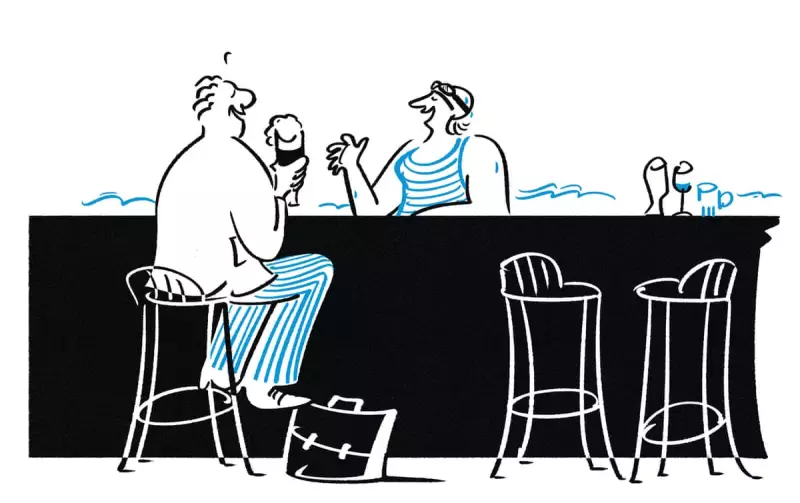
As Helgason summarises the Icelandic perspective: "You Britons go to the pub, but we go to the swimming pool." Each European nation has developed distinctive health traditions that blend physical wellbeing with social connection - offering potential inspiration for British lifestyle improvements.