In the unpredictable chaos of severe weather events, emergency services often rely on unconventional tools to gauge the impact and coordinate their response. One such tool, born from observation and practicality, is the Waffle House Index—a unique metric that helps authorities understand just how bad a storm has become.
The Origins of the Waffle House Index
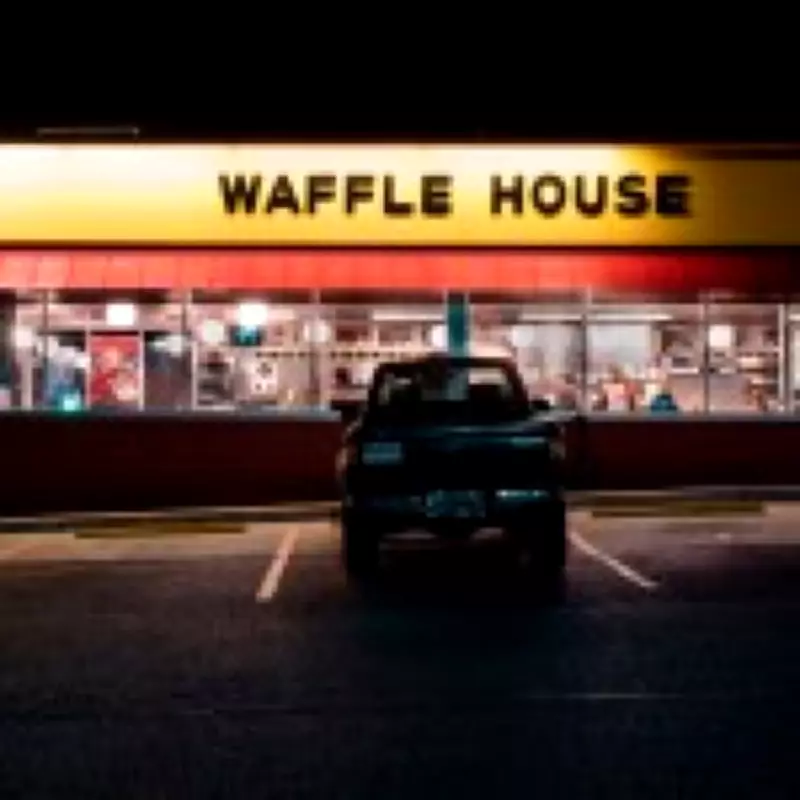
The Waffle House Index was conceptualised by former FEMA administrator Craig Fugate back in 2004, during his coordination of disaster relief efforts. Fugate noted that the steadfast nature of Waffle House, a 24-hour, 365-day-a-year breakfast chain with over 1,700 locations primarily in the southern and eastern United States, could serve as a reliable barometer for storm severity. His insight was simple yet profound: if a Waffle House is closed during a hurricane or snowstorm, the situation is dire.
How the Index Works in Practice
FEMA officially employs the Waffle House Index to assess disaster conditions, focusing on whether power, water, and other essential services are restored and how quickly normalcy returns to affected areas. The index operates on a three-tier colour-coded system:

- Green: Waffle House locations are open with a full menu, indicating minimal storm damage.
- Yellow: Restaurants are open but serving a limited menu, signalling moderate damage or localised power outages.
- Red: Waffle Houses are closed, pointing to severe damage and critical conditions in the area.
This system was notably referenced during recent events like a 'bomb cyclone' that paralysed parts of the South, showcasing its ongoing relevance in modern emergency management.
Waffle House's Role Beyond the Index
Waffle House has earned a reputation as an 'always faithful' beacon of safety, as once described by Anthony Bourdain. Most of its outlets are equipped with generators and backup systems, allowing them to remain operational during emergencies. This reliability transforms the chain into more than just a restaurant—it becomes a community hub in times of crisis.
For instance, after a hurricane knocked out power in North Carolina, employees were cooking eggs and sausage biscuits by 6:30 am the next day, providing meals for those without means. In 2011, following Hurricane Irene, manager Reggie Smith drove 100 miles to assist evacuated customers at other locations, offering a 'brief bit of normal' amidst displacement.
The Business and Humanitarian Balance
While sales can triple in the aftermath of storms, Waffle House emphasises that its disaster response strategy is not primarily profit-driven. According to Pat Warner, a member of the crisis-management team, the company focuses on marketing and building goodwill. He explains that factors like leased equipment, extra supplies, and additional manpower mean that reopening efforts often outweigh immediate financial gains.
The chain's commitment to staying open, even with limited menus, underscores its role in supporting both emergency services and local communities. By monitoring the Waffle House Index, FEMA gains real-time insights into storm impacts, enabling more effective disaster coordination and relief efforts.
This innovative approach highlights how everyday institutions can play a crucial part in public safety, blending operational resilience with humanitarian aid to weather the storm.