
Iran-linked hackers have been blamed for a cyber-attack that forced a British power plant to temporarily shut down, according to a report by the Sunday Telegraph. The incident, which occurred last month, involved a small-scale energy generator, and the UK government has stressed that there was no risk to the wider energy system at any point.
A spokesperson for the Department for Energy Security and Net Zero said: "This story refers to an incident impacting a small-scale energy generator, and at no point was there a risk to the wider energy system. The UK has a highly resilient energy system. We work closely with the energy sector to protect infrastructure and ensure the highest security standards."
The power plant was shut down for four days as a result of the attack, according to the Sunday Telegraph, which first reported the incident. The National Cyber Security Centre (NCSC), which handles attacks on critical infrastructure, is understood not to have received any reported outages from regulated operators of power stations.
Escalation in Iran's Cyber Threats
This incident marks an apparent escalation in the threat posed by Iran, following the UK's decision to allow the US to launch "defensive" operations against Tehran from British bases. The UK has permitted the US to conduct such operations since the start of its war on Iran but has refused to assist in offensive operations. That policy has not been altered by the new prime minister, Andy Burnham, who was notified last week that a decision had been made to extend the agreement with the US.
The government said last month that the UK was "ready to defend itself" after Iran's military warned that any bases used by the US were "legitimate targets". Iran's Islamic Revolutionary Guard Corps (IRGC) stated that "any base used for aggression against Iranian territory constitutes a legitimate target for our forces".
Political and Security Reactions
The Conservatives said the incident reflected a "new kind of warfare", which meant Britain needed to prioritise "cheap, reliable energy". Claire Coutinho, the Conservative spokesperson on energy, said: "The world is getting more dangerous, which is why we need to prioritise our energy security. Leaving ourselves reliant on imports of gas and electricity and failing to build enough reliable gas or nuclear plants for backup at home, all leaves us more vulnerable."
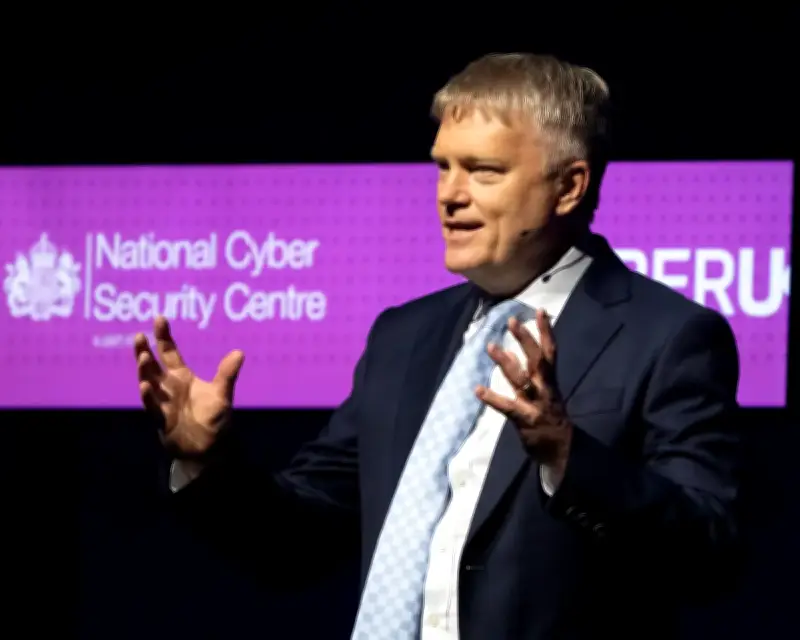
Hostile states such as Russia, China and Iran are increasingly targeting systems behind the UK's key services, according to a warning earlier this year from Richard Horne, the NCSC's chief executive. He highlighted the growing threat to critical national infrastructure from state-sponsored cyber actors.
Broader Context of Iranian Cyber Activities
Iran has been accused for years of carrying out cyber-attacks on various countries, including a massive power outage in Turkey in 2015 and several possible breaches of Israeli government websites in 2022. US government security agencies issued a warning earlier this year of cyber-attacks on critical infrastructure by hackers linked to the IRGC.
The US has alleged that an Iran-affiliated group known as "CyberAv3ngers" carried out a campaign against it in 2023 that compromised at least 75 devices in multiple infrastructure sectors. This latest incident underscores the persistent and evolving cyber threat from Iran, prompting continued vigilance from UK authorities and international partners.




