A grandmother's heartfelt plea for advice on navigating political conversations with her grown grandsons has sparked a profound reflection on the roots of our ideological divides. The reader, who wishes to remain anonymous, wrote to advice columnist Eleanor Gordon-Smith expressing frustration that her conservative grandsons dismiss her political views as "fuzzy thinking" due to her age.
The Heart of the Divide: Experience vs. Belief
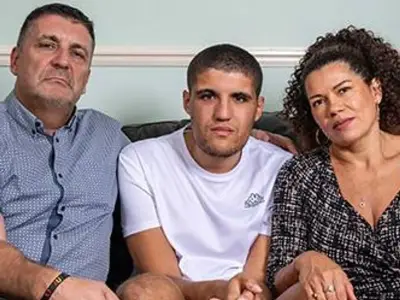
The grandmother describes her grandsons as lovely and kind men who believe they "pulled themselves up by their bootstraps." She contends, however, that they overlook the substantial help they received from family and with university costs. While they have faced setbacks, she feels they lack the experience of how "very difficult life can be" and the realisation that one cannot always control it. Her strategic question to Gordon-Smith was not whether to avoid politics, but what she could say to express her disagreement effectively.
In her response, published in the Guardian's Leading questions column, Gordon-Smith moves beyond the typical advice to avoid contentious topics at the dinner table. She identifies a core, often neglected, component of political difference: not just what we believe, but whether we understand how certain experiences feel.
"I Can Explain It, But I Can't Understand It For You"
Gordon-Smith borrows a teacher's aphorism to frame the issue: "I can explain it to you, but I can't understand it for you." She argues that a significant part of what informs our politics is an intimate, felt knowledge of circumstances like being truly poor, sick, afraid, or out of control. This is distinct from merely knowing such situations exist.
"We spend a lot of time dissecting politics in terms of beliefs – the what – but I think a neglected part of our political differences are whether we know how these things feel," Gordon-Smith writes. She suggests the grandmother's frustration stems from sensing her grandsons lack this visceral understanding of vulnerability.
A Path Forward: Demonstrating the Unknown
The columnist proposes that mutual respect is possible even without shared experience, but only if we acknowledge the limits of our own knowledge. The problem, she suggests, may be that the grandsons don't know what they're missing. Drawing another educational parallel, she notes that people often need to confront their own incompetence to be motivated to learn.
Gordon-Smith's practical advice is for the grandmother to find ways to show the depth of what they don't know. This could involve posing questions to which they have no answer or, more powerfully, sharing vivid narratives that convey "what it's like." By telling them about things she or people she knows have witnessed—the raw, human realities behind political issues—she can help frame her life experience as credible political insight, not fuzzy-mindedness.
Gordon-Smith illustrates this with a poignant example from recent HIV/Aids commemorations, asking how many truly know what it's like to attend 40 funerals in a year. The goal isn't to stereotype generations or to claim superior wisdom, but to help her grandsons see that their own life story is not a complete political theory.
The exchange underscores a timeless, yet urgently modern, familial and societal challenge: bridging divides not just of opinion, but of lived reality. Gordon-Smith's analysis shifts the focus from winning an argument to building understanding, offering a nuanced strategy for one grandmother, and perhaps a model for a more empathetic political discourse.