
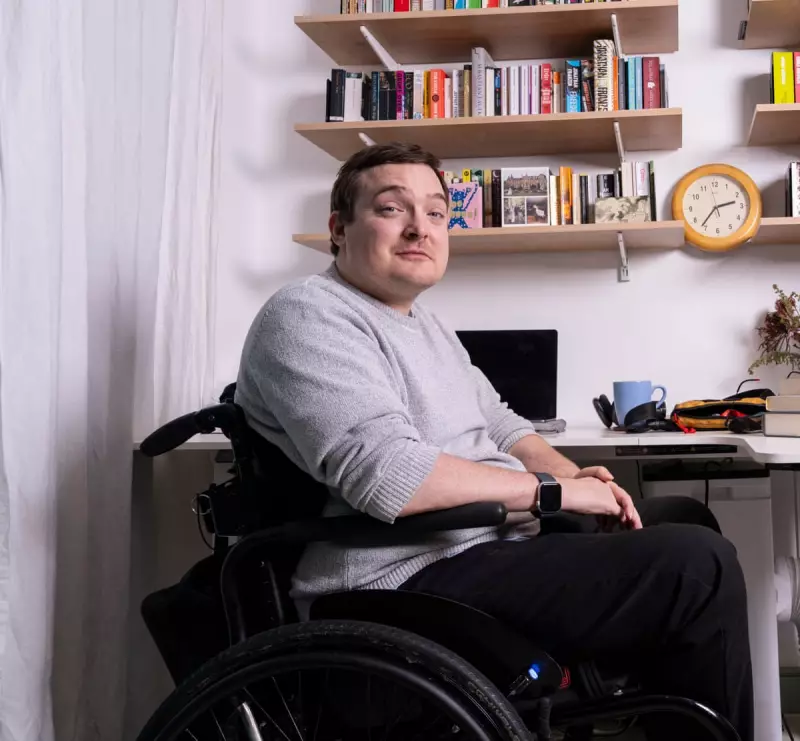
For two long years, Alex Clark's life was put on hold, not by his medical condition, but by a bureaucratic maze masquerading as a healthcare service. His frustrating quest for a suitable wheelchair from the NHS highlights systemic failures that strip individuals of their independence and dignity.
A Cycle of Assessments and Empty Promises
Clark's ordeal began in late 2022 when his deteriorating mobility forced him to seek a more appropriate wheelchair. What followed was a maddening cycle of assessments, referrals, and vanishing paperwork. He underwent three separate face-to-face assessments, each with a different practitioner, yet no progress was made.
The communication was, by his account, abysmal. He spent countless hours on hold, sent dozens of emails that vanished into the void, and received conflicting information every time he made contact. "I wish I could say I kept my cool," Clark admits, describing the profound frustration of being passed from pillar to post. His existing, unsuitable chair was causing him physical harm, compounding the psychological toll of the wait.
The Human Cost of Delay
The impact extended far beyond inconvenience. Clark, a London resident, found his world shrinking. Simple acts like grocery shopping or meeting friends became monumental challenges. His social life and mental wellbeing suffered dramatically as he was effectively housebound by inadequate equipment.
"It's not just a chair," he explains. "It's your freedom. It's your ability to participate in your own life." The delay forced him to rely heavily on family and friends for basic tasks, eroding his sense of autonomy. The promised timeline of 18 weeks for a decision stretched into 24 months of uncertainty and stagnation.
Official Response and Systemic Issues
When confronted, the local NHS wheelchair service attributed the delays to "unprecedented demand" and "staff shortages," common refrains across the health service. They apologised for Clark's experience and stated they are "working to improve pathways."
However, campaigners argue this case is not isolated. They point to a postcode lottery for wheelchair services across the UK, with funding and efficiency varying wildly between regions. The complex assessment process, often involving multiple NHS departments and external contractors, creates bottlenecks where users can fall through the gaps.
The final chapter of Clark's story arrived in December 2024, when he finally received a new, active-user wheelchair. The relief was palpable, but overshadowed by the two years of struggle it took to get there. His experience raises urgent questions about the prioritisation of mobility aid services within the NHS and the tangible human cost of administrative failure.




