
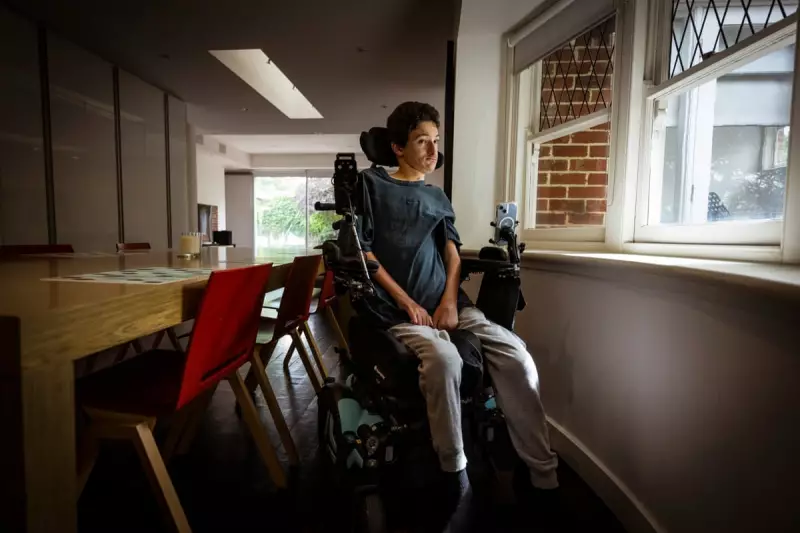
A 15-year-old girl with a physical disability has issued a powerful plea against government plans to impose stricter age verification on social media, arguing that for young people like her, these platforms are not a luxury but a critical lifeline.
The Vital Role of Social Connection
The teenager, who uses a wheelchair and has faced significant social isolation, explains that social media has been transformative. It allows her to connect with friends, participate in conversations, and access communities she cannot easily reach in the physical world due to mobility barriers and inaccessible spaces. For her, online platforms are a primary means of combating loneliness and building an identity beyond her disability.
She details how proposals like the Online Safety Act and potential further restrictions, often framed as protecting children, could have the opposite effect for disabled youth. Mandatory age checks and parental consent could effectively lock her out of spaces that provide essential peer support, information about her condition, and a sense of normalcy.
The Risks of Well-Intentioned Policy
The article highlights a central contradiction in the government's approach. While aiming to shield young people from online harms, the proposed measures fail to account for the nuanced realities of vulnerable groups. The writer points out that blanket restrictions do not distinguish between risky use and essential use for communication and support.
She argues that for disabled teenagers, the risks of isolation often far outweigh the potential risks of moderated social media use. Being cut off from these digital networks could exacerbate mental health issues, limit access to disability-specific advice, and hinder social development. The policy, in her view, is designed without consulting those it will impact most severely.
A Call for Nuance, Not Bans
Instead of outright barriers, the young writer advocates for more sophisticated solutions. She calls for better digital education, resources to help young people navigate online spaces safely, and platforms designed with inclusivity and robust safety features from the outset. The focus, she insists, should be on empowerment and creating safer environments, not on exclusionary verification that treats all teenagers as a homogeneous group.
Her testimony serves as a stark reminder that one-size-fits-all legislation often fails the most vulnerable. As the government continues to refine its online safety framework, the voices of those for whom digital access is a matter of social survival must be heard and heeded.




