
County Lines Exploitation Sees Sharp Rise in Female Victims, Data Reveals
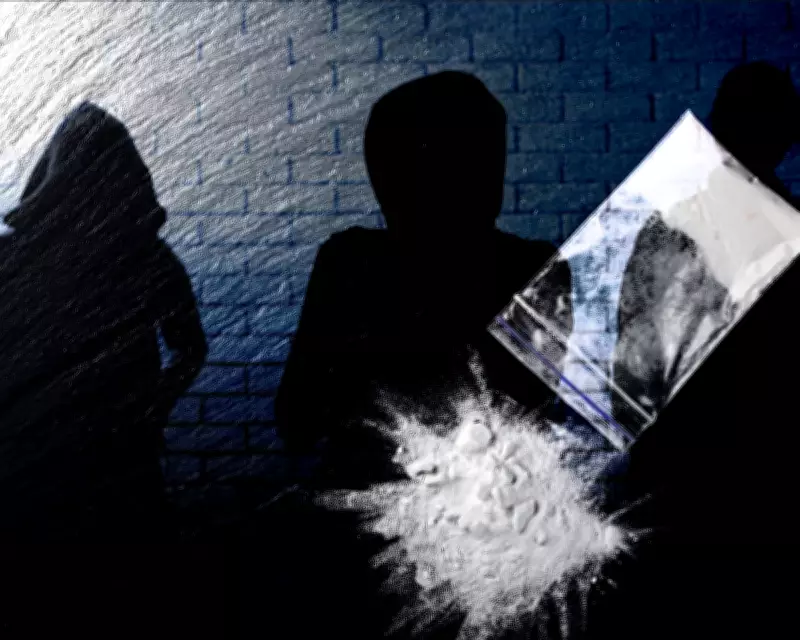
An alarming increase in the number of girls being identified as victims of county lines drug exploitation has been documented in newly released figures, exposing significant gaps in how services recognize and respond to female victims of this organized crime.
Statistical Evidence of Growing Female Involvement
Data from Catch22, the charity operating the national county lines support service, reveals that girls and young women constituted 22% of its caseload in 2025. This represents a substantial increase from just 15% the previous year, indicating a troubling trend in the demographics of those being exploited by drug gangs.
The organization, which supports the government's county lines programme launched in 2019 under the Conservatives and continued under Labour, works to dismantle networks that transport drugs from urban centers to rural areas using dedicated phone lines. These criminal enterprises systematically coerce vulnerable young people into moving drugs and money across the country.
Gendered Blind Spots in Victim Identification
Catch22 officials have identified what they describe as a "gendered understanding" of county lines exploitation that prevents many services from properly recognizing girls and young women as victims. This systemic bias has created dangerous gaps in protection and support for female victims.
Marike van Harskamp, head of policy at Catch22, explained the disparity: "Part of the problem is that there is a very gendered understanding of criminal exploitation and county lines, that it only concerns boys. It often means girls are not properly identified."
The statistics reveal a stark contrast in how victims are treated. While approximately half of boys referred to the county lines service receive support through the National Referral Mechanism—a government program designed to assist victims of modern slavery—only about one in six girls receives similar assistance.
The 'Boyfriend Model' of Grooming
Van Harskamp detailed the particular vulnerabilities facing girls: "For girls to become involved in child criminal exploitation and county lines, we know there is a bit more complexity in their experience and that there are overlapping issues going on."
She identified the "boyfriend model" as a key mechanism through which girls become victims: "It's similar to child sexual exploitation—being groomed into what they think is a relationship, then, being forced, without necessarily noticing, into criminal activity—transporting drugs and transporting money in the county lines model."
Government Response and Police Action
The government reports significant progress in combating county lines operations, with police disbanding record numbers of networks last year. New data shows that in 2025, authorities closed 2,740 county lines, charged 1,657 gang leaders, and seized 961 knives. The government plans to invest more than £34 million in its county lines programme this year.
Detective Superintendent Dan Mitchell, head of the national county lines coordination centre, emphasized the ongoing commitment: "As county lines gangs' methods evolve, our policing approach does too. We remain committed to pursuing high-harm county lines and those controlled by violent drug dealers, so that we can prevent harm, protect children and vulnerable adults, and disrupt criminal activity."
Vulnerabilities and Long-Term Consequences
Van Harskamp highlighted how county lines grooming frequently occurs on social media platforms like Snapchat, with gangs specifically targeting young people with "additional vulnerabilities." These vulnerabilities include mental health issues, substance misuse, unstable care arrangements, educational disengagement, and unsafe peer relationships.
"The earlier the risk is identified, the better," van Harskamp stressed. "We are seeing long-term, very significant mental health impact, from the trauma of it. As long as there are mental health issues, it also means they are at higher risk of being stuck in that cycle of exploitation."
She called for specialized mental health aftercare for victims: "We know there is a relationship between poor mental health and not being in education, training or employment. It has consequences for life chances and social mobility."
Catch22's service encounters children as young as seven being groomed into county lines operations. "That is why it is really important to frame county lines exploitation as a form of child abuse, forcing children to do things they should never be doing," van Harskamp emphasized. "We see that across the genders."
While acknowledging the progress reflected in enforcement numbers, van Harskamp concluded: "The success is reflected in the numbers, but there is a lot more to do." The data reveals not only the expanding reach of county lines exploitation but also the critical need for gender-sensitive approaches to identifying and supporting all victims of this pervasive form of organized crime.




