
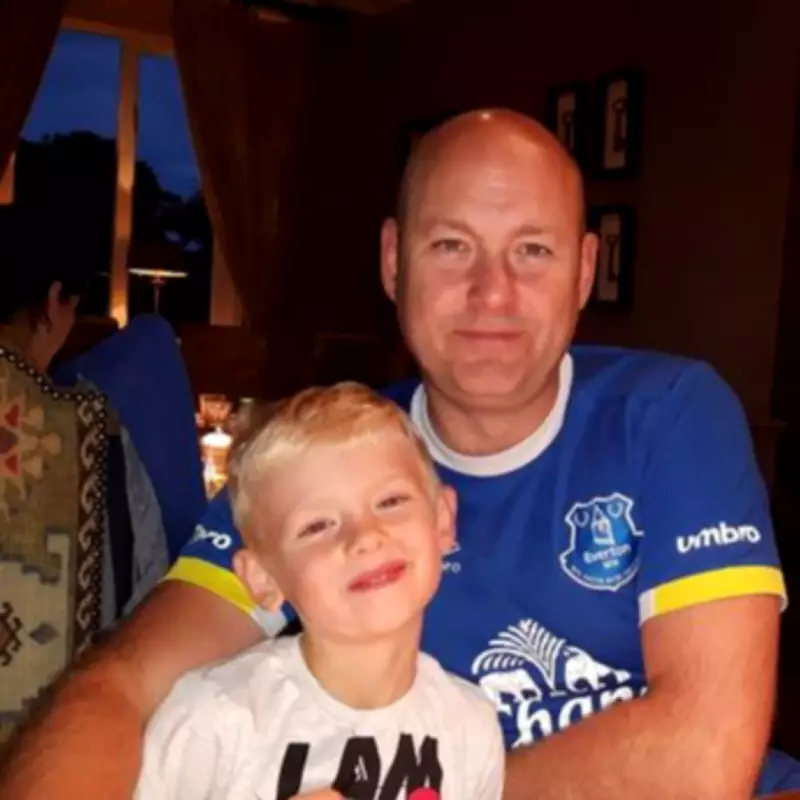
Loving Father's Life Shattered by Single Punch Attack
A devoted father and husband from North Wales has seen his life completely destroyed following a devastating one-punch assault that left him with permanent brain damage. Craig Lewis-Williams, 50, from Llay, was walking home in November 2021 when he was violently attacked, resulting in catastrophic injuries that have left him unable to walk or swallow independently.
Catastrophic Injuries and Ongoing Medical Challenges
During his subsequent medical treatment, the former warehouse manager suffered a severe stroke that caused paralysis down the left side of his body and persistent memory problems. The severity of the assault means Mr Lewis-Williams now requires a feeding tube for nutrition and receives visits from professional carers six times daily to manage his basic needs.
Following an extensive appeal process, he was awarded the maximum possible payout from the Criminal Injuries Compensation Authority. However, his wife Anna, 45, has expressed serious concerns that the £500,000 settlement will prove insufficient to cover his lifelong care requirements, according to detailed reports from NorthWalesLive.
Three-Decade Compensation Freeze Exposed
The maximum compensation figure of £500,000 has remained completely unchanged for three full decades, having been originally set in April 1996. Despite the life-altering nature of his injuries and the total loss of his livelihood, the payout remains capped at a rate established thirty years ago. The family's difficult situation highlights the growing gap between the fixed compensation limit and the practical reality of providing comprehensive long-term support for victims of violent crime.
Campaigners have urgently called for the thirty-year freeze on compensation for crime victims to be lifted immediately, arguing that the current amount proves completely insufficient for proper future planning. This compensation is specifically paid to victims of crime who have suffered severe life-changing injuries, including traumatic brain damage and paralysis.
Inflation Erodes Compensation Value Dramatically
New financial analysis suggests that had the maximum compensation amount risen in line with standard inflation rates over the past three decades, it would now stand at more than double the current limit - reaching approximately £1,015,000. One prominent campaigner described the current compensation level as an "insult" to victims and their struggling families.
Those directly affected, along with experienced legal professionals, have raised serious concerns that the compensation money will eventually run out completely, leaving victims without vital support and significantly affecting their broader quality of life.
Family Voices Practical Financial Concerns
Mrs Lewis-Williams explained to the Press Association: "Things are going to need regular replacing like his specialized wheelchair and the adapted van - these are substantial expenses that ordinary people don't face. You cannot simply purchase an adapted vehicle for £500 or £1,000, whereas we must get everything specially modified. The money is not going to last sufficiently. Craig has just turned 50 and the expected lifespan for a male is 75 to 80 years - that represents another 25-30 years of care needs."
She continued: "You must consider vehicle costs, family expenses, and prices are substantially higher than they were thirty years ago. We're currently experiencing a severe cost-of-living crisis, and the compensation money must stretch much further than originally intended."
Parallel Case Highlights Systemic Issues
Nichola, from north-west England, shares identical fears regarding her adopted teenage daughter Lou. The secondary-school pupil experiences learning difficulties caused by prenatal brain damage resulting from her biological mother's drug use during pregnancy and after birth.
While Nichola notes that Lou has "defied the odds" by attending a mainstream school, she suffers from significant mental processing difficulties, mood disorders, and behavioral conditions. Professional assessments indicate she will likely struggle with maintaining employment long-term, particularly with workplace disciplines and interpersonal relationships.
Nichola explained: "She has received a substantial compensation amount that would seem huge to most people. But it must last her entire lifetime, and she's very young - it might need to support her for another eighty years. If you're someone who struggles to maintain steady employment, you won't accumulate significant pension savings. You'll likely move between temporary positions with employment gaps, and probably work part-time in lower-paid roles due to qualification limitations."
Legal Experts Demand Government Action
Neil Sugarman, a lawyer with extensive experience in criminal injuries cases and former president of the Association of Personal Injury Lawyers, stated that the anniversary should serve as a "wake-up call" for government authorities.
Mr Sugarman declared: "The thirtieth anniversary of the introduction of the maximum £500,000 award for the most seriously injured innocent victims of crime should serve as a wake-up call to the Government that this situation is no longer acceptable. For adults and children who suffer catastrophic brain injury, who are confined to wheelchairs, or whose lives have been ruined by abuse, the reality that they must manage with this inadequate amount for life through no fault of their own represents a profound insult."
Kim Harrison, a past president of Apil, called for an immediate comprehensive review of the compensation limit. She emphasized that those affected have been overlooked "for too long" by the current system.
Ms Harrison stated: "While having any cap on compensation for survivors of crime presents inherent problems, at the very minimum it should be recognized that the amount established when the cap was set in 1996 will not stretch nearly as far in today's economy, three decades later. The system requires urgent modernization."
Government Response and Ongoing Concerns
A Ministry of Justice spokesperson responded: "Our thoughts remain with all victims of violent crime. We're committed to ensuring brave survivors receive the support they deserve, with over £164 million paid out by the taxpayer-funded Criminal Injuries Compensation Scheme during the 2024/25 period alone."
Despite this statement, families and advocates continue to highlight how the frozen compensation cap fails to address the real financial burdens faced by victims of catastrophic violence, leaving them vulnerable to future financial crises as care costs continue rising dramatically.




