
Freedom on the Trail: How Off-Road Wheelchairs Are Changing Lives
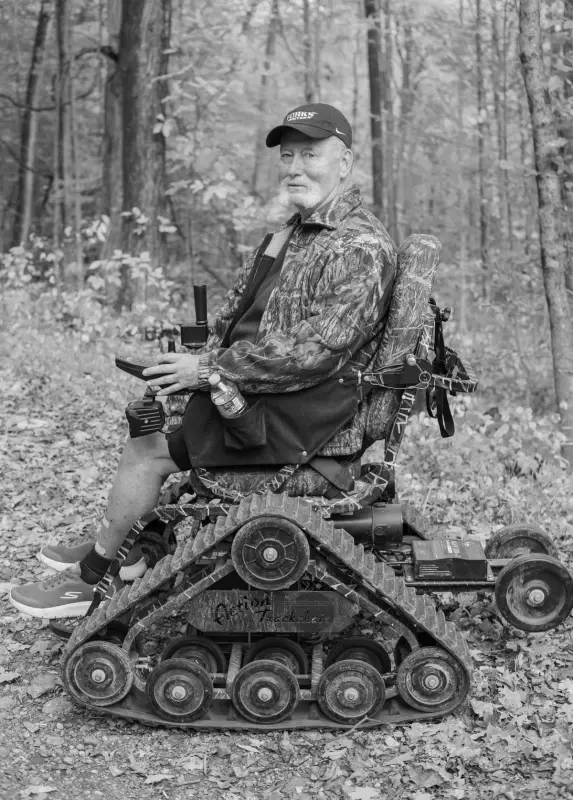
On a crisp October morning in New York's Mohonk Preserve, something remarkable was happening. Among the vibrant autumn colours, a group of hikers was exploring forest trails that many had told them they would never experience again. They were riding in Trackchairs – rugged, all-terrain vehicles described as the "Jeeps of wheelchairs" – that can easily navigate rocks, tree roots and muddy paths.
From Despair to the Great Outdoors
Gina Kothe, a 53-year-old Army veteran and former firefighter, understands the transformative power of nature. Her right foot was crushed in a 2010 aerial-ladder accident during a blaze in Kingston, New York. After failed surgery and months of depression, her foot was amputated. "I had a slight addiction to painkillers," she recalled. "I would shower every three or four days, and wear the same barbecue-stained T-shirt for two or three days in a row."
Her recovery began unexpectedly when her husband brought home baby chicks, forcing her to get up and care for them. Since then, she has embraced adaptive sports including rock climbing and bobsledding, and now finds peace through activities like the recent leaf-peeping tour at Mohonk.
The Solutionists Making Nature Accessible
The free outing was organised by Soar Experiences, a non-profit tour operator specialising in outdoor adaptive recreation for people with limited mobility. The organisation's founder, Scott Trager, 63, once worked shaving milliseconds off stock trades on Wall Street. Now he describes his new career as a social entrepreneur that "beats my cubicle" and pays unexpected dividends.
Trager generally avoids asking clients about their disabilities, but many open up anyway. He recalls one particularly emotional moment when a woman born with stunted limbs asked him to take her to a beach in a Trackchair. "She starts crying," Trager remembered. "I'm like, 'What's the matter?' She told him she had never felt sand before."
Peter Gagliardo, adaptive sports coordinator for Helen Hayes hospital, who was paralysed from the waist down in a 2006 motorcycle accident, helped convince Trager to install hand controls in one of his Jeeps about seven years ago. The experiment was so successful that Trackchairs soon joined the fleet, and Soar was born.
The Mental Health Benefits and Insurance Battles
Research strongly supports the benefits of adaptive sports and time in nature. A metanalysis in the journal Healthcare found that "engagement in adaptive sports showed a positive impact on the mental quality of life among adults with physical disabilities." Another study published by the American Psychiatric Association found that subjects walking in forests had 12% lower stress hormone levels compared to city walkers.
Despite this evidence, most insurers refuse to cover adaptive sports equipment. Gagliardo seethed that insurance companies will not "pay to modify your bathroom," let alone sporting equipment. David Daw, a former stage manager who retired because of muscular dystrophy, recently battled his insurance company for 16 months to receive reimbursement for his motorised chair.
"They're hoping you give up," Daw fretted. "Because most people give up. Some of them commit suicide. I almost did." He argues that 90 days should be long enough for insurers to approve or deny medical equipment for customers with disabilities.
The financial barriers are significant. Stephen Fray, 61, who has ALS, was impressed by the Trackchairs but worried about their cost – between $13,000 and $27,000. Having been forced to retire early and tap his savings, such an expense seemed daunting.
A New Lease on Life
For participants like Eddie Slick, 73, who drove two-and-a-half hours to reach Mohonk, the experience is priceless. "If I had to stay indoors, I'd probably be gone," said the avid hunter and fisher. David Daw expressed similar sentiments: "I feel free. I don't feel sick when I'm out here."
As Gagliardo observed, watching people tackle something they were told was impossible has profound effects. "When you do get into an off-road Jeep or an off-road wheelchair, everybody's face just absolutely lights up," he said. "They're tackling something that everybody told them was impossible. That they told themselves was impossible. Until they come out here and realise – it's all possible."
Now that Soar has secured its non-profit status, Trager hopes to attract more philanthropic support to expand its programmes. With 15 free public hikes recently held primarily at parks in New York and Connecticut – many with waiting lists – the demand is clearly there. "The more we started working with this particular demographic," said Trager, "the more we realise they are drastically underserved."




