The Unimaginable Void: When Murder Strikes Overseas
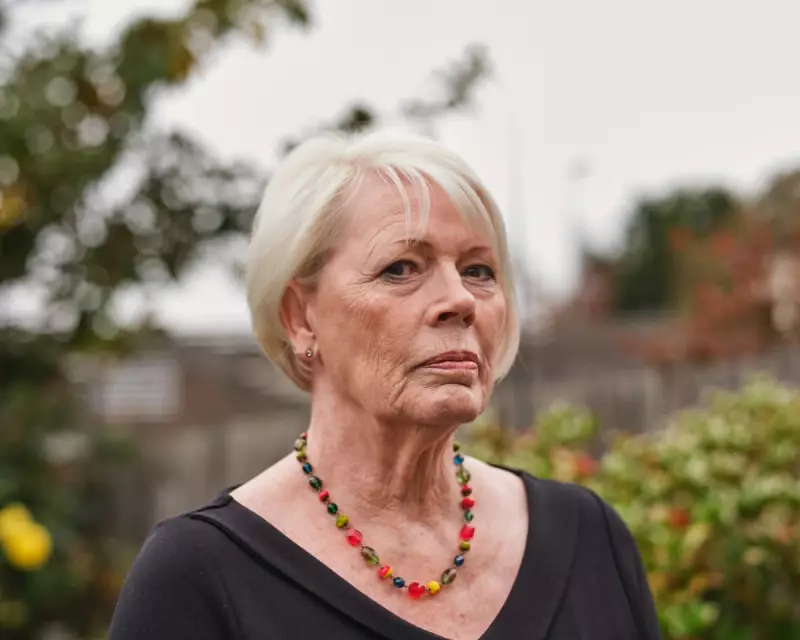
Each year, approximately 80 British nationals become victims of homicide while abroad, leaving grieving families to navigate a labyrinth of foreign legal systems and bureaucratic indifference. For Eve Henderson, this statistic became a devastating reality when her husband, Roderick, was brutally attacked during what should have been a celebratory birthday weekend in Paris.
A Birthday Celebration Turns to Tragedy
In October 1997, Eve Henderson and her family travelled to Paris via Eurostar to celebrate Roderick's 54th birthday. The weekend began with champagne and bacon rolls on the journey, followed by a sophisticated evening on a Seine river cruise. "We'd been dressed up, suited and booted, on a bateaux-mouche," Henderson recalls of those final happy hours.
The evening took a horrific turn when Roderick, their son Scott, and son-in-law Andrew went for a final drink after the cruise. Walking just 30 yards from a Champs-Élysées bar, they were suddenly attacked by a gang of youths on inline skates. The assault lasted mere minutes but proved fatal for Roderick, who suffered a broken larynx from a punch to the throat followed by a devastating kick to his forehead that caused a fatal brain bleed.
Navigating the Aftermath Alone
Henderson describes the immediate aftermath as existing in a state of complete shock. "You're a world apart," she explains, "a stranger in a strange city, floundering in the dark. You're speaking a different language, dealing with a different legal system, different policing, different everything."
The practical challenges were overwhelming. With no credit cards and limited cash, the family found themselves homeless when their hotel reservation ended. The British consulate offered minimal assistance, leaving Henderson to queue alongside visa applicants while her husband lay on life support. Police initially dismissed the incident as an accident, suggesting Roderick had simply "fallen and hit his head."
The Long Road to Justice and Healing
No one has ever been charged for Roderick's murder, and the investigation was initially mishandled, with months passing before the murder squad became involved. This lack of justice compounded Henderson's trauma, but it also sparked her determination to prevent other families from experiencing similar neglect.
Through connecting with other families affected by overseas homicides - including the father of Caroline Dickinson, murdered in France in 1996, and Roger Parrish, whose daughter Joanna was killed by a French serial killer - Henderson began to understand the systemic failures affecting British families dealing with murders abroad.
Establishing Murdered Abroad
In 2001, Henderson helped establish what would become Murdered Abroad (MA), a charity providing peer support and practical guidance to families navigating homicides in foreign countries. The organization addresses numerous challenges families face:
- Navigating different judicial processes across countries
- Managing repatriation of loved ones
- Finding and funding legal representation abroad
- Dealing with translation of documents
- Managing the substantial financial costs, which average £59,000 per case
"We work on the basis that if families believe it's a homicide, we'll welcome them," Henderson explains, noting that many suspicious deaths overseas are officially recorded as accidents or suicides without proper investigation.
Living With the Life Sentence
Now 28 years after Roderick's murder, Henderson reflects on the enduring impact. "We have the life sentence," she says, describing moments when she still reaches for her husband in bed only to remember his absence. She finds purpose in her work with MA, though acknowledges the limitations: "I can go out there and help all these other people in practical ways, but sometimes you do ask yourself: what can I do for my own kids?"
Counselling proved crucial to her healing process, providing space to process grief that continued for over two decades. Henderson has learned to focus on life's positive developments - grandchildren, great-grandchildren, and the meaningful work of supporting other families.
"You have to pick out the good bits or you'd go under," she concludes. "I'm still here, I've got my marbles and I'm still passionate about MA. I can't bear to think that other people are still suffering the same way I did. So I'll fight on."