
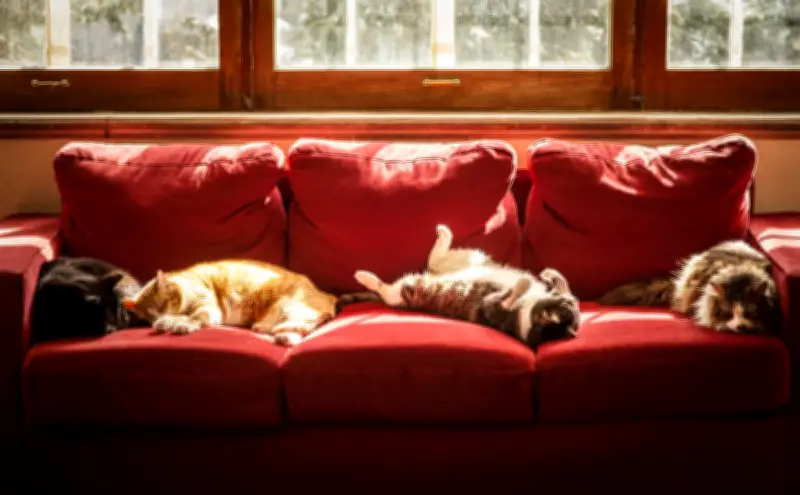
Transitioning an outdoor cat to indoor living can safeguard its health and protect native wildlife, but pet owners need to prepare adequately to ensure a smooth adjustment. With the arrival of H5N1 bird flu in Australia, the stakes are higher than ever, as domestic cats infected with the virus face mortality rates of 50 to 70%, according to a study published by the American Veterinary Medical Association. Additionally, roaming cats kill an average of 186 mammals, reptiles, and birds each year, based on research by the Threatened Species Recovery Hub.
Why indoor living is safer for cats
Cats that roam outdoors face numerous threats, including being hit by cars, getting lost, or becoming involved in fights. Wildlife veterinarian Dr. Tania Bishop emphasizes that “a safe cat is an indoor cat,” noting that roaming cats already face dangers from cars, snakes, dogs, ticks, powerful owls, and disease. With H5 bird flu now present in Australia, cats could also become infected by scavenging or coming into contact with sick or dead birds.
Keeping cats indoors or in contained outdoor enclosures known as “catios” significantly reduces their impact on native wildlife. Rob Brewster, rewilding manager at the Invasive Species Council, states that contained cats have very little effect on native wildlife, whereas roaming cats have a “profound” impact on biodiversity. He calls cat containment “one of those rare measures that’s a win for everyone – it’s better for cats, better for wildlife and better for communities.”
Essential supplies for indoor cats
Dr. Julia Henning, a feline behaviour researcher at Adelaide University, explains that pet cats “walk a tight line between domesticated and wild,” retaining many wild instincts. To accommodate these instincts, owners should provide scratching posts, adequate litter trays, and access to sunlight. “Cats can unfortunately be a little bit picky,” says Henning, so offering several different scratching posts may be necessary to find one that works.
An adequately sized litter tray is crucial, as burying waste is a natural behaviour. “Cats like to bury their poop. It’s an instinct they have because cats are what we call mesopredators – they’re both a predator and prey animal,” Henning explains. Sunlight is also essential, which can be provided via a sunny window or a controlled outdoor enclosure.
Cats adapt quickly, but may seek more attention
Henning notes that cats are highly adaptable, with a recent study showing that most cats moved indoors adjust quickly—some within days, others within weeks. However, indoor cats may seek more companionship and interaction. “Cats are social creatures,” she says, countering the misconception that cats are aloof. If owners do not provide positive attention through play, brushing, or cuddling, cats may resort to undesirable behaviours to get noticed.
Owners may struggle more than their pets during the transition, especially if the cat meows constantly or engages in destructive behaviour. Henning advises against giving up and letting the cat outdoors again, as this makes future transitions harder. She suggests a gradual approach, such as keeping the cat indoors from dusk to dawn initially.
Legal requirements for cat containment
Rules for keeping cats indoors vary by state and territory, and sometimes by local government area. The Australian Capital Territory requires all cats born after 1 July 2022 to be contained, while several Melbourne councils have adopted cat curfews. For example, Yarra city council requires pet cats to be contained between 7pm and 7am, and Merri-bek council requires cats registered after April 2027 to be confined to the owner’s property.
Long-term benefits and support
Indoor cats generally live longer and enjoy a higher quality of life than roaming cats. The RSPCA acknowledges that transitioning a cat to indoor living is a “big change” but emphasizes that many cats can succeed with an optimised environment, gradual steps, and close monitoring of behaviour and welfare. Henning reassures owners that “bringing your cat indoors will probably be a lot easier than you think,” but if challenges arise, help is available from vets, behaviourists, and online resources.




