
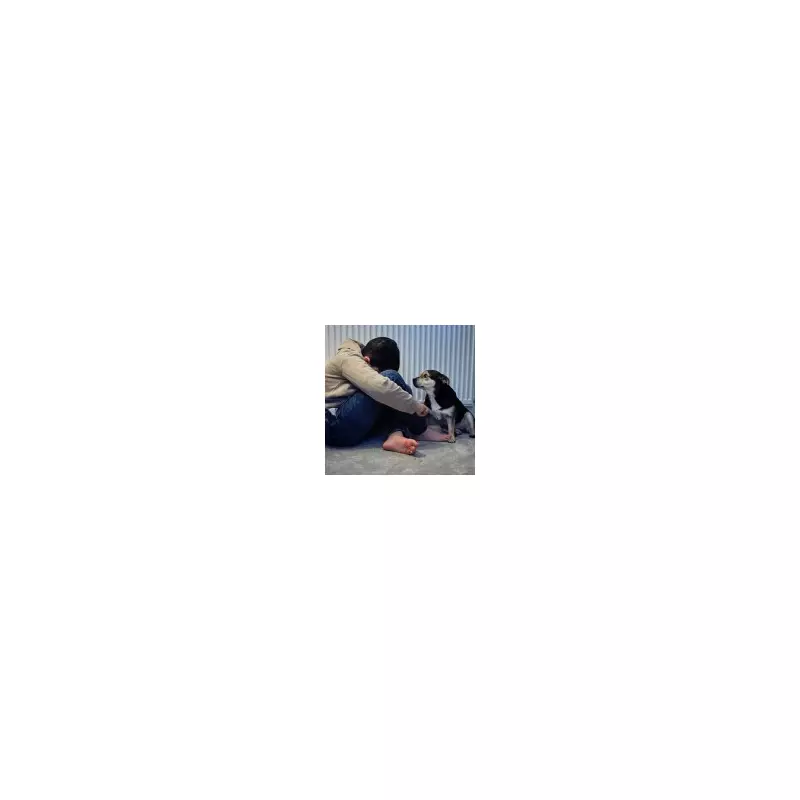
For one family trapped in a home ruled by fear and manipulation, their beloved pets were their sole source of joy. Yet when the moment came to flee relentless domestic abuse, these animals also presented the most painful obstacle to their freedom.
The controlling grip of abuse
The writer, who wishes to remain anonymous, describes a childhood dominated by a father who was verbally and physically abusive. While she and her brothers were targets, their mother bore the worst of the violence, including an incident where she was strangled. The father, a master manipulator, controlled all finances, leaving the mother to scrape by on her disability and carer's allowances to feed the family.
Amid the isolation and terror, comfort came from their seven pets: three cats, two rabbits, and two Beagles. Tragically, even they were not safe from occasional violence. The father wielded their ownership as a threat, stating they were his 'gift' and he could 'take them away just as easily'. In response, the writer installed extra locks on her bedroom door to create a safe space for the animals when she was out.
The impossible choice: freedom or furry family?
As the abuse escalated after the pandemic, with police visits proving futile, the family knew they had to escape. They began packing in secret. However, a stark reality faced them: most temporary housing and domestic abuse refuges do not accept pets. They faced an agonising decision – run to safety and abandon their animals, or stay in danger.
'I would rather have stayed in that toxic environment indefinitely than leave them to be harmed,' the survivor admits. Refusing to give up, she began searching for solutions and discovered vital lifelines: the Cats Protection Lifeline and the Dogs Trust Freedom Project. These UK charities offer free, confidential fostering for pets of those fleeing abuse.
The final piece of the puzzle was finding help for their rabbits. Through the Dogs Trust, she learned of Break Away, an emergency fostering scheme run by the Raystede Centre for Animal Welfare, which cares for a variety of animals, including small pets.
Operation escape: A strategic exodus
With all pets accounted for, the complex escape plan swung into action. As their father threatened eviction, allowing them to pack covertly, they strategically rehomed the animals. The rabbits went first to a friend, the cats were handed to Cats Protection at a neutral point, and the dogs were collected by the Dogs Trust in a supermarket car park. The moment the council called with temporary accommodation, the family threw their suitcases in the car and left.
For three long months, they were separated from their pets, receiving heartening updates every other Thursday. The joyous reunions were staggered: the rabbits first, then the cats a year later, and finally, just weeks after getting keys to a permanent new home, the dogs returned.
'Life finally feels good,' the writer states. She emphasises that projects like Break Away, Cats Protection Lifeline, and the Dogs Trust Freedom Project are essential. They don't just save the lives of pets; they save the humans, too, by removing a critical barrier to escape.




