
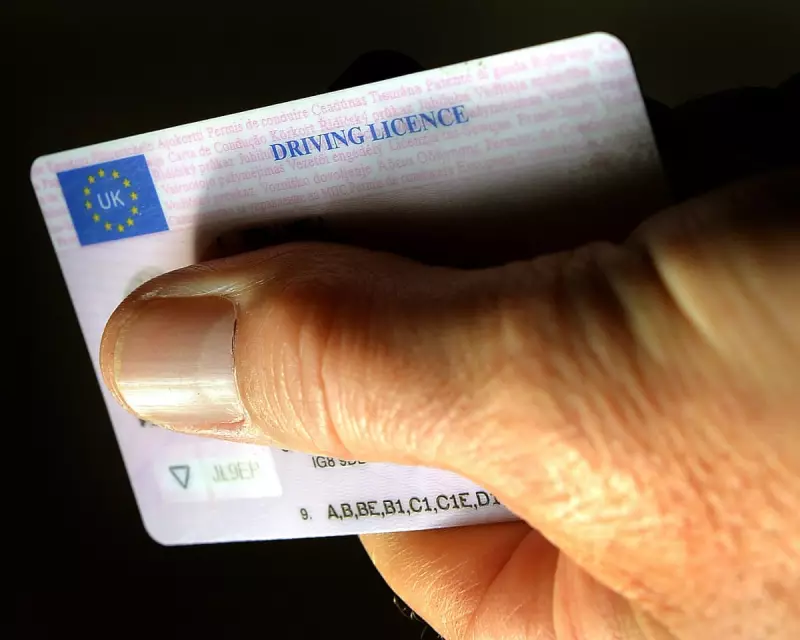
DVLA Licence Revocation Left Father Unable to Reach Dying Daughter in Final Days
A grieving father has revealed how the Driver and Vehicle Licensing Agency (DVLA) revoked his driving licence, leaving him unable to reach his daughter during her final days in end-of-life cancer care. The emotional case highlights serious concerns about the agency's handling of medical driving bans and communication failures.
Rural Isolation and Family Crisis
The father, who wishes to remain anonymous, explained that his daughter entered end-of-life care on Christmas Eve. As her carer and responsible for her two young children, he relied entirely on his car for transport between their rural villages, where no public transport options exist.
"I need a car to get to her at short notice," he said. "But last summer, out of the blue, the DVLA told me I could not drive until December and revoked my licence."
The licence was never returned, creating devastating consequences. He was unable to babysit his grandchildren so their father could accompany his daughter on two late-night emergency hospital trips. "I am about to lose my daughter and I worry about being able to be with her when she dies," he expressed during the ordeal.
Medical Background and Confusing Communications
The situation originated from a minor head injury sustained in a fall last June. Hospital discharge notes advised a two-week driving cessation and notification to the DVLA, which the father complied with immediately.
Initially, the DVLA confirmed over the phone that driving could resume after the fortnight, requesting submission of a medical form with discharge notes. Driving resumed without incident for two months.
Then, unexpectedly, a letter arrived ordering an immediate driving ban until early December, demanding licence return without explanation of what prompted the decision. "It refused to explain what information had prompted the decision," the father noted.
Delayed Reapplication and Agency Inaction
Following DVLA instructions, he reapplied for his licence in October for December reinstatement. December passed without resolution, despite repeated pleas for updates. The DVLA acknowledged his terrible circumstances but merely repeated that his application was being processed.
Only after media intervention did the DVLA contact him the next day, confirming he could drive again. Tragically, his daughter died three days later, though he was fortunately at her side.
Unanswered Questions and Systemic Issues
When questioned, the DVLA failed to address key concerns:
- What medical evidence informed the driving ban decision
- Why there was a two-month delay between deeming him unfit and taking action
- What caused the reinstatement delay
- Whether backlogs contribute to similar cases
The agency stated only that it assesses medical declarations and takes appropriate action, acknowledging applications can be delayed by outstanding information – though the father was never informed this applied to him. It mentioned introducing a new system promising "significant improvements" for drivers with medical conditions.
This case underscores broader issues with DVLA processes affecting vulnerable individuals during critical life moments, raising urgent questions about transparency and efficiency in medical driving assessments.




