
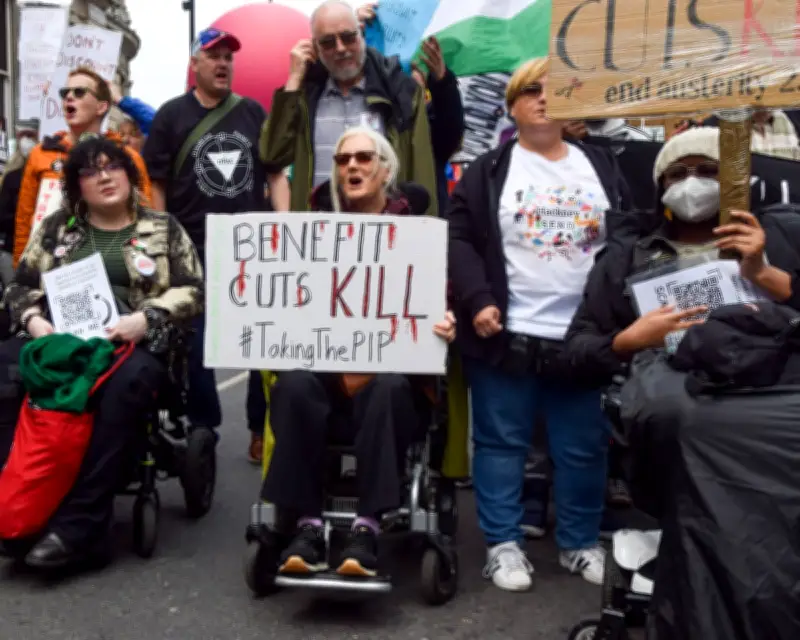
The government's landmark review of personal independence payments (Pip) will conclude that disability benefits in England and Wales are "not fit for purpose" and the entire assessment system must be redrawn as part of a radical welfare overhaul, The Guardian understands.
Review findings on assessment system
The review by disability minister Stephen Timms, commissioned after Keir Starmer's U-turn on welfare cuts, will find that the points-based system of assessment is effectively worthless due to the rising number of new conditions—particularly mental health issues—that fluctuate considerably in severity. The assessment process is described as "dehumanising" for disabled people and actively hinders them from seeking work.
Timms review structure and timeline
Prepared in collaboration with disabled people and charities, the review will be released in two parts. The interim review is expected this week, followed by recommendations this autumn on designing a new system.
The current system awards points based on severity for mobility and daily living activities like washing and dressing. Campaigners argue some criteria, such as navigating a route or planning a budget, were intended for learning disabilities but now cover mental health conditions where ability varies daily.
Implications for welfare reform
The conclusions make it likely the government will not pursue a harsher points-based system but instead explore more root-and-branch welfare reform. The Department for Work and Pensions declined to comment on the interim report. The review's remit is not to find cuts, but its steering committee cannot suggest changes that increase overall welfare spending.
The report will state: "Our message is simple: Pip is not working. It is not working for the people that go through the process, nor for a government committed to supporting disabled people. We are committed to making changes so that Pip can fulfil its purpose for disabled people and those with long-term conditions, both now and into the future. Doing so will require us to be radical in our thinking and bold in our recommendations for reform."
Background and public confidence
The review was commissioned after Starmer's government faced Commons defeat over tighter Pip eligibility rules last summer. It has two co-chairs and a 12-member steering group of people with disabilities or long-term health conditions.
One major finding is that the points-based system has not kept pace with fluctuating and less visible conditions, including physical conditions like cystic fibrosis and arthritis as well as mental health conditions. The review calls for a new system that "adequately reflects the diverse reality and needs of disabled people today."
Pip, a benefit for adults with long-term conditions to meet additional disability costs, is not means-tested. About one in six recipients are employed. Some 4 million adults now receive Pip, double the 2019 figure.
The review's call for evidence over 10 weeks received over 38,000 submissions, mostly from disabled people reporting negative assessment experiences. The government has previously signalled it wants to abolish the work capability assessment and have a single assessment for Pip and the health-based universal credit component, while expanding face-to-face assessments.
The review will stress low public confidence in Pip, saying the assessment process incentivises people to emphasise the worst aspects of their conditions, acting as a barrier to seeking work. It calls for examining how the assessment can respond to fluctuating conditions and help people work where able.
"Public confidence in how the system operates is essential to Pip today and in the future—it is important that the public can see how investment in Pip enables people to participate, contribute and live well," the review will state. "We need to examine how Pip can respond to the rising number of people seeking support and whether it adequately reflects the diverse reality and needs of disabled people today."




