
Blind and Partially Sighted Passengers Confront Rail Travel Challenges in the UK
A recent survey conducted by the Royal National Institute of Blind People (RNIB) has uncovered alarming statistics regarding the difficulties faced by blind and partially sighted individuals when using train services across the United Kingdom. The research highlights significant barriers that contribute to high levels of anxiety and safety concerns among this community.
Platform Gaps Pose Major Safety Risks
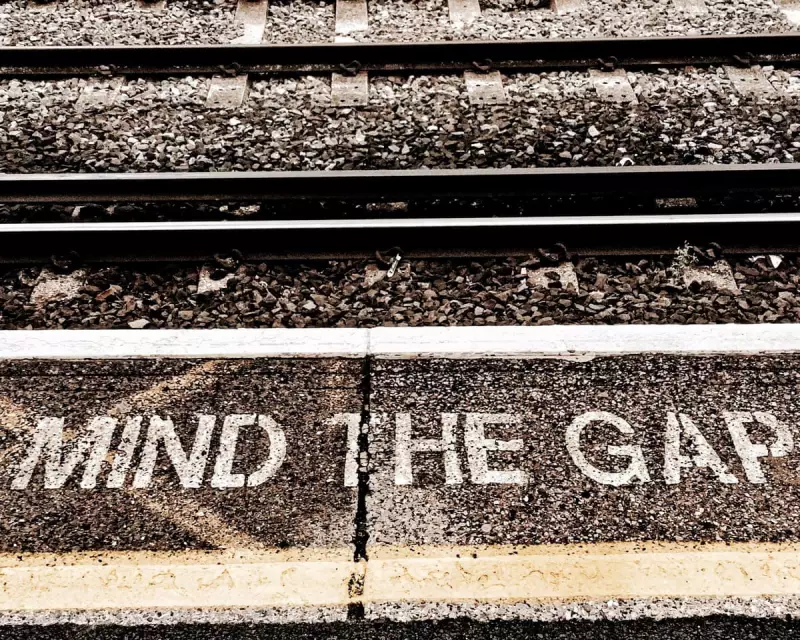
According to the RNIB findings, four in five blind and partially sighted people in the UK have encountered struggles when attempting to cross the gap between trains and station platforms. This issue is not merely an inconvenience; it has led to serious incidents, including falls resulting in injuries. Some individuals have reported being struck by trains, coming into contact with electric rails, or becoming trapped in train doors as the vehicle departs.
One respondent shared a harrowing experience of falling onto the tracks, describing it as "a very lucky escape". Such events underscore the urgent need for improvements in rail infrastructure to ensure passenger safety.
Inconsistent Support and Accessibility Failures
The survey, which involved 1,200 participants, revealed widespread inconsistencies in passenger assistance services. Two-thirds of respondents reported being regularly left stranded at railway stations despite booking assistance in advance. Additionally, three-quarters expressed an inability to rely on rail staff for help and information, while two-thirds were not alerted when train destinations changed during their journeys.
Paul Goddard, a blind individual from East Sussex who frequently travels to London Bridge, voiced his frustrations: "Every time I book assistance through the passenger assistance app, I'm very anxious because I know the assistance is going to fail. No one meets me. You speak to the gate line staff who are often completely disinterested." He added that reclaiming lost ticket money is difficult, leaving passengers out of pocket.
Lack of Tactile Wayfinding and Information Formats
A key factor contributing to these challenges is the scarcity of tactile wayfinding systems in British train stations. Unlike many European nations and Japan, where raised bumps and colours are commonly used to aid navigation, only one-fifth of survey participants had encountered such features in the UK. This deficiency makes it harder for blind and visually impaired people to move independently through stations.
Furthermore, rail companies often fail to provide information in accessible formats. Nearly half of the respondents (42%) prefer purchasing tickets from staff at ticket offices, highlighting the negative impact of recent staffing cuts on accessibility.
Personal Accounts Highlight Systemic Issues
Khadija Raza, a blind disability campaigner, recounted her inconsistent experiences over seven years of solo train travel. At her previous unmanned local station, passenger assistance bookings consistently failed, causing journeys to take hours longer than planned. She now relies on ticket office staff for help, limiting her travel to specific times when they are available.
"I always plan in a lot of 'panic if things go wrong' time," she said. "Even when my train experiences are positive, I'm still exhausted after them, because I constantly think about 'what if this goes wrong, what will happen to me'." Raza contrasted this with more efficient experiences on the London Underground, attributing the difference to a single operator model that may improve coordination.
Calls for Government Action and Training
Erik Matthies, the RNIB's policy lead for travel and transport, who has sight loss, urged the government to embed accessibility into the new railways bill, which will establish Great British Railways. He emphasised that blind and partially sighted people face multiple hurdles, from ticket-buying methods to onboard facilities, all contributing to unsafe journeys.
Recommendations from the report include mandatory disability awareness training for all staff, enhanced station accessibility, and more informative audio announcements. As Raza pointed out, "When something goes wrong, we're usually the last people to know, and we're the ones who need to know."
This survey serves as a critical reminder of the ongoing need for inclusive transport policies that prioritise the safety and independence of all passengers, particularly those with visual impairments.




