
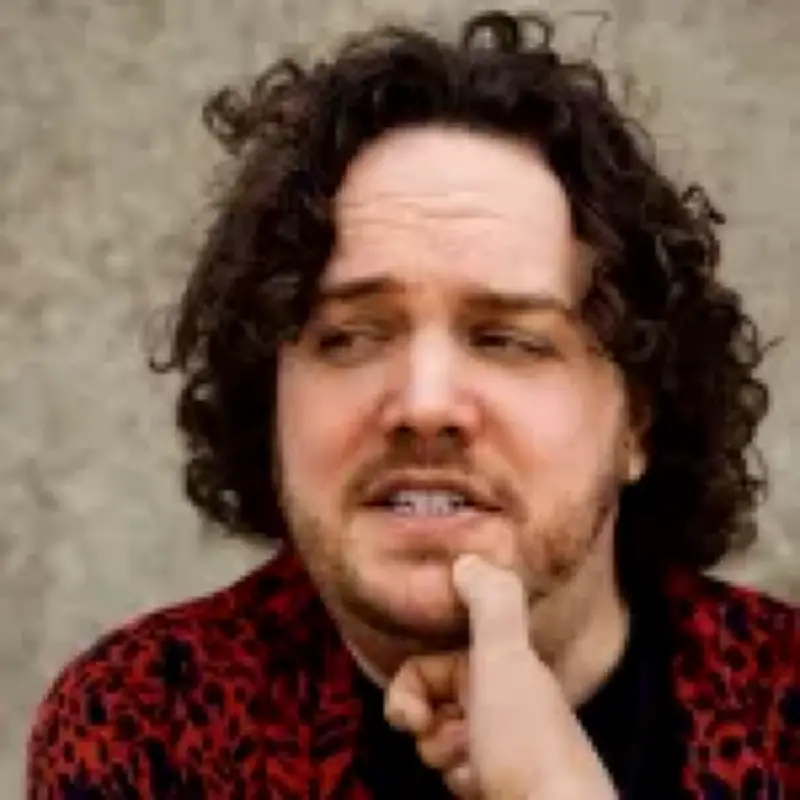
Comedian and writer Joe Wells has described himself as a “traitor to Britain” for his lifelong aversion to pubs, a stance he now understands through his autism diagnosis received in his late 20s. Writing for Metro, Wells explains that his student flat in Portsmouth was a “dive” with stains on the carpet, unwashed dishes, and a shower that only offered freezing or scalding water, yet he loved it as a palace after 18 years with his parents.
Why the pub was hell for an autistic student
Wells, who was sensitive to noise from childhood, found his autism diagnosis in his late 20s clarified why he struggled to make friends as a kid. He recalls that conversations were easier when discussing niche interests, but at school in the early 2000s, few peers shared his fascination with French American artist, chess player, and inventor Marcel Duchamp.
That changed when he started an English degree at the University of Portsmouth. His course mates were “pretentious nerds” who shared his love for artsy films and obscure bands. “For the first time in my life, I had friends who I really liked spending time with,” Wells writes. However, these friends enjoyed going to the pub, which Wells describes as “a crowded space with people who talk over each other, with loud background music and occasional impromptu group singing” – his “idea of hell.”
Pre-drinks as an accessible quiet space
Wells stayed sober throughout his degree, fearing that drinking would make him lose control and say or do something weird. He notes the irony that being a teetotal British student singles you out as strange. To delay pub visits, he would prolong pre-drinks in his student house, which he calls “my accessible, quiet space.” Pre-drinks involved shop-bought drinks, a Nintendo Gamecube (playing MarioKart, which he defends as the best version), and a pint glass of store-bought cola.
He would use tactics to extend pre-drinks, such as cooking oven pizzas, pouring new drinks, or suggesting they explore the loft – an activity that lasted hours without injury, involving balancing on a beam and examining strange photos. On one occasion, an authentic shisha pipe became a tool to make pre-drinks last longer, but after ten minutes he accidentally knocked it over and burnt the carpet. “Often the things which can make the world more accessible for autistic people are free and easy to do. This one cost me my entire house deposit,” he writes.
Re-evaluating pubs in his 30s
Now in his 30s, Wells is revisiting things he dismissed when young, including pubs. He realised it wasn’t pubs themselves he hated, but “the noise, sweat and smell coupled with the unpredictability of drunks.” He now drinks alcohol, having lost the fear of people seeing the real him after a couple of rosés. Sitting in a quiet country pub with sheep grazing outside, a log fire, and upmarket crisps, he worked on his latest book and thought: “This is even better than pre-drinks.”
Wells shares his story to highlight how simple, free adjustments can make spaces more accessible for autistic people, though his shisha pipe incident cost him his deposit. He invites readers to share their experiences by emailing Ross.Mccafferty@metro.co.uk.




