
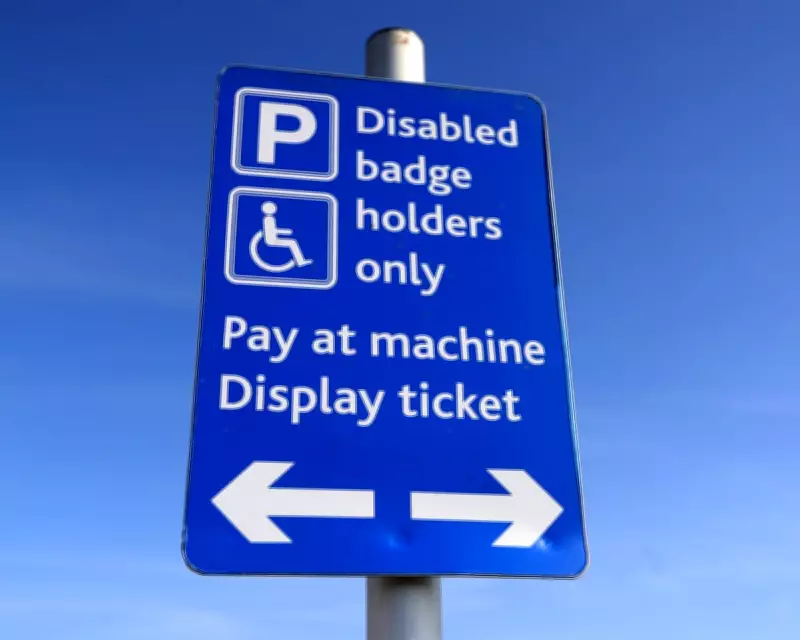
AA Demands Crackdown on Blue Badge Fraud as Misuse Rises in England
The AA has called for increased efforts to detect offences involving fake or stolen blue badge parking permits, as the proportion of adults holding these permits in England reaches one in 15. Councils are being urged to intensify enforcement against misuse, which includes both legitimate and counterfeit badges, to protect the scheme designed for people with disabilities and health conditions.
Growing Concerns Over Fraud and Misuse
Edmund King, the AA’s president, emphasized that the blue badge scheme is a mobility lifeline for millions of legitimate users. However, he highlighted estimates suggesting that up to one in five badges may be used by someone other than the holder or an authorized user. Fraudulent activities include family misuse, use after death, counterfeit badges, and theft and resale of badges. King welcomed a crackdown on illegitimate use to safeguard deserving users.
Recent data from the Department for Transport (DfT) shows that 3.07 million blue badges were held as of 31 March last year, accounting for over 6% of England’s estimated 46 million adults. The permits, which must be renewed every three years, help individuals park closer to shops and services, and in London, they exempt holders from the £18 daily congestion charge.
Regional Variations and Eligibility Changes
The DfT data revealed regional disparities, with the north-east having the highest percentage of badge holders at 6.1%, while London had the lowest at 3.5%. In 2019, eligibility criteria were expanded to include people with non-visible conditions such as Parkinson’s, dementia, and epilepsy, beyond those with visible disabilities. More than two-fifths of badges issued in 2024/25 were awarded without further assessment.
Permits often allow holders to park free in pay-and-display bays and for up to three hours on single and double yellow lines, depending on the location. Despite the benefits, fraud remains a significant issue, with the now-defunct National Fraud Authority estimating the cost at £46m per year in 2011, though recent figures are unavailable.
Council Prosecutions and Public Involvement
Several councils have reported prosecutions for blue badge misuse in recent months. For example, Croydon council in south London ordered seven offenders to pay nearly £6,000 in fines, court costs, and victim surcharges in January, involving stolen, counterfeit, or misused badges. In September, Oxfordshire county council convicted a man for using his dead grandmother’s badge.
A Local Government Association spokesperson noted that while most badges are used correctly, a small minority fraudulently use others’ badges to save money or out of laziness, depriving those with genuine needs. They urged residents to report suspected illegal use, acknowledging that disabilities might not always be obvious.
Government Response and Future Measures
A DfT spokesperson stated that exploitation and abuse of the blue badge scheme are completely unacceptable and constitute a criminal offence. Local authorities have been granted improved powers to combat fraud and misuse in their areas and collaborate closely with the police to enforce regulations.
As the number of badge holders grows, ongoing vigilance and enforcement are crucial to maintaining the integrity of this essential mobility aid for people with disabilities across England.




