
Blue Badge Scheme: Understanding Automatic Eligibility for Disabled Parking
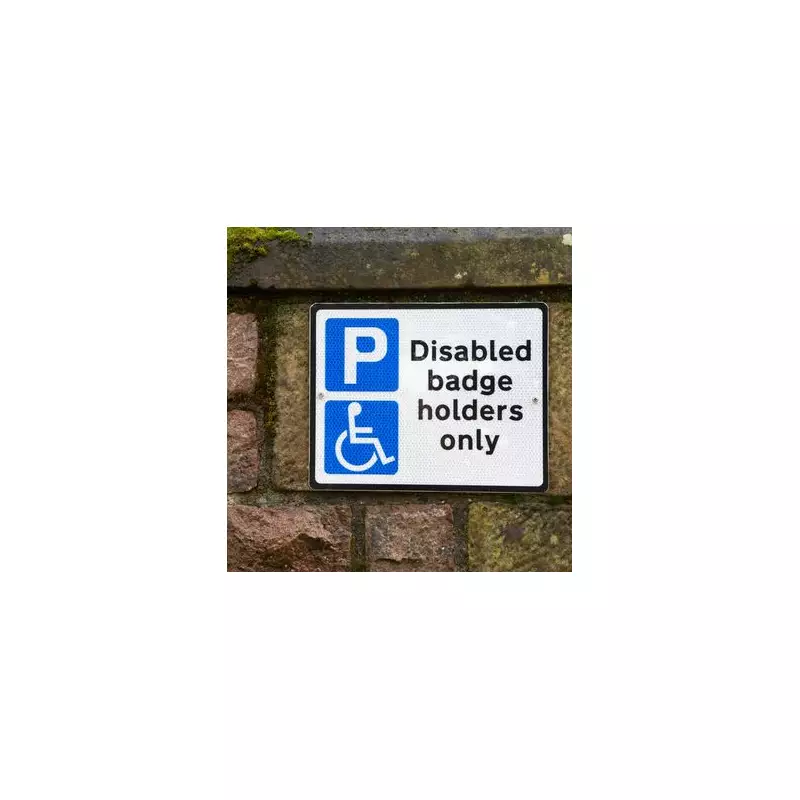
The Blue Badge scheme represents a vital lifeline for individuals across the United Kingdom who face mobility challenges or disabling health conditions. This government initiative provides essential parking concessions, including the ability to park on double yellow lines and in designated disabled bays, thereby facilitating easier access to social engagements, medical appointments, and daily necessities.
Seven Key Groups That Automatically Qualify
According to the Department for Work and Pensions (DWP), there are seven distinct groups of people who are automatically eligible for a Blue Badge, bypassing the need for a more extensive assessment process. These groups include:
- Individuals who are officially registered as blind.
- Carers responsible for blind children aged over two years.
- Recipients of the higher-rate mobility component of Disability Living Allowance (DLA).
- War pensioners who receive a mobility supplement as part of their pension.
- Armed Forces compensation scheme recipients with permanent and substantial disabilities.
- Personal Independence Payment (PIP) claimants who score eight points or more in the 'moving around' assessment category.
- PIP claimants who score ten points in the 'planning and following journeys' category and are classified under descriptor 'E', which relates to psychological distress that prevents them from undertaking any journey.
Additional Eligibility Pathways and Application Details
Beyond these automatic qualifications, the scheme also accommodates individuals with long-term walking difficulties or severe arm impairments, though they must navigate a more detailed application procedure. Furthermore, children over the age of two with mobility issues, or those under three who require access to disabled parking due to specific health conditions, are also eligible for a Blue Badge.
Applications for a Blue Badge must be submitted through the applicant's local council, either via the GOV.UK online portal or through traditional paper forms. The cost for applying is capped at a maximum of £10, making it an accessible option for those in need.
Essential Documentation and Processing Times
Prospective applicants should be prepared to provide several key documents, including their National Insurance number, proof of identity and address, a recent photograph, and any relevant benefit decision letters. For those opting for postal applications, Citizens Advice strongly recommends sending copies rather than original documents to mitigate the risk of loss during transit.
It is important to note that processing times can be lengthy. Citizens Advice advises that if you have not received a response within 12 weeks of submission, you should proactively contact your local council for an update.
Renewal and Compliance Requirements
Blue Badges are valid for a period of three years and must be renewed upon expiration to maintain parking privileges. Additionally, any unused or expired badges must be returned to the issuing authority to avoid potential fines of up to £1,000. During the application or renewal process, some individuals may be asked to undergo a mobility assessment or provide further information to support their claim.
This comprehensive overview underscores the critical role of the Blue Badge scheme in enhancing independence and accessibility for disabled individuals and those with significant mobility constraints across the UK.




