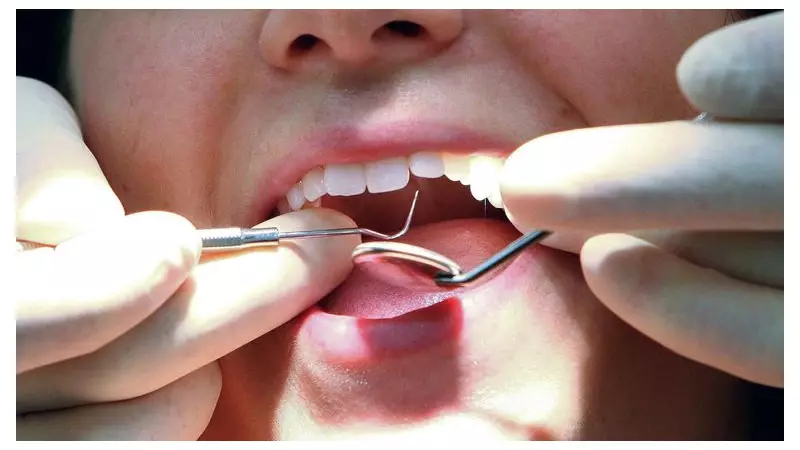
The government has announced a significant change to how dentists in England are paid for treating patients with urgent needs. Under new reforms, practitioners will receive higher fees for providing urgent NHS care, aiming to make it easier for people in severe pain to get an appointment.
Reforms Aim to Ease Access and Save Patients Money
The Department of Health and Social Care (DHSC) states that the dental reforms could help millions of patients and save each one approximately £225. The changes, part of a wider NHS dentistry plan, are designed to incentivise dentists to offer more urgent care slots for issues like severe pain, infections, or dental trauma.
Furthermore, patients requiring complex treatments, such as for severe gum disease or decay across multiple teeth, will now be able to book a single, consolidated package of NHS care. This move away from spreading treatment over numerous appointments is intended to simplify the process for those with the most serious conditions.

Think Tank Proposes £150 Vouchers to 'Save NHS Dentistry'
The announcement follows a report from the think tank Policy Exchange, which suggested introducing universal dental vouchers worth £150 a year. The proposal aims to "end the postcode lottery" of dental care access and, according to the group, could "save NHS dentistry" and "fix our national smile".
Gareth Lyon, head of health and social care at Policy Exchange, described the current state of NHS dentistry as "truly shocking". He highlighted that a majority of people are not receiving NHS dental support, citing figures showing that in the two years to March 2024, only 40% of adults (18 million people) and 57% of children (6.6 million) accessed an NHS dentist.
Dental Leaders Reject Voucher Plan Amidst Worsening Oral Health
The British Dental Association (BDA) has firmly rejected the Policy Exchange voucher idea. Its chair, Eddie Crouch, dismissed the proposal, saying it came "with the sound of barrels being scraped". He argued that while the NHS desperately needs investment, this policy "would not end dental deserts" and "could easily mean spending more money on less access".
The debate over access comes against a bleak backdrop for the nation's oral health. Recent figures from the Adult Oral Health Survey revealed that more than four in ten adults (41%) in England had obvious signs of tooth decay when examined. This marks a sharp increase from 28% in 2009 and returns decay levels to those last seen in the late 1990s.
The government's wider plan also includes measures like more supervised toothbrushing programmes for three to five-year-olds. However, with access figures stagnating and decay rising, the success of these new payment reforms for urgent care will be closely watched by patients and professionals alike.