
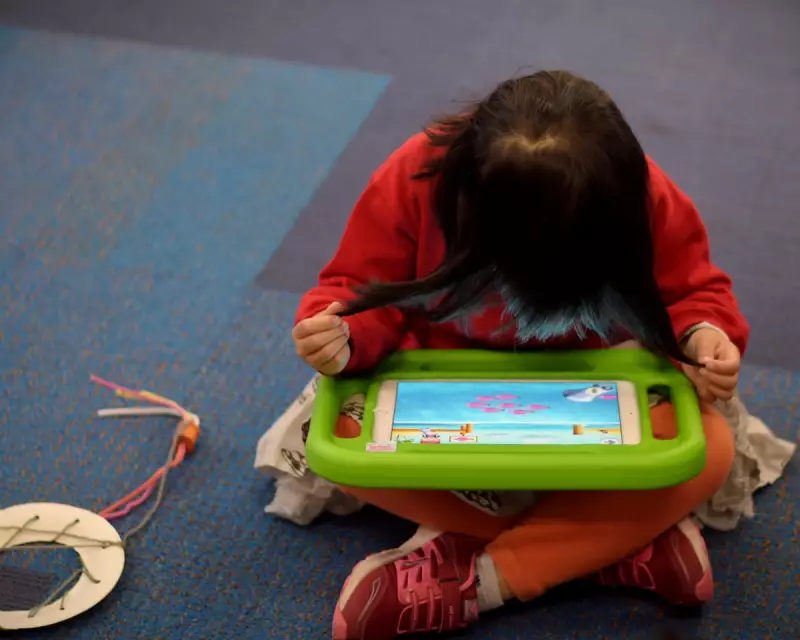
The first ever UK government guidance on screen use for young children, expected in April, is urgently needed to address growing concerns about the impact of smartphones and tablets on the nation's youngest citizens. The laissez-faire approach to the digital boom has proven particularly unsuitable when such devices are placed in front of babies and toddlers, with mounting evidence pointing to significant developmental risks.
Alarming Statistics from Groundbreaking Study
The Department for Education's ongoing Children of the 2020s study has revealed that 98% of two-year-olds watch screens for more than two hours on a typical day. Those children who spent the most time with screens demonstrated smaller vocabularies and were twice as likely to show signs of emotional and behavioural difficulties compared to their peers.
Correlation Versus Causation in Early Development
While correlation must not be mistaken for causation in this relatively new area of research, the findings from a recent survey by the charity Kindred Squared, combined with teacher observations, paint a concerning picture. The survey of 1,000 primary school staff revealed that 37% of four-year-olds arrived without basic life skills such as dressing and eating in 2025 – a significant increase from 33% just two years earlier.
Multiple Factors Affecting Early Development
The charity emphasises that screens are not the only issue affecting young children's development. Stresses caused by the high cost of living, cuts to local early years services, and other socioeconomic factors all contribute to the quality of the youngest children's lives. However, many teachers and their unions, including the NASUWT, believe the impact of screens must be specifically addressed, encouraging both parents and children to prioritise traditional activities over digital engagement.
International Recommendations and Practical Challenges
The World Health Organization recommends that children under two should not use screens at all, though such prohibitions are unlikely to be heeded by the majority of families. Ministers could adopt a more ambitious approach by clearly explaining the importance of early speech, communication, and emotional development while providing practical support to parents who need it.
Broader Regulatory Context and Political Responses
The debate around digital regulation has shifted dramatically following recent controversies, including the nudification scandal involving Grok and X. Business Secretary Kemi Badenoch has thrown her party's weight behind implementing an age limit of 16 for social media apps, following Australia's example. With several Labour MPs expressing sympathy for such measures, the government faces increasing pressure to act.
Distinguishing Between Different Digital Threats
Those pushing for tougher regulations correctly identify that existing rules contain significant gaps. Age verification should have been introduced sooner, and addictive features should never have been permitted on children's accounts. However, there is a risk that different issues may become confused in the rush to address current concerns. The impact of screens on preschool children involves different considerations than social media's effect on teenagers, with the former focusing on what developmental activities are being replaced.
The Need for Comprehensive Digital Oversight
Ofcom's prompt response to the Grok and X nudification outcry represents a positive step forward. While restrictions on under-16s' social media use may be justified, and warnings about screens and toddlers should be heeded, the broader message emerging from recent weeks is clear: democratic oversight of the technology industry needs to accelerate significantly to protect vulnerable users across all age groups.




