
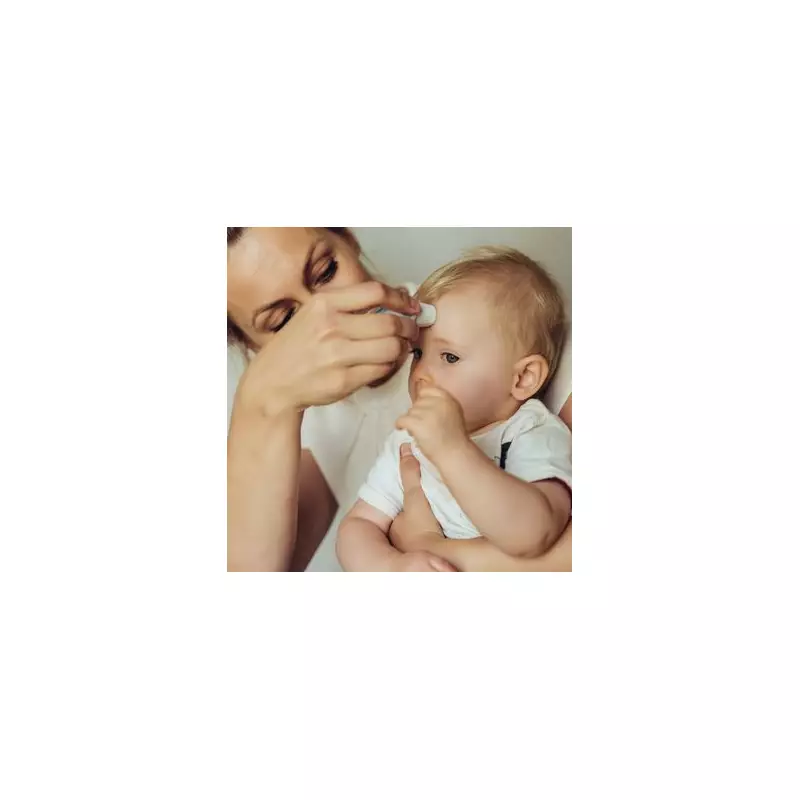
Health experts are issuing a fresh warning about a widespread winter virus that mimics a common cold but can develop into a serious health threat for infants and young children.
What is RSV and who is at risk?
Respiratory Syncytial Virus (RSV) is an extremely common infection, affecting nearly all children at least once before they reach the age of two. While healthy adults typically experience mild, cold-like symptoms, the virus can be far more dangerous for the very young.
The primary concern is that RSV can lead to bronchiolitis, a lower chest infection that inflames the small airways in the lungs. This condition predominantly affects babies and children under two years old.
Recognising the symptoms and serious complications
Parents are urged to be vigilant for signs of RSV in their children. Initial symptoms are often similar to a common cold and can include frequent sneezing, a runny or blocked nose, a cough that may worsen, and a high temperature accompanied by sweating or shivering.
As the infection progresses, more concerning signs can emerge. These include noisy breathing, difficulty feeding, loss of appetite, shortness of breath, and general tiredness.
The NHS advises that severe complications require immediate medical attention. Parents should call 999 or go to A&E if their child exhibits breathing difficulties, has pauses in their breathing, or if their skin, especially around the lips or face, begins to turn blue. In serious cases, RSV can also develop into pneumonia, a severe lung infection that may necessitate hospital treatment for babies.
Treatment and prevention for the virus
Currently, there is no specific cure for an RSV infection. Most cases are mild and clear up on their own within about two weeks, with care managed at home.
To alleviate discomfort, the NHS recommends giving children suitable paracetamol or ibuprofen if they have a high temperature. For a blocked nose, saline drops available from pharmacies can help. Ensuring the child stays well-hydrated is also crucial.
Some infants may be eligible for a protective injection that helps them develop antibodies against the virus. It is important to note that this does not prevent infection entirely but works to reduce the risk of serious complications should the child contract RSV.
The virus spreads through the coughs and sneezes of infected individuals, much like the flu or a common cold. Practising good hygiene can help reduce transmission.




