
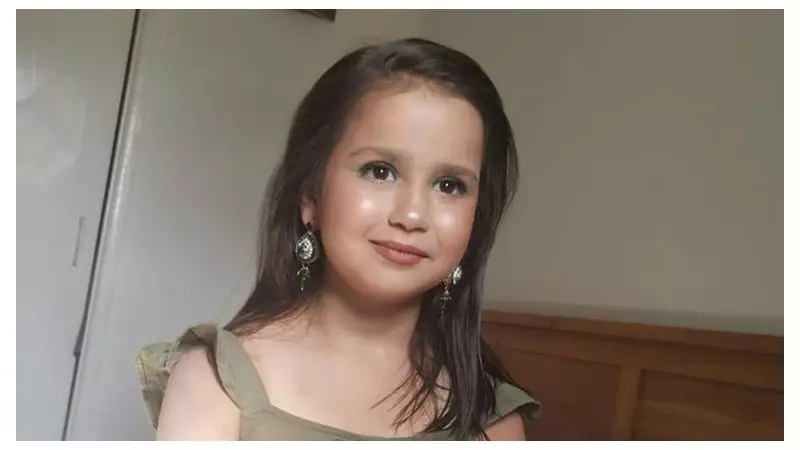
Lethal Combination: How the System Failed Sara Sharif
A devastating independent report has concluded that 10-year-old Sara Sharif should never have been placed in the care of her father and stepmother, describing the pair as a "lethal combination". The review, published in December 2024, exposes years of catastrophic safeguarding failures by authorities that left the schoolgirl trapped with her killers.
A History of Missed Warnings
Sara was murdered by her father, Urfan Sharif, and stepmother, Beinash Batool, in August 2023 after enduring what an Old Bailey judge later described as "torture". Her body was discovered in a bunk bed at the family home in Woking, Surrey, after Sharif made a distressed 999 call from Pakistan.
The post-mortem examination revealed a harrowing catalogue of injuries. Sara's body was covered in fractures, bruises, and burns. In the weeks leading to her death, she had been beaten with objects including a cricket bat and a metal pole, and burned with an iron. She had also sustained a traumatic head injury.
The report reveals that Sara was known to social services from birth and had been twice placed in foster care by the age of three. Throughout her short life, she was moved between the custody of her father and mother, with both parents making mutual allegations of abuse.
Systemic Failures Across Multiple Agencies
The local Child Safeguarding Practice Review concluded unequivocally that "the system failed Sara", citing failures across social services, the NHS, and the education system. The report stated: "Sara's death was not caused by one specific malfunction within the safeguarding system. Numerous factors came together over many years, which cumulatively laid the foundations for the severe abuse she experienced."
The report's key findings include:
- Authorities were aware that Urfan Sharif was a "serial perpetrator of domestic abuse", yet this critical information was "overlooked, not acted on and underestimated by almost all professionals".
- A 2019 court hearing that granted Urfan custody of Sara proceeded despite these known risks.
- When Sara's primary school reported bruising on her face to social services in the spring of 2023, the case was closed after just six days. Sara was then withdrawn from school entirely.
- Multiple opportunities for information sharing between agencies were missed.
- There was no evidence that race, culture, religion, or heritage were properly considered in case decisions. Sara's Polish mother was left without a translator during court proceedings.
Apologies and Demands for Change
In response to the report, the Surrey Safeguarding Children Partnership stated that all involved agencies take the findings "extremely seriously" and would work urgently to create a joint action plan.
The report contained 15 recommendations for systemic improvement, including:
- Calls for the Department for Education to close loopholes that allow at-risk children to be withdrawn from school.
- Demands for better training for safeguarding teams to understand the manipulative behaviours of domestic abusers.
- Requirements for more robust, joined-up processes when children are first referred to social care.
- Emphasis on the proper consideration of culture, race, and language in all safeguarding decisions.
Terence Herbert, Chief Executive of Surrey County Council, issued a statement saying: "We are deeply sorry for the findings in the report related to us as a local authority. We have already taken robust action to address those relating to Surrey County Council, and that work will continue with every recommendation implemented in full."
Urfan Sharif and Beinash Batool were sentenced to minimum terms of 40 and 33 years respectively for Sara's murder. Sara's uncle, Faisal Malik, received a 16-year prison sentence after being found guilty of causing or allowing her death.




