Romania's Gambling Crackdown: Local Councils Gain Power to Ban Betting Shops
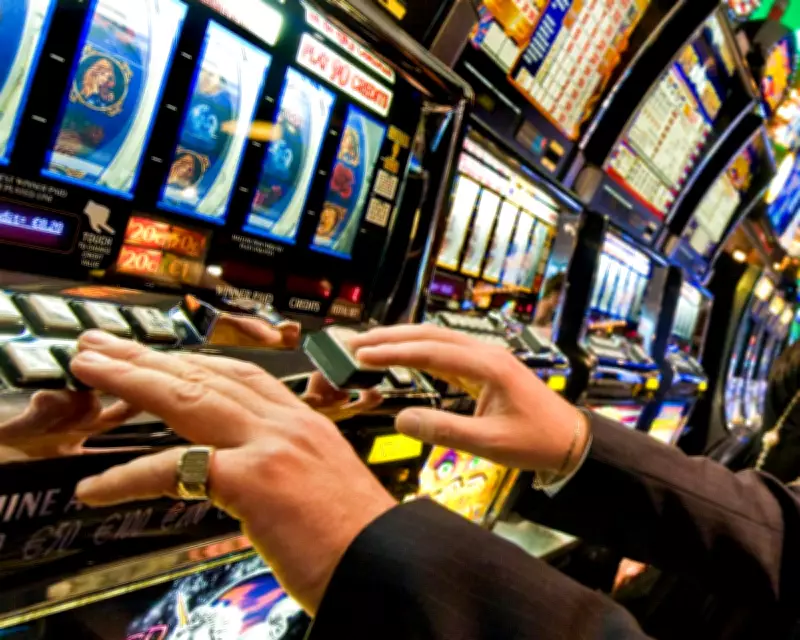
In a significant regulatory shift, Romania's government has introduced an emergency decree that empowers municipalities to restrict or ban betting shops and slot machine halls nationwide. This move marks the most substantial tightening of the gambling industry in the country's history, responding to years of public outcry over the proliferation of gambling venues.
Decentralized Control Over Gambling Operations
Under the new regulations, licensed gambling operators must now secure not only a national permit but also local authorization to open any venue. This change grants mayors and local councils a decisive veto power, enabling them to reject new establishments or impose strict conditions on existing ones. Officials estimate that over 200 localities could pursue full bans, with at least nine cities already signaling plans to eliminate gambling halls entirely.
The gambling sector in Romania has experienced rapid expansion, with tens of thousands of slot machines and betting outlets operating across the country, particularly in the capital, Bucharest. Previously, gambling halls were authorized centrally without requiring city approval, leaving communities powerless as venues multiplied near schools and residential areas.

Public Health and Social Costs Drive Legislative Change
Diana Stoica, an MP for the Save Romania Union party who led the legislative campaign, emphasized the public health implications. "From now on, local authorities can clearly say 'yes' or 'no'," Stoica stated. "If they say yes, they can decide exactly where these venues can operate and under what conditions." She highlighted that gambling addiction has the highest suicide rate among all addictions, arguing that the Romanian state has allowed the industry to explode over the past two decades at great social cost.
Stoica pointed out the previous regulatory framework treated gambling more leniently than other businesses, noting that opening a flower shop required a permit from city hall, while gambling venues did not. Years of complaints from residents and civil society fueled the political push, with Stoica explaining, "People write to us constantly; entire families are affected by addiction. We turned those messages into legislation."
Local Leaders Take a Stand Against Gambling
In Slatina, a city in southern Romania, Mayor Mario De Mezzo has vowed to eliminate all gambling halls as existing licenses expire. "The simplest solution was to eliminate these businesses entirely from the city. They are toxic for society," De Mezzo said. He described witnessing devastating effects, including family breakdowns and children going hungry due to parental gambling losses. In one tragic case, a 27-year-old man from Slatina committed suicide after losing large sums, which De Mezzo cited as a pivotal moment in his decision to pursue a ban.
De Mezzo rejected arguments that cities would lose valuable revenue from gambling taxes, stating, "If saving even one life means postponing the paving of three streets until next year, it's worth it." The Romanian gambling sector is a multibillion-euro market, generating close to €1 billion in state taxes in 2025, though official audits have identified millions in uncollected revenue.
Broader Regulatory Measures Under Consideration
Beyond local bans, the Romanian parliament is debating additional restrictions on gambling. Proposed measures include banning individuals under 21 from gambling halls, limiting online gambling advertisements to hours between 6am and midnight, capping losses at 10% of declared income, and restricting ads aimed at children. These discussions follow last year's move by Romania's media regulator to ban celebrities and influencers from appearing in gambling ads.
In Bucharest, Mayor Ciprian Cucu indicated he would consult the local council before deciding on a ban, suggesting gambling venues might be limited to specific areas such as the Old Town. However, he emphasized this was only one idea under consideration.

This comprehensive crackdown reflects a growing recognition of the social harms associated with gambling, shifting the focus from economic benefits to public health and community well-being. As local authorities gain control, Romania stands at a crossroads in its approach to regulating an industry that has long operated with minimal oversight.