
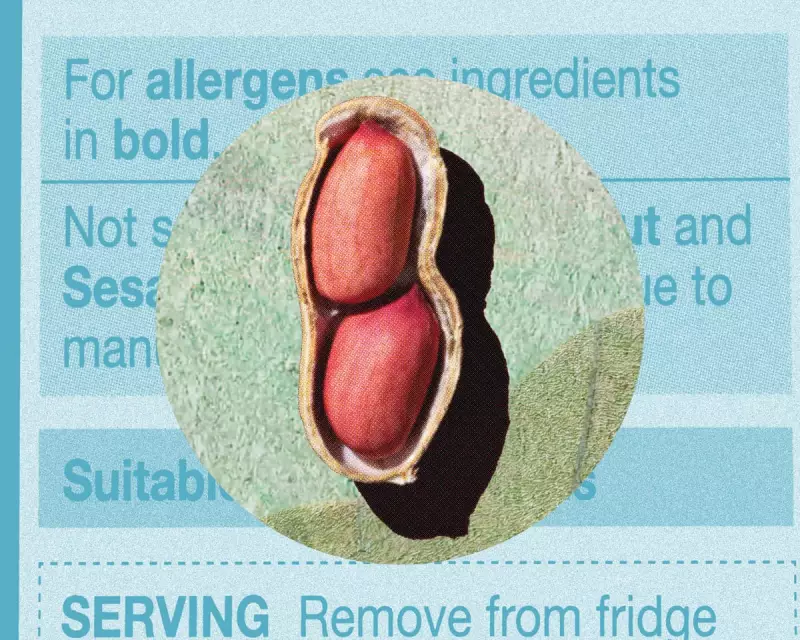
In a remarkable public health turnaround, peanut allergy diagnoses among children have plummeted by over 40% since 2017, according to groundbreaking research published in the Journal of Pediatrics. This dramatic shift follows a complete reversal in medical guidance about when babies should first encounter common food allergens.
The Great Reversal: From Delay to Early Introduction
For decades, parents received starkly different advice. Throughout the 1990s and early 2000s, healthcare professionals urged families to avoid giving children peanuts until they reached at least three years old. This well-intentioned guidance aimed to prevent allergic reactions but ultimately had the opposite effect.
The turning point came in 2015 with the landmark LEAP (Learning Early About Peanut allergy) study published in the New England Journal of Medicine. This blockbuster research revealed that introducing peanuts to infants as young as a few months old could reduce their risk of developing the allergy by an astonishing over 80%.
"A common misconception about food allergies is that delaying the introduction of allergenic foods may help prevent them," explains Dr Stanislaw Gabryszewski, an attending physician at the Children's Hospital of Philadelphia and co-author of the recent paper. "We now have strong evidence showing the opposite – that introducing peanuts and other common allergens early in infancy can actually reduce the risk."
Understanding Food Allergies and Their Rise
Food allergies occur when the body's immune system mistakenly identifies certain foods as harmful invaders. Dr Hemant Sharma, chief of allergy and immunology at Children's National hospital, explains: "When someone has a food allergy, their body makes antibodies called immunoglobulin E (IgE), directed against the food allergen."
This immune response triggers symptoms ranging from hives and itching to vomiting, diarrhea, and potentially life-threatening anaphylaxis involving breathing difficulties.
The statistics reveal a concerning historical trend. Before the 1990s, peanut allergies were relatively rare. However, rates doubled during the late 1990s and early 2000s. One 2009 study documented UK childhood peanut allergy rates rising from 0.5% to 1% between 1989 and 1994-1996, while US rates increased from 0.4% to 0.8% between 1997 and 2002.
Practical Guide for Parents: Introducing Allergens Safely
Current guidelines from the American Academy of Pediatrics recommend introducing peanuts as early as four to six months of age. Children with eczema or existing egg allergies face higher risk and may benefit from consulting a specialist first.
Experts emphasise there's no precise formula for amount and frequency. Dr Sharma advises that "an age-appropriate amount introduced 'early and often' is generally recommended."
Safety remains paramount. Babies should have adequate head control and swallowing ability before trying solids. Whole peanuts pose choking hazards, and peanut butter can be difficult for infants to swallow. Dr Gabryszewski suggests thinning peanut butter with water or breast milk, "working towards about 2 tsp a few times a week."
During introduction, watch closely for allergic reactions. Mild symptoms like rashes can usually be treated with antihistamines, but vomiting, coughing or breathing difficulties require immediate medical attention.
Consistency proves crucial. If a child tolerates a food initially but then stops eating it regularly, they might still become sensitised later. Experts recommend prioritising foods that families regularly consume themselves.
While early introduction significantly reduces risk, Dr Gabryszewski cautions that it doesn't guarantee prevention. "More research is needed on both prevention and treatment of these allergies," he notes, while expressing optimism about the recent findings: "This is a heartening indication that our growing emphasis on early introduction has been accompanied by a reduction in peanut allergy."




