
For countless families across the UK, the final school bell of the term signals more than just the start of summer. It heralds a profound and welcome liberation from the relentless, diary-dictating treadmill of children's extracurricular commitments.
The Term-Time Treadmill: A Parent's Second Job
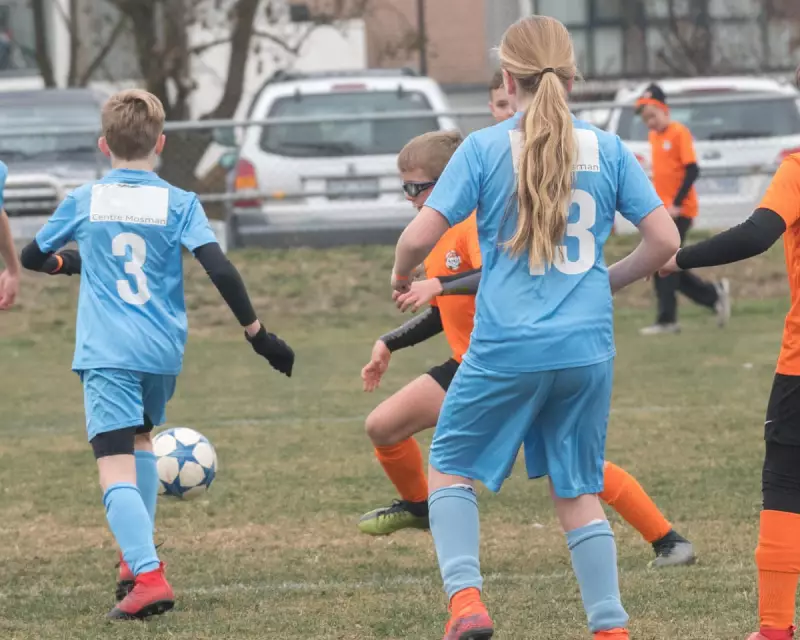
Author and mother of three, Saman Shad, articulates a familiar modern reality. The weekly schedule is a masterclass in logistics: 7am basketball training, before-school music lessons, swimming, Scouts, and impromptu 'make-up' classes that appear from nowhere. For many parents, ferrying children from one structured activity to another becomes a de facto second job, performed on top of paid employment.
This is driven by a well-intentioned desire to provide the best for our children. Organised sport, music, and clubs are linked to improved confidence, social skills, and physical health. The pressure to participate is palpable, fuelled by the fear of children 'missing out' or succumbing to excessive screen time. The family calendar becomes a complex game of Tetris, where any empty slot feels like a minor victory or a looming oversight.
The Unspoken Joy of the Final Whistle
However, Shad highlights a feeling seldom celebrated loudly enough: the sheer, unadulterated relief that arrives with the last lesson of the term. It means no more forgotten uniforms or panic-bought swimming caps. It signals the end of waiting on poolside benches or sports field sidelines, pretending not to check work emails. Most importantly, it means the boot of the car is finally free from fermenting wet towels and forgotten kit bags.
When the structured commitments cease, something transformative occurs. Time, that most precious and scarce commodity during term, suddenly opens up. While the long summer holidays present their own childcare challenges, they also offer long, unstructured stretches where no one has to be anywhere at a specific time.
Rediscovering Civilisation in the Chaos
This pause allows families to reset. Mornings lose their frantic edge. Evenings are no longer governed by the blow of a whistle or the chime of a lesson bell. There is space for the much-maligned but creatively vital state of boredom, where a child might dramatically proclaim there's 'nothing to do' while surrounded by toys.
Dinners are eaten at a table, at home, often while seated—a simple pleasure that becomes a rarity during term. The constant, cross-suburb dashes cease. Parents exhale. Children decompress. The entire family unit operates, however briefly, in a less managed, less scheduled state.
Valuing Activity, But Cherishing the Pause
This is not a dismissal of extracurricular activities, which provide immense value in routine, skill-building, and joy. Rather, it's a recognition of the essential counterbalance. The end-of-year wind-down serves as a crucial reminder that sometimes the greatest gift for a family is a collective pause.
So, as Shad writes, bring on the holidays. Bring on the blessed, activity-free weeks where the calendar lies blank and the car remains parked. It is a seasonal reset that restores sanity, allowing everyone to breathe before the familiar, welcome chaos of clubs and commitments resumes in the new year.




