
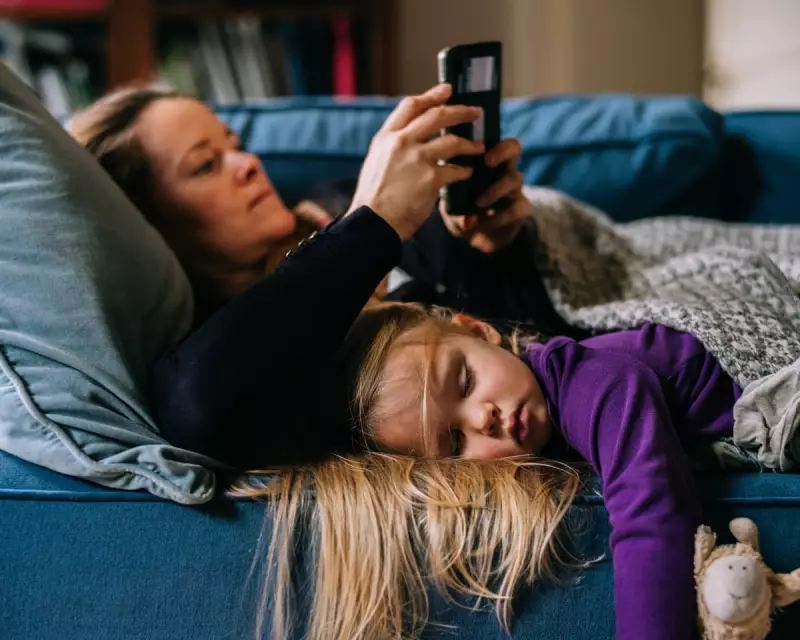
Many parents were warned about sleepless nights and identity loss, but few were prepared for the unique torment of the parent WhatsApp group. What began as a practical tool for school updates has transformed into an overwhelming digital burden that's changing modern parenting dynamics.
The Relentless Stream of Digital Chatter
Sean Szeps, a writer and content creator, describes waking up to messages, going to sleep to messages, and returning from brief meetings to find 64 unread notes about sunscreen. Parent WhatsApp groups have become what he calls 'Satan's Slack channel' – a constant flow of chatter that leaves no room for digital boundaries.
Unlike previous generations who received information through crumpled notes in backpacks and casual conversations at school pickup, today's parents are expected to be permanently available. They refresh their phones late at night to discover urgent requirements for Harmony Day or debate uniform policies with dozens of near-strangers.
The Performance of Modern Parenting
These groups have created a theatre of parenting where every 'thanks for the reminder' serves as performance rather than genuine gratitude. Parents feel pressured to demonstrate their involvement constantly, even while limiting their children's screen time and preaching about being present.
The hypocrisy is striking – we tell our children to put down their devices while checking our own WhatsApp groups 16 times daily. The constant connectivity means school parenting now happens first thing in the morning, during bathroom breaks, and while frantically shopping for last-minute heritage representation items.
The Case for Digital Boundaries
Szeps argues that the always-on nature of these groups is making parents collectively dumber. When information lives permanently in the group chat, individuals stop paying real attention, relying instead on the collective brain – often personified by that one dedicated parent who posts everything seven times.
The solution might lie in stepping back and recognising that missing something isn't failure but freedom. The quiet confidence of not knowing everything that happens between drop-off and pickup might actually be healthier for both parents and children.
Many parents now crave the simplicity of a note in the backpack or a quick conversation at the school gate rather than the relentless digital noise. As Szeps concludes, the real lesson of modern parenting might be learning that it's okay to be less connected rather than more.




