
Every parent knows the struggle of packing school lunches that are both nutritious and actually eaten by their children. The daily disappointment of discovering uneaten bananas and browning apple slices has become all too familiar for many families trying to balance convenience, nutrition and picky eating habits.
The Expert Approach to Snacking
Dr Taylor Arnold, a registered dietitian with a doctorate in nutrition and substantial social media following, offers practical solutions through her Growing Intuitive Eaters platform. Snacks provide crucial opportunities to fill nutritional gaps that children might miss during main meals, according to the expert.
"We can use snacks to our advantage, to emphasize the protein and the fibre and those healthy fats," Arnold explained. Her approach combines intuitive eating principles with necessary boundaries to help children develop lifelong healthy habits.
The Two-Out-of-Three Rule
As a mother of three children aged three to seven, Arnold follows a simple but effective guideline for snack planning. She ensures each snack contains at least two out of three key nutrients: protein, fibre and fat. This combination supports muscle growth, digestion, brain development and keeps children feeling fuller for longer.
"I use that as a kind of rule, to help me structure snacks in a simple way," she said, noting that while carbohydrates are important, children typically don't need help consuming them. Arnold also makes a point of including fruits or vegetables in every snack to boost fibre and nutrient intake.
Nutritionist-Approved Packaged Snacks
While Arnold recommends fresh and homemade options, she acknowledges the reality of busy family life and suggests several packaged snacks that meet her nutritional standards.
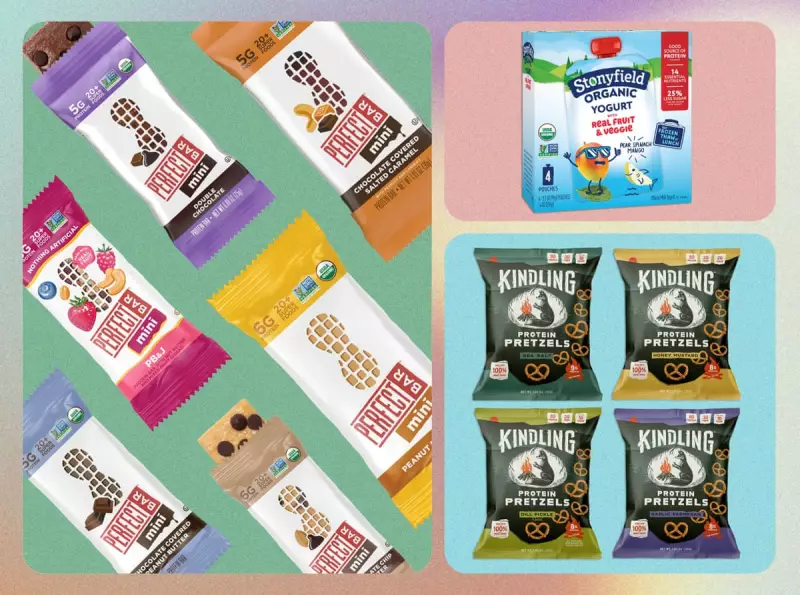
Stonyfield yogurt pouches provide whole milk benefits with 3.5g of fat, offering the fat content growing brains need while keeping children satisfied between meals.
Kindling protein pretzels deliver 8-9g of protein per serving, making them ideal for children who struggle with growth, protein intake, or conditions like ADHD that might affect meal completion.
Harvest Snaps dried pea pods and lentil snacks provide both protein and fibre (10g and 8g respectively in the lightly salted variety), offering an easy way to incorporate vegetables into lunchboxes.
Hippeas Organic Chickpea Puffs resemble cheese puffs but contain 3g of protein per serving, with Arnold particularly recommending the white cheddar flavour.
Wholly guacamole cups and similar hummus options create easy lunchbox additions that can be paired with crackers or vegetables for a balanced snack.
Bear Fruit Rolls and Fruit Minis contain just fruit with no added sugar, meeting Arnold's criteria for fruit-based snacks.
Mini Perfect bars offer 6g of protein with simple ingredients, though they require refrigeration and contain several allergens, making them unsuitable for nut-free schools.
These expert recommendations provide practical solutions for parents seeking to combine nutritional value with the reality of what children will actually consume, turning snack time into an opportunity for balanced nutrition rather than a battleground.




