
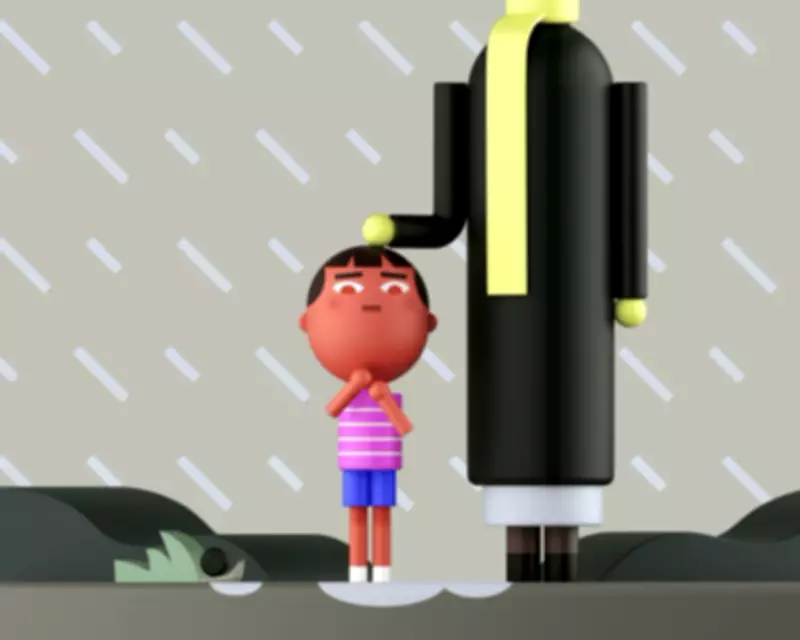
The Rise of Fafo Parenting: A New Era in Child Rearing
Social media platforms are witnessing a significant shift in parenting discourse, with the emergence of Fafo parenting challenging the dominance of gentle child-rearing methods. This trend, which stands for "Fuck around and find out," advocates for a tougher, no-nonsense approach where children face direct consequences for their actions.
From Viral Videos to Parenting Philosophy
The movement gained traction through viral social media content, such as a TikTok video by Florida mother Paige Carter that garnered 4.9 million views. Carter documented throwing her daughter's iPad out of a car window due to misbehavior, retrieving the cracked device as a tangible lesson. Another viral clip shows a mother responding to her child's threat to leave home by closing the door and turning off the lights, only to reopen it to his distressed pounding.
These examples represent what advocates call teaching children about real-world consequences, even when those consequences are uncomfortable or harsh. The trend has sparked intense debate about whether this approach fosters independence or creates emotional isolation.
The Gentle Parenting Backlash
Fafo parenting emerges as a direct response to gentle parenting methods that gained popularity over the past decade. Gentle parenting, which developed as an alternative to authoritarian approaches like the "naughty step," emphasizes emotional validation, careful explanation of decisions, and constant parental involvement in children's emotional experiences.
Professor Ellie Lee, director of the Centre for Parenting Culture Studies at the University of Kent, observes that "parenting has become very intensive" under gentle parenting models. Many parents report exhaustion from the constant emotional labor required, carefully naming each emotion their child might experience while maintaining calm responses.
Expert Perspectives on Parenting Extremes
Psychologists offer nuanced views on the polarization between parenting styles. Dr Maryhan Munt, host of the How Not to Screw Up Your Kids podcast, distinguishes between natural consequences and punitive approaches.
"I'm a fan of children experiencing natural consequences," says Munt, "like when they don't tidy toys and something gets broken. But when we tip over to 'I can't be bothered, just do it,' that sends the wrong message."
Dr Emma Svanberg, psychologist and author of Parenting for Humans, suggests Fafo represents a pendulum swing from permissive to authoritarian approaches. "For parents feeling overwhelmed by gentle parenting demands," she explains, "Fafo offers permission to relax and bring in natural consequences rather than endless negotiation."
The Emotional Risks and Rewards
Critics argue that Fafo parenting relies too heavily on fear and humiliation, potentially damaging parent-child trust. Svanberg warns: "If Fafo becomes emotionally hands-off, children may internalize shame or feel unsupported. The risk isn't independence, it's emotional isolation."
Yet advocates like Gaby Gonzalez, a mother building an online parenting community, see Fafo as age-appropriate boundary setting. "The acronym sounds harsh," she admits, "but you're allowing safe consequences instead of constant intervention." Gonzalez, raised with similar principles by Mexican parents, implements small-scale Fafo with her young children, like allowing them to experience being cold after jumping in puddles.
Cultural and Political Dimensions
The trend reveals broader cultural shifts. Professor Lee notes that parenting discussions have become tied to identity expression, with social media amplifying extremes. The term Fafo itself carries political connotations, often appearing in right-wing contexts beyond parenting discussions.
"There's a general anti-woke dimension to some reactions against gentle parenting," observes Lee, "and it's unsurprising if this becomes bound up with culture wars." However, she cautions against simplistic political mapping, noting that parenting attitudes often cross traditional political boundaries.
Historical Context and Future Directions
The concept of distinct parenting styles dates to psychologist Diana Baumrind's 1960s research identifying authoritarian, permissive, and authoritative approaches. Both gentle and Fafo parents often claim alignment with authoritative parenting, which combines warmth with clear expectations.
Lee identifies deeper societal issues: "The popularity of Fafo tells us less about parents becoming harsher and more about how unsupported families are. When advice swings between extremes, it reflects structural failure."
Already, new hybrid approaches are emerging online, including "Gentle Fafo" – methods that incorporate consequences without humiliation. As Svanberg concludes: "Children don't just learn from consequences; they learn from how adults stay present through those consequences."
The ongoing debate highlights fundamental questions about preparing children for adulthood while maintaining emotional connection – a challenge that continues to evolve with each generation's parenting innovations.




