
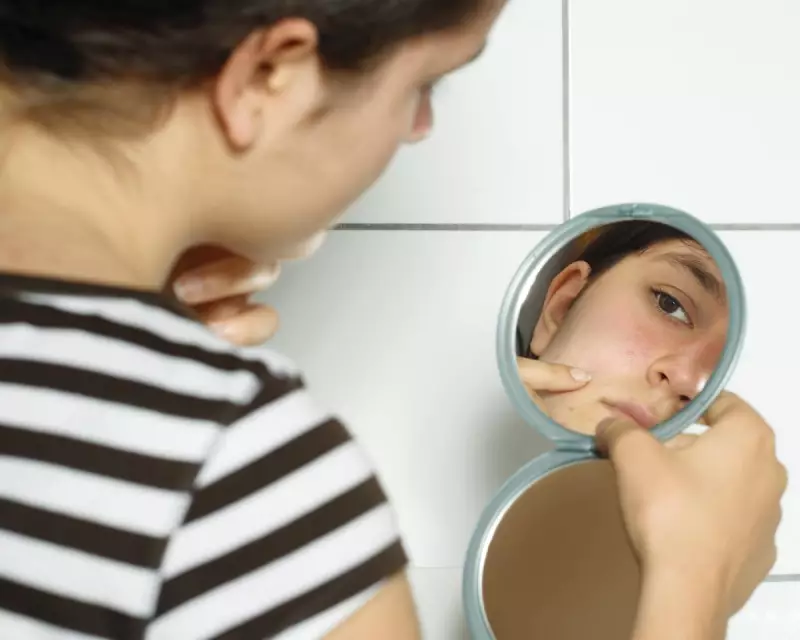
Leading dermatologists are sounding the alarm over what they describe as a 'dystopian' expansion of the beauty industry into skincare products specifically marketed towards toddlers and young children.
The Rise of 'Sephora Kids'
This concerning trend emerges as numerous brands aggressively move into the children's, teenage, and young adult skincare market. The phenomenon, widely known as 'Sephora kids', sees very young social media users sharing videos showcasing beauty products from popular brands like Drunk Elephant, Bubble, and Sol de Janeiro.
In a significant market development, Ever-eden launched in the US last October as the first skincare brand specifically developed for children under 14. Meanwhile, UK retailer Superdrug has just created its POP range targeting consumers aged between 13 and 28.
Celebrity Brands Under Fire
The criticism particularly focuses on celebrity-driven brands entering this sensitive market. Actor Shay Mitchell, famous for her role in Pretty Little Liars and boasting 35.2 million followers, has released a hydrogel skincare mask for children, claiming it was 'inspired' by her daughters.
Another brand facing scrutiny is Rini, whose co-founders Esther Song and Matte Babel describe their products as 'where skincare meets play'. The company sells animal-themed facial sheet masks for children aged four and above, priced at £11 for a bundle, crafted from 100% pure cotton and including vitamin E.
Expert Warnings and Health Concerns
Dr Emma Wedgeworth, a consultant dermatologist at 55 Harley Street in central London, didn't mince words when assessing these products. 'I think these products are completely unnecessary,' she stated. 'When we look at what we put on children's skin, we must weigh up benefits and risks, and in this case there are no real benefits, yet we expose children to unnecessary risks.'
Dr Wedgeworth emphasised that children's skin is more sensitive than adult skin, and any care routine should be strictly functional. She recommends only three essential elements: gentle cleansing, moisturising if the skin is dry, and sun protection.
She expressed particular concern about the psychological impact, noting that 'very young children are naturally unselfconscious, and we don't want to encourage them to focus on appearance or create anxiety about how their skin looks.'
Fellow dermatologist Amy Perkins echoed these concerns in an Instagram post, describing Rini's marketing of 'gentle' face masks to 'restore' young skin as 'eerily dystopian'. She warned that this represents the beauty industry 'expanding its reach from teens to toddlers'.
Dr Wedgeworth clarified that the problem isn't with all children's skincare products, but specifically with those that are 'marketing-led, not science-led' and offer no genuine skin benefit.
As the debate continues, parents are being urged to approach children's skincare with caution, prioritising scientific evidence over celebrity endorsements and marketing claims.




