
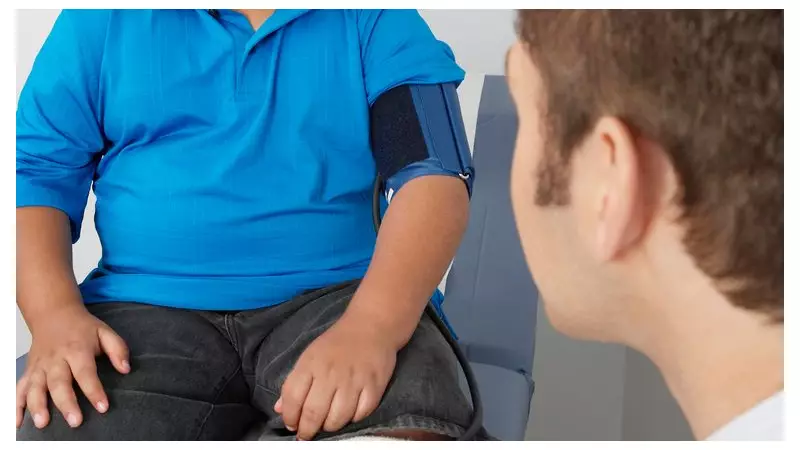
A major new study has uncovered a deeply concerning surge in high blood pressure among children and adolescents, with global rates nearly doubling since the turn of the millennium.
Obesity identified as key driver
The research, published in the Lancet Child and Adolescent Health journal, found that more than one in twenty children under the age of 19 – 6.2% – were living with high blood pressure in 2020. This figure marks a sharp increase from the 3.2% recorded in the year 2000.
An international team of academics, including researchers from the University of Edinburgh and China's Zhejiang University, analysed data from 443,000 children across 21 countries. They concluded that the escalating childhood obesity crisis is a substantial driver behind this worrying trend.
The analysis revealed a stark contrast: nearly 19% of children and adolescents with obesity have high blood pressure, compared to just 3% of those maintaining a healthy weight.
The situation in England's schools
Supporting this finding, the latest statistics from England's National Child Measurement Programme paint a grim picture of the obesity problem from a young age.
The data shows that one in ten children (10.5%) in the first year of primary school is obese. This figure more than doubles by the time children reach their final year of primary school, where 22.2% are classified as obese.
Dr Peige Song, a co-author of the study from Zhejiang University, directly linked the rise in hypertension to "unhealthy diets, decreased physical activity, and the increasing prevalence of childhood obesity".
"The analysis showed that children and adolescents with obesity are nearly eight times more likely to develop hypertension," Dr Song stated. She emphasised the pivotal role parents play in prevention through promoting healthy habits, including balanced diets rich in fruits and vegetables while minimising salt and sugar.
Call for government action on public health
Professor Bryan Williams, chief scientific and medical officer at the British Heart Foundation, has called for bold intervention from the government. He described the doubling of childhood high blood pressure rates as "deeply concerning".
"Elevated blood pressure in childhood often persists into adulthood, increasing the risk of heart disease and stroke later in life," Professor Williams warned. While acknowledging factors like genetics, he asserted that the sharp rise is most likely driven by growing childhood obesity.
He offered a note of hope, stating that "obesity-related high blood pressure can be reversed," but stressed the need for preventative measures. His recommendations include expanding restrictions on marketing unhealthy products to children and implementing further measures to encourage the food industry to improve the healthiness of everyday foods.




