
A significant product safety alert has been issued across New Zealand and Australia after several brands of coloured play sand, a popular children's product, were found to be contaminated with asbestos. The discovery has prompted a widespread recall and led to the temporary closure of multiple schools as a precautionary measure.
Expanding Recall and Product Details
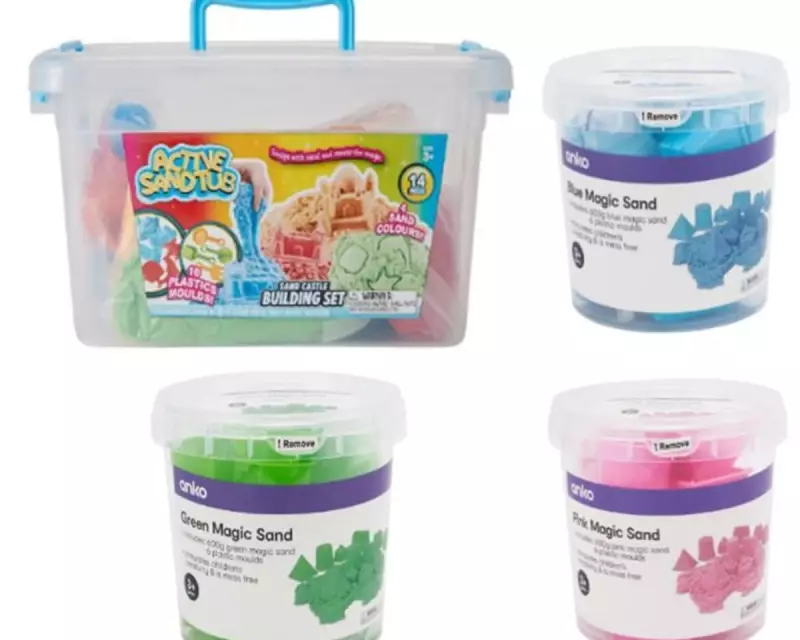
The situation escalated rapidly over the weekend. Initially, a voluntary recall was confirmed for two brands of coloured sand in New Zealand, following test results from Australia that identified asbestos in similar items. This recall was substantially expanded on Saturday after experts from the Faculty of Asbestos Management of Australia and New Zealand identified tremolite asbestos in four additional products.
The newly recalled items include the 14-piece sandcastle building set and the blue, green, and pink Magic Sand sets, all sold at the major retailer Kmart. Ian Caplin, the product safety spokesperson for New Zealand's Ministry of Business, Innovation and Employment, emphasised that "testing of a range of similar products is under way, so at this point we cannot say for certain if these are the only products that are contaminated."
Immediate Impact on Schools and Families
The potential health risk has caused considerable disruption to the education sector. In New Zealand, the Ministry of Education reported that by Sunday, 150 schools and 90 early childhood centres had sought official advice. While the full number of closures on Monday was not immediately confirmed, several institutions took decisive action.
Clearview Primary in Rolleston announced a closure of up to three days out of an abundance of caution, arranging for professional asbestos testing in its classrooms. Similarly, Tuia Burnside Primary School in Christchurch closed on Monday, stating that while the risk was considered very low, they were following Worksafe advice as a precaution. The impact was also felt in Australia, where more than seventy public schools and preschools in the Australian Capital Territory were closed following the alert.
Official Advice and Health Risk Assessment
Authorities in both nations have advised education providers and families who have purchased the implicated products to immediately stop using the sand and to follow specific guidelines for its safe disposal. Despite the alarming nature of the contamination, official risk assessments offer some context.
The Australian Competition and Consumer Commission (ACCC) noted that respirable asbestos had not been detected in its samples. They stated that the release of harmful fibres is unlikely unless the sand is crushed or pulverised, concluding that "the risk that any asbestos found is likely to be airborne or fine enough for inhalation is low." Tremolite asbestos is a naturally occurring form of the substance.
Sean Teddy, a spokesperson for New Zealand's education ministry, acknowledged that parents would understandably be worried. He recommended that "they contact Healthline with any health concerns they may have about their children who may have come into contact with these products." The situation remains under active investigation as further testing continues.




