A young woman from North Yorkshire has shared the astonishing story of how a tattoo she got to symbolise her mental health journey ended up being transferred to her tongue following life-saving cancer surgery.
From Forearm to Tongue: An Unlikely Journey
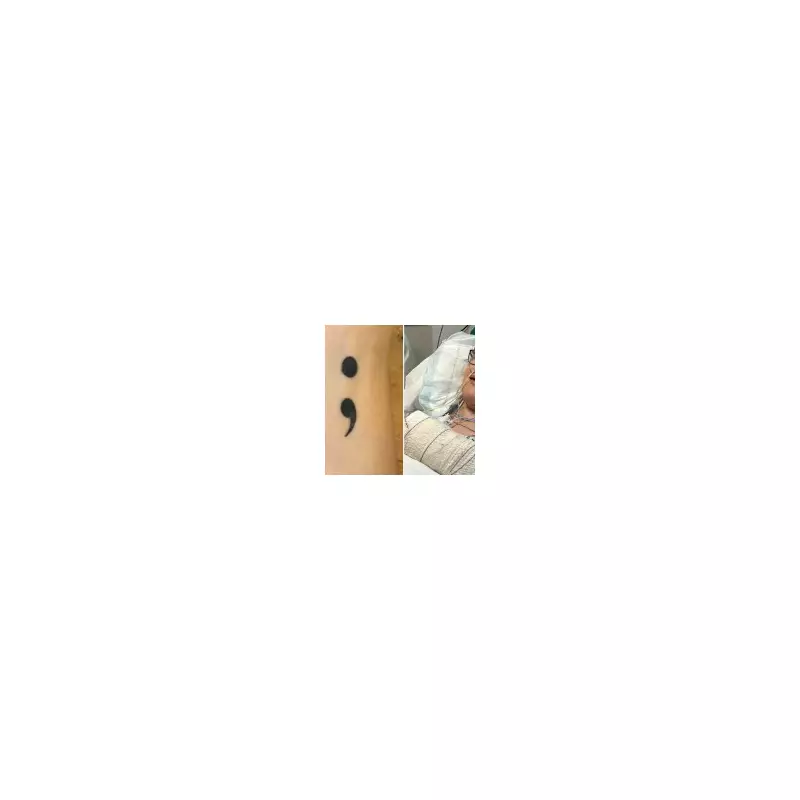
Harriet Trewhitt, now a 21-year-old acting student, was first inked with a semicolon tattoo on her left forearm just two days after her 18th birthday. The design was a deeply personal symbol, representing her ongoing struggle with depression and anxiety, which began when she was around 12 years old.
"A semicolon is used when authors want to end a sentence but carry on," Harriet explained. "In this case, the person is the author and the semicolon is their life. It's a person wanting to end their life, but they've decided to carry on."
Her life took an unexpected turn in December 2024 when she developed a painful ulcer. Initially dismissed as trauma from seizures where she bit her tongue, the ulcer failed to heal. After being rushed for a biopsy, Harriet received a devastating diagnosis in May 2025: she had squamous cell carcinoma, the most common form of tongue cancer.
Life-Saving Surgery and an Unusual Outcome
Doctors at University College London performed surgery to remove the cancer, but the procedure was so extensive that it required an emergency reconstruction of half of her tongue. In a complex six-hour operation, surgeons used a skin graft, taking skin and blood vessels from Harriet's left forearm – the very site of her semicolon tattoo.
"I didn't know you could do that until they did," Harriet said, noting that doctors first attempted to use tissue from her leg but found it too fatty.
When she woke from the surgery, Harriet discovered her meaningful tattoo was now in a radically different location: on her tongue. The graft had seamlessly transferred the inked design.
A Long Road to Recovery and Rediscovery
The aftermath of the surgery was challenging. Harriet struggled to speak and underwent months of speech therapy to regain her voice, a crucial step as she plans to pursue a master's degree in 2026. She spent ten days in hospital and recalls the fear of being intubated.
"I was very lucky with the team at the university college in London, they were so caring and kind," she said.
She also experienced unexpected issues with her salivary glands post-surgery, which affect saliva production crucial for digestion, taste, and oral hygiene. Despite this, she is learning to adapt.
Remarkably, Harriet has returned to her passion for acting. "We did a performance of Anything Goes in October. To be able to do it without an issue was incredible," she shared.
Feeling "really bare" without the visible symbol of her resilience, Harriet has since had the semicolon tattoo recreated on her right arm. She now carries the symbol in two places, but says the unusual location under her tongue doesn't bother her. "It's just a weird thing about me to have it there now," she adds.
Understanding Squamous Cell Carcinoma
According to Cancer Research UK, squamous cell carcinoma (SCC) begins in the flat, skin-like cells that line the mouth, nose, and throat. Key symptoms include:
- A persistent red or white patch on the tongue.
- A sore throat or ulcer that does not heal.
- Pain or difficulty swallowing.
- Unexplained numbness, bleeding, or a lump in the neck.
While these symptoms can have less serious causes, it is vital to consult a GP for a proper check. Known risk factors for head and neck cancers include smoking, regularly drinking large amounts of alcohol, and infection with the human papillomavirus (HPV).
Harriet's story is a powerful testament to medical innovation and personal endurance, where a symbol of continuing one's life story became part of the very procedure that saved it.