Understanding Prostate Cancer: A Guide for UK Men
Prostate cancer begins in the prostate gland, a small organ located below the bladder that produces fluid for semen. It represents the most common cancer among men in the United Kingdom, with approximately 55,300 new diagnoses and 12,200 deaths annually. While it is the second most common form of cancer overall after breast cancer, its growth can vary significantly; it may develop slowly in many men but can be aggressive and spread quickly in others.
Who is Most at Risk?
The likelihood of developing prostate cancer increases with age, but certain groups face a substantially higher risk. Black men are around twice as likely as white men to both develop and die from the disease. A family history of cancer is another major factor. If your father had prostate cancer, your risk doubles. If a brother was diagnosed, the risk triples, according to Prostate Cancer Research.
Risk is further elevated if your relative was diagnosed under 60, if more than one family member was affected, or if you are under 65. A mother or sister with breast or ovarian cancer can also increase your prostate cancer risk by 20-30%, often due to inherited BRCA1 or BRCA2 gene variants.
Recognising the Signs and Getting Diagnosed
In its early stages, prostate cancer often presents no symptoms, which is a key reason why many diagnoses occur late. However, you should consult your GP if you notice changes in urination habits, see blood in your urine, or experience difficulty with erections. As Naser Turabi of Cancer Research UK advises, "If something has changed or doesn’t feel quite right, speak to your doctor. It probably won’t be cancer. But if it is, spotting it early could make all the difference."
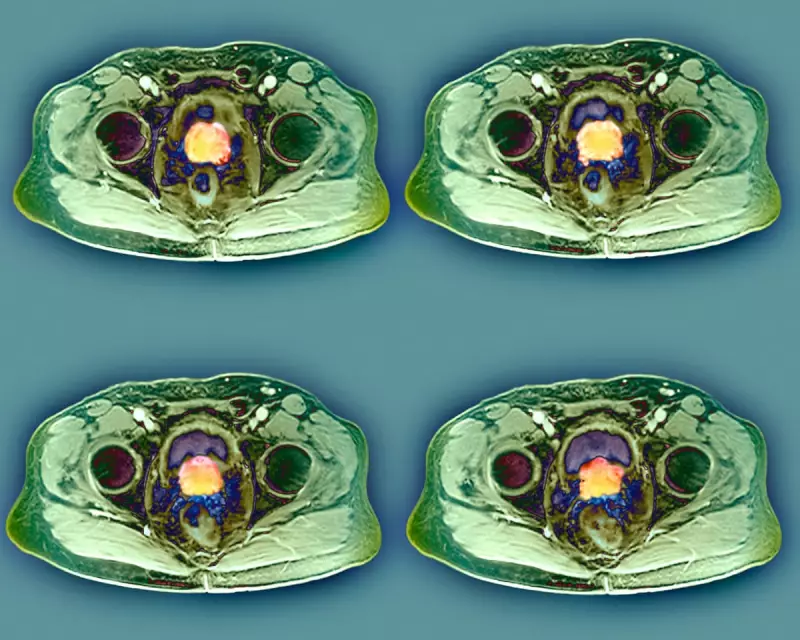
For diagnosis, any man or transwoman over 50 can request a Prostate Specific Antigen (PSA) blood test from their NHS GP. Professor Kamila Hawthorne of the Royal College of GPs emphasises the importance of a consultation to discuss the reasons for the test and its potential benefits and risks. If PSA levels are high, patients are typically referred for an MRI scan and, if necessary, a biopsy for a definitive diagnosis.
Treatment Options and Survival Rates
Treatment depends on how early the cancer is caught and its potential for growth. Main treatments include surgery, radiotherapy, and hormone therapy. For many with early-stage, slow-growing cancer, active surveillance is an option, involving regular monitoring without immediate treatment.
Survival rates have improved dramatically. More than 80% of men diagnosed now survive for 10 years or more, a significant increase from just 22% fifty years ago. Early diagnosis is critical; over 85% of men diagnosed at stages 1 or 2 live for at least a decade, compared to about 19% when the cancer has spread widely.
To reduce your risk, Cancer Research UK recommends proven steps such as stopping smoking, maintaining a healthy weight, and eating a balanced diet.