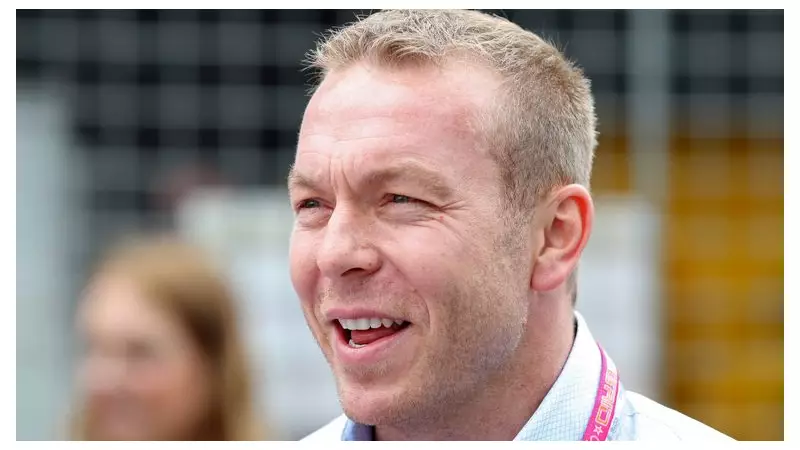
Olympic legend Sir Chris Hoy has expressed profound disappointment after a government advisory committee recommended against introducing a national prostate cancer screening programme on the NHS.
Committee Cites 'More Harm Than Good'
The National Screening Committee (NSC), a body comprised of doctors and economists, has told the government that widespread screening is "likely to cause more harm than good". This draft recommendation, issued on Friday 28 November 2025, means the NHS is unlikely to offer mass screening for men over the age of 45.
The committee's primary concern revolves around the use of the Prostate Specific Antigen (PSA) test. In its current form, the test can lead to a high rate of overdiagnosis, where men are identified with slow-growing cancers that may never cause harm, potentially subjecting them to unnecessary and invasive treatments with significant side-effects.
Instead of a blanket approach, the NSC is proposing a targeted screening programme every two years for men aged 45 to 61 who carry specific genetic mutations known as BRCA-1 and BRCA-2.
High-Profile Criticism and Personal Appeals
The decision has been met with strong criticism from prominent figures directly affected by the disease. Sir Chris Hoy, who revealed last year that his prostate cancer is terminal, with doctors giving him two to four years to live, was vocal in his response.
"I am extremely disappointed and saddened," the six-time Olympic gold medallist stated. He highlighted that more than 12,000 men die from prostate cancer annually, making it the most common cancer in UK men. He argued that while screening for men with BRCA genes is a small step forward, it is insufficient, failing to cover other high-risk groups like Black men and those with a family history of the disease.
His views were powerfully echoed by Lord David Cameron, who recently announced he was treated for prostate cancer last year. In a post on X, the former Prime Minister described the recommendation as "far too targeted". He emphasised that prostate cancer can be symptomless early on, making screening essential for catching it when treatment is most effective.
Ongoing Research and Government Response
The NSC acknowledged the higher risk for Black men but stated it does not recommend extensive screening for them due to a current lack of evidence and data. The committee also does not advise targeted screening for men with a family history of the disease.
However, hope for a future national programme lies in ongoing research. A major £42m trial, known as the TRANSFORM trial, was launched last week by Prostate Cancer UK. This study is investigating whether combining the PSA test with other methods, such as rapid 10-minute MRI scans and genetic tests, can create a more accurate and effective screening process. The results are expected within two years.
Health Secretary Wes Streeting said he would thoroughly examine the draft recommendation ahead of a final decision in March. He stated his commitment to earlier cancer diagnosis but acknowledged the need to balance this against "the harms that wider screening could cause to men."
Professor Sir Mike Richards, chairman of the NSC, reinforced the committee's position, explaining that modelling shows while population screening might slightly reduce prostate cancer deaths, the "very high levels of overdiagnosis" mean the harms currently outweigh the benefits.