A major reorganisation of blood cancer care in South London has sparked anger among patients while promising significant savings for the NHS trust overseeing the changes.
Controversial relocation plans
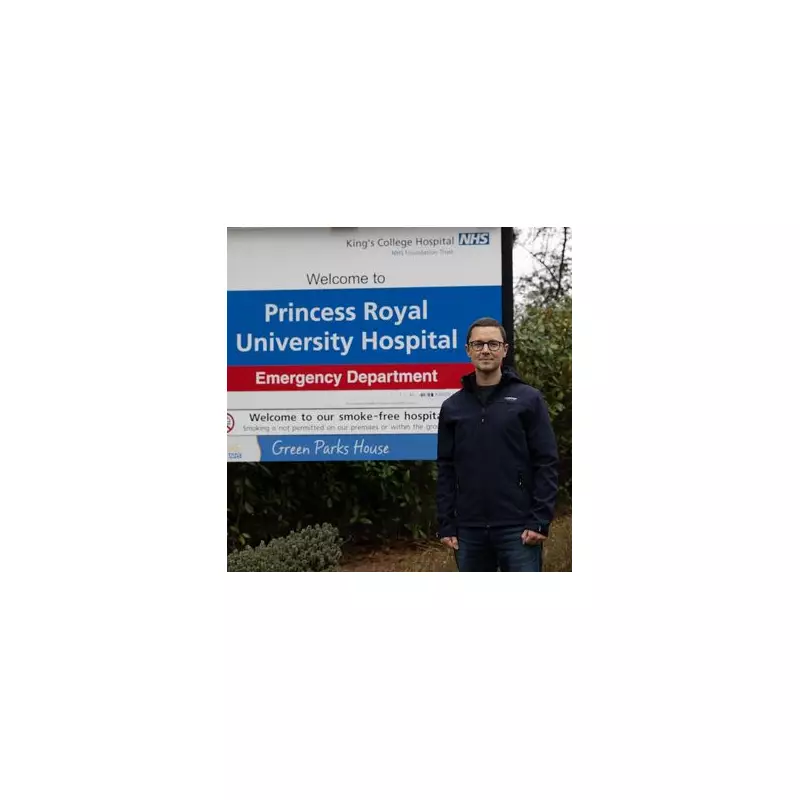
King's College Hospital NHS Foundation Trust has revealed plans to move inpatient haematology services from Princess Royal University Hospital in Orpington to its main site at Denmark Hill in Camberwell. The trust estimates this relocation will save approximately £700,000 annually against its nearly £2 billion budget, though officials insist financial considerations aren't the primary motivation.
The proposal affects the 12-bed Chartwell ward at PRUH, which currently treats around 144 blood cancer patients each year. Despite this relatively small number, the plan has generated substantial opposition, with nearly 27,000 people signing a petition to keep the service in Orpington.
Patient concerns and emotional impact
Matthew Venner, a Chislehurst resident battling stage four Non-Hodgkin Lymphoma, expressed deep frustration following the trust's presentation to Bromley Council's Health Scrutiny Sub-Committee on November 26. "I feel angry, belittled and unheard," Venner told local reporters. "The human cost does not matter to these executives."
Venner highlighted the practical difficulties the move would create for his family. "My two children will not be able to visit me if I have to get treatment at Denmark Hill because it is so far away," he explained, capturing the anxiety many patients feel about being separated from their support networks during extended inpatient stays.
Medical justification versus patient welfare
Trust representatives, including Deputy Chief Executive Julie Lowe, defended the proposal by emphasising clinical benefits. "Our primary responsibility is to offer Bromley residents the best possible care for their clinical condition that we can," Lowe stated. She argued that as haematological cancer treatments have advanced, the best outcomes now require care at the more specialised Denmark Hill facility.
Dr Roopen Arya, Clinical Director for Haematological Medicine at King's, acknowledged the geographical challenges while maintaining the clinical necessity. "I'm beginning to empathise more and more with the plight of those families and those patients, but ultimately it is about giving patients the best care possible," he said, describing the situation as a difficult "trade off."
The trust also revealed that specialist haematology nurses at the Chartwell Unit weren't seeing sufficient patients to maintain their professional competency, further justifying the consolidation of services.
Transport and infection risks
Beyond visiting difficulties, patients raised concerns about transferring immuno-compromised individuals between hospitals. Dr Carmel Curtis, King's Chief of Division, sought to reassure critics that patient transfers were routine practice within London and that multiple safeguards existed, including single-patient minibus journeys.
Committee members criticised the trust's engagement process, with Councillor Thomas Turrell describing arranging the meeting as "an absolute nightmare" and alleging the council resorted to legal means to secure the trust's attendance. Lowe denied this characterisation, attributing communication difficulties to scheduling conflicts with senior consultants.
The trust has committed to further community engagement and will present a more detailed business case in January, though officials confirmed it would be "essentially the same proposal." For patients like Matthew Venner, who continues his cancer battle while fighting to maintain local services, the trust's assurances provide little comfort as they face the prospect of longer, more isolated treatment journeys.