The National Health Service has approved a revolutionary 'next generation' treatment that has the potential to cure a specific form of leukaemia, marking a significant advancement in cancer care for patients in England.
A Groundbreaking One-Time Treatment
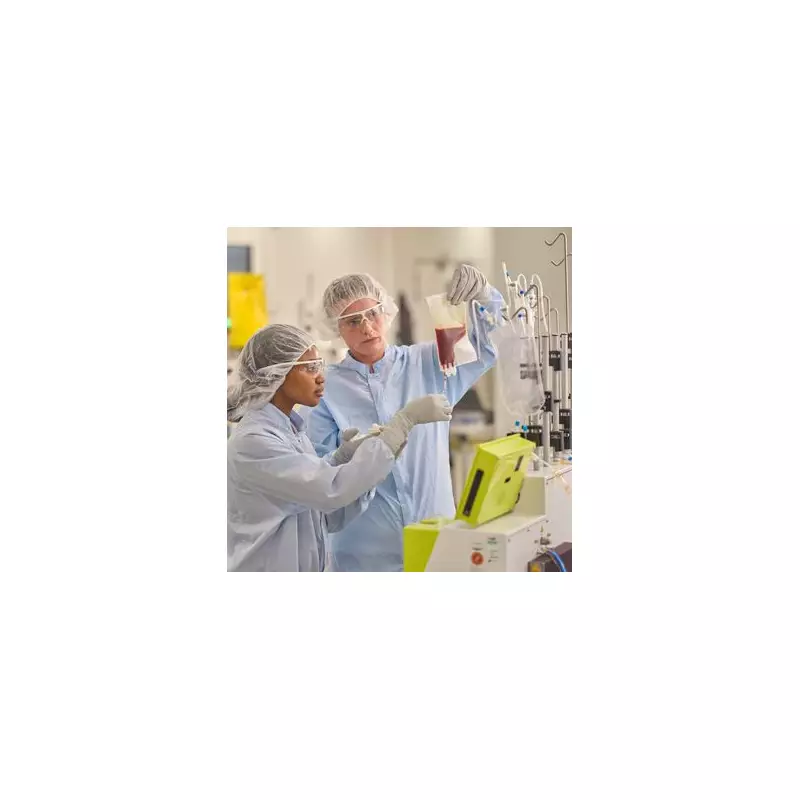
Developed by Autolus, a spinout company from University College London, obe-cel represents a cutting-edge form of CAR T-cell therapy. This innovative approach involves genetically modifying a patient's own cells to empower their immune system to recognise and attack cancer cells effectively.
The most remarkable feature of this treatment is that it only needs to be administered once in a patient's lifetime. The National Institute for Health and Care Excellence has recommended obe-cel, also known as Aucatzyl, for individuals aged 26 and over who are battling relapsed or refractory B-cell acute lymphoblastic leukaemia.
Proven Effectiveness and Patient Impact
Clinical evidence demonstrates compelling results for this new therapy. A study involving 94 participants revealed that 77% of patients given the treatment went into remission. Even more encouraging, more than half of these patients showed no detectable signs of cancer after three and a half years.
Helen Knight, director of medicines evaluation at Nice, emphasised that this treatment "offers real hope to people living with this rare and aggressive blood cancer". She added: "This drug has the potential to offer a more effective and less toxic alternative to standard treatments, with fewer side-effects."
The therapy is expected to benefit more than 150 people over the next three years, particularly those with limited treatment options. Patients receive two doses of the CAR T-cell treatment intravenously, administered ten days apart, at selected specialist centres across England.
Medical Community Response and Patient Experience
Dr Claire Roddie, UCL Hospital consultant haematologist and associate professor at the UCL Cancer Institute, expressed delight at the decision. "Many more patients now stand to benefit from this CAR T-cell therapy on the NHS," she stated, noting that researchers continue to work on widening its application.
The development of this treatment represents a collaborative success story, bringing together clinical and research teams from UCL and UCLH with support from government bodies and the pharmaceutical industry.
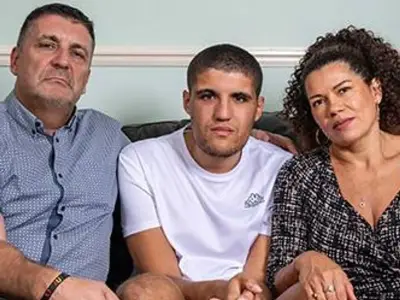
Harry, a 19-year-old student from Harrogate who received obe-cel during a clinical trial in 2024, shared his experience: "I feel so lucky to have had access to such a wondrous treatment. Not only did it work better than my doctors thought it would, it worked without many of the horrible side-effects you can get from other treatments."
Professor Peter Johnson, NHS national clinical director for cancer, described the therapy as "cutting-edge" and noted that it "could give patients with this aggressive form of leukaemia a chance to live free from cancer for longer – and, for some, it could offer the hope of a cure."