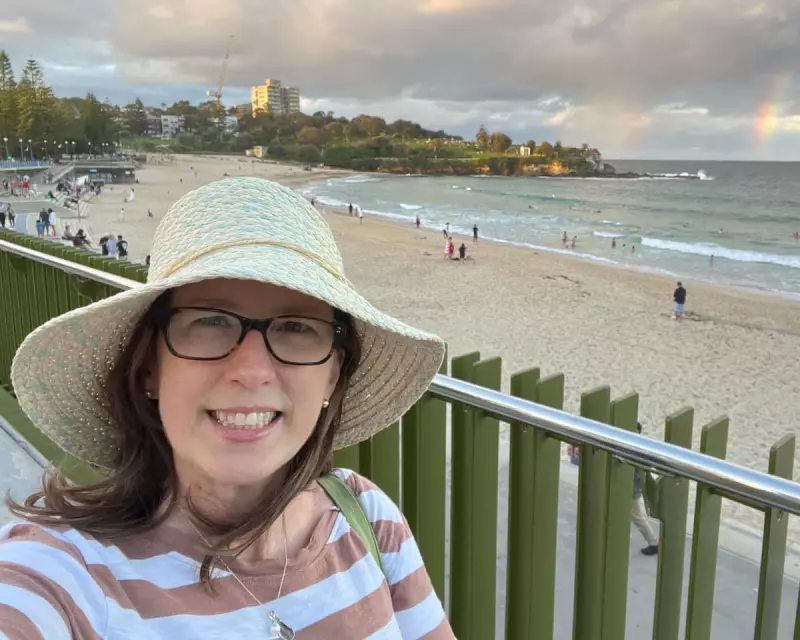
A woman's devastating cancer diagnosis months after receiving an all-clear from a routine mammogram has helped catalyse crucial new national health guidelines.
The Missed Diagnosis
In 2019, Krysty Sullivan underwent a routine mammogram and was given the all-clear. Just eleven months later, she discovered a lump herself. Doctors subsequently found two tumours, each measuring more than 2cm.
Sullivan, then 48, was diagnosed with triple-negative breast cancer, an aggressive form that does not respond to typical hormone therapies. The news came as a profound shock so soon after her clear scan.
"It's always a shock to hear that you have breast cancer, but to learn that I had it months after I had a clear mammogram... it was like the earth shifted," Sullivan recalled. "I was left wondering what I had missed."
The Hidden Factor: Breast Density
The critical piece of information Sullivan was never told was that her mammogram revealed she had the highest category of breast density, classified as Bi-rads D. This means her breasts contained very little fatty tissue.
High breast density significantly lowers the sensitivity of a mammogram, making it far more difficult for the imagery to detect small abnormalities like early-stage cancers. Furthermore, dense breast tissue (categories Bi-rads C or D) also slightly increases a woman's inherent risk of developing breast cancer.
Sullivan's doctors believe it is likely her cancers were present during her initial mammogram but remained hidden due to her tissue density. She subsequently underwent a double mastectomy and sixteen rounds of chemotherapy.
A New Standard of Care
In response to cases like Sullivan's, new federal guidelines released by the Australian health department now advise that patients must be informed if a mammogram shows they have dense breasts.
The guidance provides GPs with additional instructions on how to respond. For women with the highest density level (Bi-rads D), the guidelines recommend considering additional imaging beyond the standard mammogram.
GPs are now advised to ask women with high breast density about other risk factors, such as family history. Depending on the overall risk level calculated, these women might be offered additional screening covered by Medicare.
Dr Anna Withanage Dona from the University of Melbourne, who helped develop the guidance, stated: "Up until now, the guidance available to GPs has been pretty inconsistent. These guidelines will give doctors better tools and help them explain what breast density means for each individual person."
She emphasised that the goal is not to cause unnecessary anxiety or over-screen everyone, but to intelligently identify women who would benefit from extra care. "Having high breast density is not to say someone will develop breast cancer," she noted.
The Royal Australian College of General Practitioners has welcomed the new guidelines. Dr Katrina Tiller said the focus is now on raising awareness among doctors and monitoring the impact of these changes.
Krysty Sullivan, who contributed to the guidelines as a consumer representative, expressed her hope that this will lead to earlier detection for others. "I think it's really going to empower women to have important conversations with their doctors and get the personalised care that they need," she said.