Breakthrough in Breast Cancer Detection
In a significant development for women's healthcare, new federal guidelines released today aim to transform how breast cancer is detected in cases where traditional mammograms may prove insufficient. The updated recommendations come amid growing concerns about the limitations of standard screening methods for women with higher breast density.
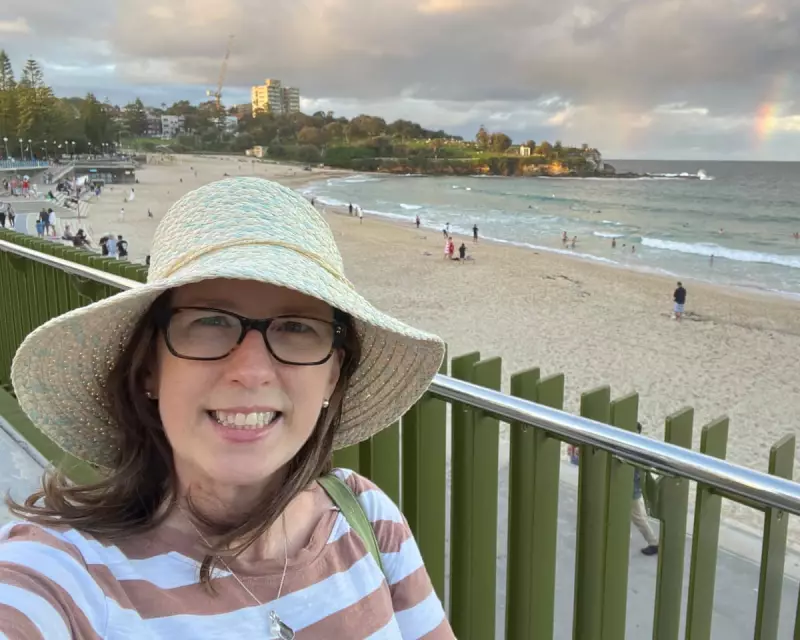
The urgency of these changes is powerfully illustrated by the experience of Krysty Sullivan, who received a devastating breast cancer diagnosis just 11 months after a mammogram had given her the all-clear. Her case highlights the critical need for improved detection methods that can identify cancers hidden by dense breast tissue.
Understanding the Dense Tissue Challenge
The new guidelines specifically advise GPs to provide additional care and screening for women with higher breast density. Dense breast tissue can mask cancers during standard mammograms, making them significantly harder to detect in early stages when treatment is most effective.
One breast cancer survivor described the new measures as something that "will really empower women" by ensuring those with dense breast tissue receive the appropriate level of monitoring and follow-up care.
Broader Healthcare Context
This medical advancement comes alongside other significant health-related developments, including Meta's implementation of the government's social media ban for users under 16. Australian Facebook and Instagram users under 16 are being notified that their accounts will be deactivated by 10 December as the company begins compliance with the Albanese government's legislation.
Meanwhile, in a separate but equally important health story, the heartbreaking case of Kardell Lomas reveals systemic failures in domestic violence protection. The Kamilaroi and Mununjali woman, who was six months pregnant when her body was found in a car boot, had 24 interactions with various agencies in the months before her death, yet adequate protective action wasn't taken.
Her younger brother, Adair Lomas, posed the poignant question: "What if Kardell was white, what would have happened? I think the police and the system would have taken her seriously."
These parallel stories underscore the ongoing challenges and advancements in different aspects of healthcare and social protection systems, highlighting both progress and areas requiring urgent improvement.