Former Prime Minister Reveals Personal Health Battle
Lord David Cameron has publicly disclosed his prostate cancer diagnosis, joining growing calls for a national screening programme targeting high-risk groups. The former Conservative leader revealed his personal health battle as the National Screening Council prepares to make a crucial decision on prostate cancer screening later this week.
The Scale of Britain's Prostate Cancer Crisis
Prostate cancer remains the most common cancer affecting men in the United Kingdom, claiming more than 12,000 lives every year. The disease's significant mortality rate has prompted renewed scrutiny of current detection methods and whether the NHS should implement routine screening similar to programmes for breast and bowel cancer.
Lord Cameron's intervention adds considerable weight to the campaign for systematic screening. His personal experience with the disease underscores the reality that prostate cancer can affect men from all walks of life, regardless of their public profile or previous position.
Balancing Benefits Against Overdiagnosis Risks
The debate around prostate screening centres on concerns about potential overdiagnosis. Medical experts warn that increased screening could identify slow-growing cancers that might never cause harm during a man's lifetime, potentially leading to unnecessary treatments with significant side effects.
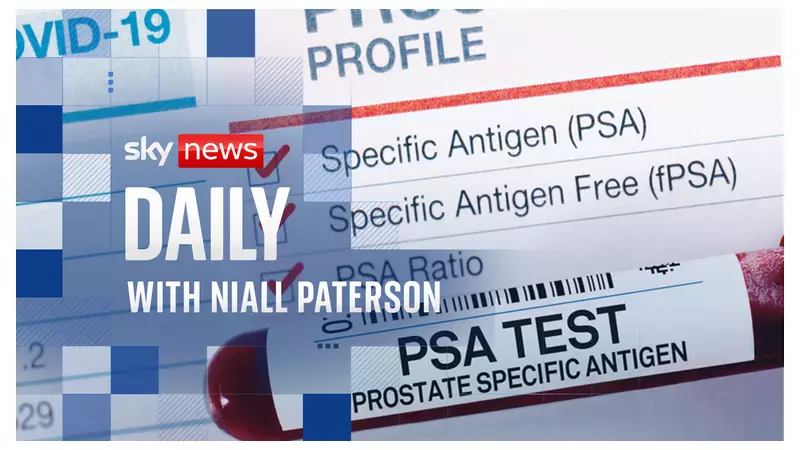
Sky News science and medical correspondent Thomas Moore recently discussed this complex issue on the Sky News Daily podcast, exploring whether the benefits of widespread screening would outweigh the risks of overtreatment. The programme examined how a targeted approach might focus on groups most vulnerable to aggressive forms of the disease.
The National Screening Council's imminent decision could reshape prostate cancer detection in Britain, potentially establishing the first nationwide programme specifically for this common male cancer. Health advocates argue that with 12,000 annual deaths, the current approach requires urgent reassessment.
Men concerned about prostate cancer symptoms are encouraged to consult their GP and can find comprehensive information through the NHS website at www.nhs.uk/conditions/prostate-cancer/.