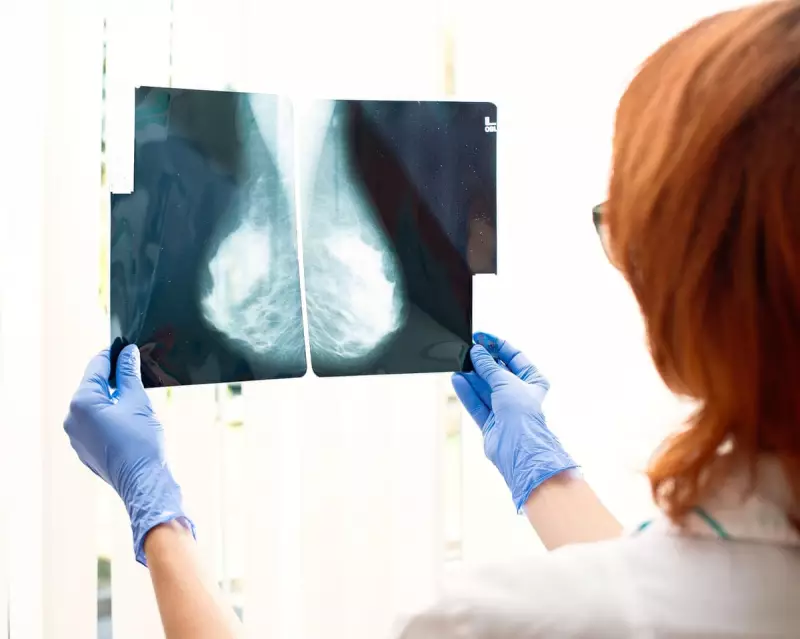
Informing women about their breast density following a routine mammogram may lead to increased anxiety and confusion, according to a significant new study from Australia. The findings are timely as UK health authorities consider whether to adopt similar notifications within the national screening programme.
The Impact of Breast Density Information
The research, conducted by the University of Sydney and published in the BMJ, analysed data from 2,401 women screened for breast cancer between September 2023 and July 2024. All participants were classified as having dense breast tissue, which refers to a higher proportion of glandular and fibrous tissue compared to fatty tissue. This condition is a known risk factor for breast cancer and can make mammograms harder to interpret.
The women were split into three groups: a control group not informed of their density, a group notified with written information, and a group notified with a link to an explanatory online video. Eight weeks later, surveys revealed that women who were told about their dense breasts were significantly more likely to report feeling anxious and confused about their next steps compared to the control group.
Increased Demand for GP Advice
A key consequence of the notifications was a marked rise in intentions to seek further medical advice. The study found that 22.8% and 19.4% of women in the two informed groups planned to speak to their GP about their results. This was substantially higher than the 12.9% in the control group who intended to do the same.
Despite receiving the extra information, the study concluded that notified women did not feel more empowered to make decisions about their breast health and predominantly wanted guidance from their general practitioners.
UK Screening Policy Under Review
Currently, the NHS breast screening programme in England does not routinely assess or record breast density. However, the UK National Screening Committee (NSC) is actively reviewing whether this should change.
Sophie Brooks, Health Information Manager at Cancer Research UK, commented on the mixed outcomes. "This study suggests that telling women about their breast density has mixed results," she said. "Women who were told were more likely to seek advice from their GP, but they were also more likely to feel anxious and confused, highlighting the need for clear information and support."
Melanie Sturtevant of Breast Cancer Now emphasised the need for careful implementation. "The findings underline that learning they were higher risk left many women feeling more anxious and confused," she stated, while also urging the NSC to conduct its review "with more urgency and transparency."
The research underscores a critical challenge in preventive healthcare: balancing the communication of personal risk factors with the potential for causing psychological distress, and ensuring robust support systems are in place.