AI-Powered Breast Cancer Screening Shows Significant Improvement in Early Detection
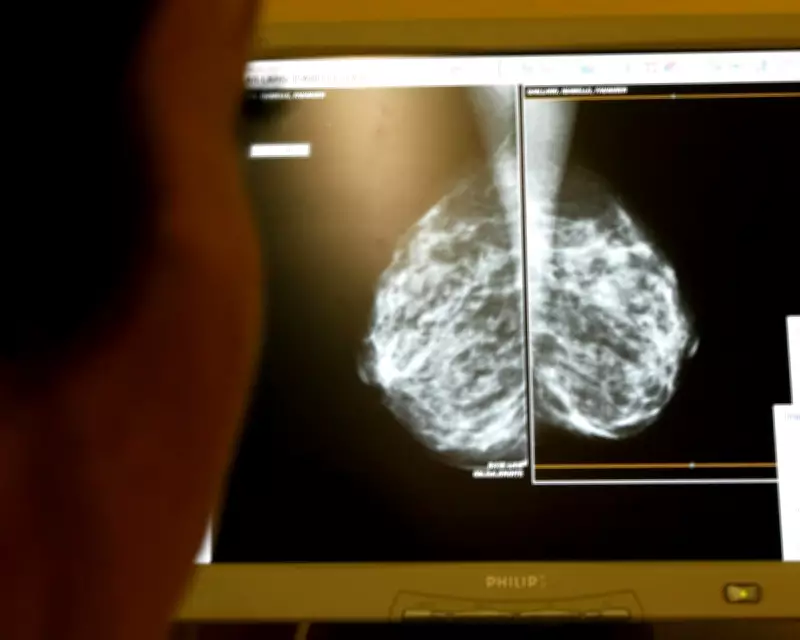
A groundbreaking Swedish study has revealed that artificial intelligence can substantially enhance breast cancer screening outcomes, with AI-supported mammography reducing the rate of cancer diagnoses in subsequent years by an impressive 12%. This research, the largest of its kind to date, involved 100,000 women and provides compelling evidence for the integration of AI into national screening programmes.
Study Details and Methodology
The trial, conducted between April 2021 and December 2022, randomly assigned participants to either AI-supported screening or standard double reading by two radiologists. The AI system analysed mammograms, directing low-risk cases to a single radiologist review and high-risk cases to a double reading, while also highlighting suspicious findings to assist medical professionals. This innovative approach aimed to streamline the screening process without compromising accuracy.
Key Findings and Statistical Outcomes
The results, published in The Lancet, demonstrated a clear advantage for AI-supported screening. In the AI group, cancer incidence was 1.55 per 1,000 women, compared to 1.76 per 1,000 in the control group. More strikingly, 81% of cancers in the AI-supported group were detected at the screening stage, versus 74% in the control group. Additionally, the AI group showed a 27% reduction in aggressive subtype cancers, indicating a potential for identifying more dangerous forms of the disease earlier.
Expert Insights and Cautions
Dr Kristina Lång from Lund University, the lead author, emphasised that AI could help alleviate workload pressures on radiologists while improving early detection rates. However, she advised caution, stating that AI implementation must be carefully monitored to ensure consistent performance across different screening programmes. The study does not advocate replacing healthcare professionals with AI, as at least one radiologist is still required for interpretation with AI support.
Dr Sowmiya Moorthie of Cancer Research UK welcomed the findings as promising but highlighted the need for further research, noting that the study was from a single centre. She stressed that with rising cancer diagnoses, innovations like AI are vital for improving NHS services, but they must be thoroughly evaluated to avoid potential harms.
Broader Implications and Future Directions
Simon Vincent, chief scientific officer at Breast Cancer Now, described the trial as underlining the huge potential of AI to support radiologists. Early detection through screening is crucial for successful treatment, and this study suggests AI could save lives by diagnosing cancers sooner. Ongoing trials in the UK exploring AI within the NHS breast screening system will be essential in determining the safest and most effective applications of this technology.
Breast cancer remains the leading cause of death for women aged 35 to 50, with over 2 million global diagnoses annually. The integration of AI into screening protocols represents a significant step forward in combating this disease, offering hope for more efficient and accurate early detection methods that could transform public health outcomes.