Why Every Story Counts When Living with Advanced Breast Cancer
Novartis Pharmaceuticals UK Ltd has launched the Moments That Count disease awareness campaign, focusing on patients living with incurable advanced breast cancer. This initiative aims to challenge misconceptions about life with a terminal diagnosis while highlighting critical issues in care and support.
The Scale of Advanced Breast Cancer in the UK
Approximately one in five people diagnosed with breast cancer will experience recurrence, with around 61,000 individuals in the UK – predominantly women – currently living with advanced disease where cancer has spread to other body parts. Common sites for metastasis include bones, lungs, liver, and brain.
When cancer returns and spreads distantly, it is typically considered terminal, with only about 27% of patients surviving beyond five years. The campaign seeks to illuminate patient experiences and systemic challenges, including insufficient numbers of dedicated specialist nurses and inadequate mental health support provision.
Awareness Gaps and Systemic Challenges
Recent YouGov research reveals concerning knowledge gaps: 40% of UK adults have never heard of advanced breast cancer, while 36% cannot identify any symptoms. This lack of awareness persists despite advanced breast cancer being the leading cause of death for UK women aged 40-59.
Liberal Democrat MP for Wokingham, Clive Jones, who received a primary breast cancer diagnosis seventeen years ago, highlighted persistent inequalities at the campaign's photography exhibition launch. He noted that access to specialist nurses remains a postcode lottery across the UK, with long-standing data collection deficiencies undermining effective service planning.
Mr Jones expressed hope that these issues would be addressed in the government's forthcoming National Cancer Plan, expected for publication early this year.
Patient Perspectives: Claire Myerson's Experience
Claire Myerson, a 55-year-old retired IT director from Oxfordshire and campaign ambassador, was diagnosed with primary breast cancer over a decade ago, followed by advanced breast cancer in 2016. She observes that public perception often mistakenly assumes breast cancer is largely resolved, despite approximately 11,500 annual deaths from the disease in the UK.
Claire advocates for establishing a national cancer registry to accurately identify how many people live with advanced breast cancer. She argues that without this data, developing business cases for employing more specialist nurses – specifically trained to provide physical and psychological support – becomes impossible.
Despite describing her three-weekly IV treatment regimen as extremely gruelling, Claire maintains stable condition and good quality of life, continuing to enjoy holidays, dog walking, dining out, and socialising with family and friends. However, she acknowledges limited treatment options, with only one alternative drug available should her current medication cease working.
Claire reflects on losing eight close friends with advanced breast cancer, emphasising the need for increased research funding. Her aspiration is that by 2050, a cure will exist so nobody dies from advanced breast cancer.
Laura Middleton-Hughes: Raising Symptom Awareness
Former hairdresser Laura Middleton-Hughes, 37, from Norwich, Norfolk, emphasises the importance of recognising recurrence symptoms after mistaking her own shoulder pain for a sports injury. Diagnosed with advanced breast cancer at 28 following primary diagnosis at 25, Laura discovered cancer had returned in her shoulder, spine, and pelvis – now stage 4 and terminal.
The diagnosis brought profound losses: treatment meant she could never have children, while necessary shoulder replacement surgery ended her hairdressing career. Through social media, Laura connected with the late Nicky Newman, co-founding the Secondary Sisters advocacy group on Instagram, which has grown into a global online community with over 22,000 followers.
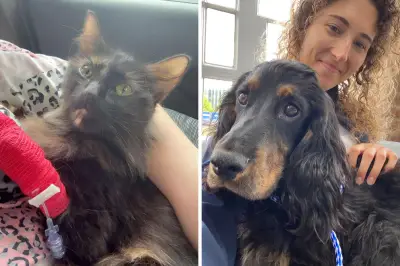
The group challenges assumptions that advanced breast cancer inevitably means imminent death, demonstrating instead that patients can live well despite diagnosis. Laura focuses on her living list (preferring this term to bucket list), having visited the Maldives, Caribbean, and much of Europe while cherishing time with family and her two cocker spaniels.
Juliet FitzPatrick: The Persistent Fear of Recurrence
Retired writer and researcher Juliet FitzPatrick, 64, from Buckinghamshire, received her primary breast cancer diagnosis in 2016 following routine mammography. She continues to experience background anxiety about recurrence, noting insufficient information about what symptoms to monitor.
Juliet highlights the work of late campaigner Jo Taylor, founder of advocacy group MetUpUK, who developed the ABC diagnosis guide to raise awareness of recurrence red flags. She emphasises that women with advanced breast cancer primarily want to live their best possible lives for as long as feasible.
Campaign Objectives and Patient Advocacy
Claire, Laura, and Juliet serve as ambassadors for the Moments That Count campaign, which provides knowledge and support to advanced breast cancer patients. The initiative addresses multiple critical areas:
- Improving public and professional awareness of advanced breast cancer symptoms
- Advocating for better data collection through national cancer registries
- Increasing access to specialist nursing and mental health support
- Challenging misconceptions about life expectancy and quality of life
- Promoting research into new treatment options
The campaign underscores that while advanced breast cancer remains incurable, patients can maintain meaningful lives with appropriate support and management. Each patient's story contributes to broader understanding and systemic improvements in cancer care across the United Kingdom.