Television and radio presenter Adrian Chiles has publicly shared details of his recent skin cancer diagnosis, prompting health experts to reiterate the vital warning signs the public should monitor. The 58-year-old broadcaster revealed in a column for The Guardian that a growth on the back of his shoulder was identified as squamous cell carcinoma.
Understanding the Diagnosis and Treatment
Squamous cell carcinoma is a common form of non-melanoma skin cancer. While these types are generally less aggressive than melanoma and typically do not spread to other parts of the body, prompt treatment remains essential. In his article, Chiles explained that he underwent surgery to remove the cancerous growth and has been assured it "won't spread". He summarised his situation by stating: "So not nothing, but not serious. Needs keeping an eye on." His experience underscores that even non-melanoma cancers require medical attention, as they can be fatal if left untreated.
Key Warning Signs of Non-Melanoma Skin Cancer
Early detection dramatically improves outcomes for all skin cancers. The NHS highlights that the main indicator of non-melanoma skin cancer is an abnormal growth or unusual patch on the skin. These are most commonly found on sun-exposed areas such as the head, face, ears, neck, shoulders, back, hands, and lower legs.
The appearance of these growths can vary significantly. They may be:
- Raised, smooth, and have clear edges.
- Bumpy, rough, crusty, or scabbed.
- Flat, discoloured patches that can be purple, brown, or red.
- Darker on brown or black skin.
The health service advises seeing a GP if you notice a skin growth that is getting bigger, changing in colour or texture, or if an area of skin hurts, itches, bleeds, crusts, or scabs for more than four weeks.
The Symptoms of Melanoma Skin Cancer
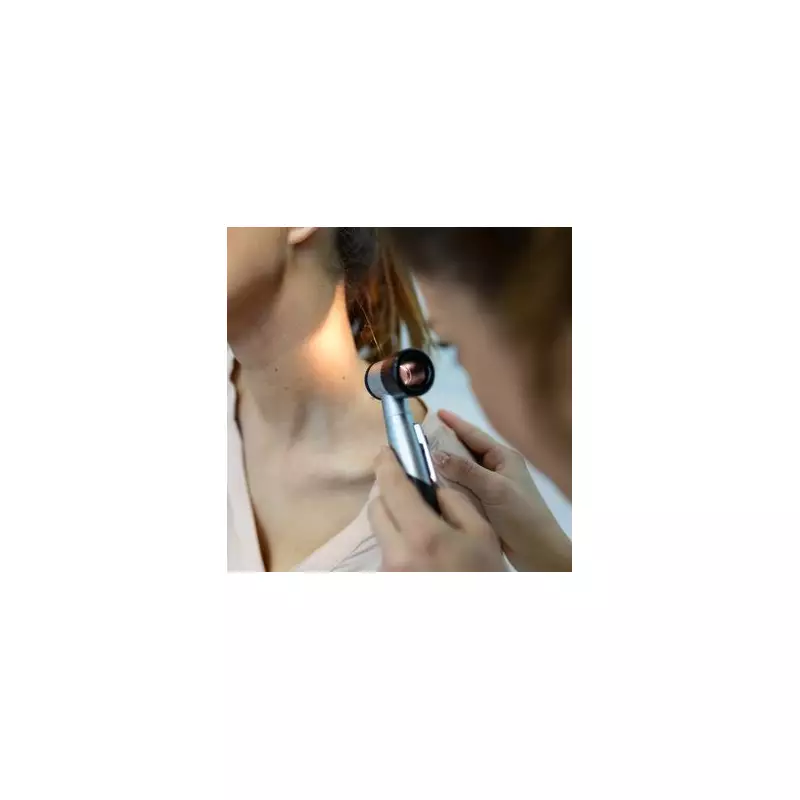
A rarer but more serious form is melanoma, which carries a risk of spreading. The primary symptom is a new mole or a change in an existing one. The NHS recommends using the following checklist and seeking urgent medical advice if you notice:
- Moles with an uneven shape or edges.
- Moles with a mix of colours.
- Moles larger than 6mm in diameter.
- Moles that change size, shape, or colour over time.
- Moles that become swollen, sore, itchy, bleed, or crust over.
You should also consult a doctor for any new or unusual mark on your skin that hasn't gone away after a few weeks, or a dark area under a nail not caused by an injury.
Adrian Chiles's decision to speak out serves as a timely reminder for everyone to regularly check their skin and seek professional advice for any concerning changes. For comprehensive guidance, visit the official NHS website.